Search Results
148 results for “cat nose health signs”

What Are the Common Diseases in Aquatic Turtles?
Common aquatic-turtle diseases—shell rot, colds, digestive illness, parasites, and white-eye disease—usually stem from poor feeding, dirty food, or bad water. Manage water quality and diet, keep the habitat right, and feed clean food to cut risk. Each condition has distinct signs and a targeted treatment, from shell cleaning to warm-water isolation.

How to Prevent and Treat Tumors in Hamsters?
Hamster tumors are common but manageable: diagnosis guides surgery, chemotherapy, or symptomatic care, while prevention rests on a balanced low-sugar diet, regular exercise, healthy weight, a clean home, and routine vet checks. See a vet promptly at any abnormal signs.
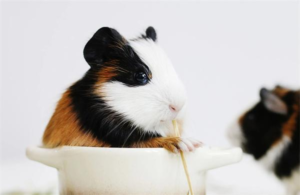
Common Guinea Pig Diseases and Their Symptoms
Guinea pigs commonly suffer digestive troubles (diarrhea, constipation, gut parasites), respiratory infections (pneumonia, bronchitis), skin disease from bacteria, fungus, or external parasites, and urinary issues (cystitis, nephritis). Good diet, clean housing, checkups, and prevention keep them healthy.
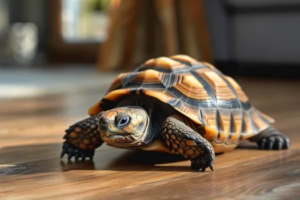
How to Tell If Your Turtle Is Sick
A sick turtle shows clear warning signs: sluggish reactions, sunken limbs, floating for long periods, swollen neck or legs, abnormal droppings, and shell rot. Watch your turtle daily so you can act early and avoid serious illness.

What Germs Do Stray Dogs Commonly Carry?
Stray dogs live in harsh conditions and meet many pathogens, often carrying viruses with no outward signs because they haven't fallen ill. Rabies, leptospirosis, distemper, and parvovirus are common and often fatal, and some are zoonotic, transmissible to people. Rabies spreads through saliva, leptospirosis through contaminated water or soil, distemper through air and contact, and parvovirus through urine, feces, and saliva, especially deadly to puppies. Stray feces can also hold parasites and bacteria like mange mites, demodex, fungi, and echinococcus (hydatid disease). If you rescue a stray, wear gloves and a smock, and get a full vet check, blood, stool, and skin, before bringing it home, while keeping your own pets vaccinated.

Why Is My Hamster Sneezing?
A hamster's sneeze can stem from many causes — dusty bedding, sudden temperature drops, inhaled particles, a cold, or allergies to food, pollen, or dust mites. If sneezing comes with a runny nose, poor appetite, or lethargy, see a vet. Keep the cage warm and low-dust, avoid strong scents, and offer clean water.

Lionhead Rabbit: Appearance and How to Choose One
The Lionhead rabbit is small but round, with a plump body and a distinctive mane of long fur around the neck that forms a V shape like a tiny lion. Picking a healthy individual is the key to successful keeping. Avoid unweaned or very young rabbits, which are fragile and harder to raise; beginners should choose one over two months old. Knowing the breed's looks and common ailments helps you select a vigorous pet and care for it well.

What to Do When Your Rabbit Keeps Sneezing
Rabbits have sensitive noses, so frequent sneezing can signal anything from a mild allergy to a respiratory infection. Common triggers include pollen and dust allergies, poor diet, colds caught in damp or cold environments, and sinusitis. If your rabbit sneezes occasionally with no other signs, it is usually nothing to worry about. But if sneezing is frequent or paired with discharge, coughing, or red eyes, you should improve the living environment, adjust the diet, identify and remove allergens, and seek a veterinarian's advice. This guide walks through the likely causes and the practical steps you can take at home before a clinic visit becomes necessary.

Common Diseases in Hamsters
Hamsters face several common diseases, including tumors, respiratory conditions, digestive problems, skin issues, and dental trouble. Some are easy to prevent, for example by offering chew tools so teeth stay the right length, which lowers the chance of dental disease. To protect your hamster, take preventive measures early, watch its behavior and symptoms closely, and visit a veterinary clinic promptly if anything seems wrong.

What to Check When Buying a Purebred Poodle Puppy
Purebred and mixed poodles can look very similar as puppies, so choosing a healthy, well-bred young dog takes a careful eye. Beyond coat and conformation, the real signals of a good puppy are its skin, eyes, body, family history, and vaccination record. Here is a practical checklist before you bring one home.