Search Results
159 results for “cat labor signs”

CoQ10 for Senior Pets with Early Heart Enlargement: What Owners Should Know
Cardiac enlargement in senior dogs and cats is not a single disease but a compensatory change—thickened heart muscle—that often appears with valve disease or cardiomyopathy. Under the ACVIM system, Stage B (split into B1 and B2) means structural changes are visible on X-ray or exam, yet the pet shows no obvious heart-failure signs, making it the ideal window for early support. CoQ10, a fat-soluble compound naturally made in heart cells, powers mitochondrial energy production and shields tissue from oxidative damage. Because endogenous CoQ10 falls sharply with age, supplementation is one of the most studied, low-cost veterinary adjuncts for cardiac care. This article explains Stage B heart enlargement, why CoQ10 helps, how to choose a transparently labeled pet-specific supplement, and the daily diet, exercise, and recheck habits that protect an aging heart.

Symptoms and Treatment of Tracheal Stenosis in Dogs
Tracheal stenosis is a common respiratory condition in dogs in which the windpipe narrows and makes breathing difficult, sometimes with a wheezing noise and, in severe cases, suffocation. It does not resolve on its own. Diagnosis relies on a physical exam, listening to the chest, X-rays, and tracheoscopy. Mild cases are managed with medication, while severe ones may need surgery such as a stent or tracheoplasty. Nutritional support, breathing therapy, and a calm, low-dust environment all aid recovery.

How Long Does a Hamster Cold Last?
A hamster cold usually lasts about three to five days, but the exact time depends on the individual, how severe the illness is, and the treatment given. Mild cases can recover in one to two days, while severe ones take longer. Signs resemble human colds: sneezing, runny nose, coughing, and reduced appetite, with the hamster becoming quiet and inactive. Keep the animal warm and hydrated and see a veterinarian promptly for proper care.

Common Causes of Coughing in Dogs
Coughing in dogs most often points to a problem in the respiratory system, but it can also come from heart disease, infectious illness, a swallowed object, or even a fracture. Watching the type of cough - wet, dry, weak, or continuous - and noting whether the dog also loses appetite, runs a fever, or has nasal discharge helps you and your vet pin down the cause. A wet cough with phlegm suggests airway disease, a harsh dry cough may be kennel cough, a weak cough can mean pneumonia, and a repeated dry cough may signal heart trouble. Many conditions from roundworms to heart failure, tracheal collapse, pneumonia, and distemper can all show up as coughing, so persistent or severe cases deserve a veterinary check.

What Is Canine Herpesvirus Infection
Canine herpesvirus type 1 causes an acute, often fatal disease in young puppies. Adult dogs usually carry the virus without signs, but newborns can die within a day of infection. Because treatment is poor once signs appear, warmth and supportive care, plus prevention, are what matter most.

Why Is Your Dog’s Gum Pale? Don’t Ignore It—It Could Signal These Illnesses
A healthy dog's gums are pink and refill quickly after a light press. Pale or whitish gums often mean the body isn't getting enough oxygen—usually because of anemia or an underlying chronic disease. The causes range from nutritional and blood-loss anemia to kidney or liver problems and infections. Because pale gums can point to something serious, they deserve a prompt check rather than guessing at home.
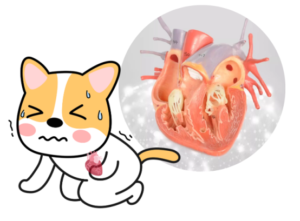
Pet CoQ10 Red/Black List Thinking: Reading the Test Data
About 10% of dogs and 7% of cats develop heart disease in their lifetime, and the early signs are easy to mistake for normal aging or a cold — until diagnosis, when the damage is often irreversible. CoQ10 is frequently advised, but 'which one' is the hard part. This guide separates the real science from the marketing: what CoQ10 actually does, the drug it cannot replace, and the four hard metrics a product should meet.

Is an Occasional Dog Cough a Sign of Heartworm
An occasional cough is not automatically heartworm. Coughing has many causes: respiratory infection, parasites, heart disease, allergies, or excitement, and temporary irritation from smoke, dust, or pollen that eases once the trigger is gone. Heartworm does commonly cause coughing, but also brings labored breathing, weight loss, and odd heartbeat. If those appear with the cough, see a vet promptly for diagnosis and care.

Mud Turtle
The Mud Turtle is not a single species but a group of turtles sharing common traits in body structure or distribution, classified under one family. The family Kinosternidae includes the mud turtles and musk turtles.

Dog Panting After a Few Steps? Don’t Ignore Heart Trouble
A dog that pants heavily or struggles to breathe after only a short walk may be signaling heart disease rather than mere old age or extra weight. Key warning signs include a sudden drop in stamina, labored breathing at rest, blue-tinged gums, nighttime coughing, and lethargy. Early veterinary diagnosis and daily heart-care management can dramatically slow progression and extend your dog's life.