Search Results
159 results for “cat labor signs”
Two days ago there was reddish eye discharge and slight hair loss at the corner of the eye; today there is a red patch on the nose that looks like a nosebleed, and there’s a puffing sound when held with what seems like sneezing
Based on the symptoms described, your hamster may have nasal mucosal damage or a respiratory tract infection. Reddish eye discharge and hair loss at the eye corners may be signs of eye infection or irritation, while the red area on the nose and nosebleed could be caused by nasal mucosal damage from excessive sneezing or other nasal-cavity problems. The puffing sound may be labored breathing from sneezing and nasal congestion due to respiratory irritation.

Parrot Pneumonia: Symptoms and Treatment
Parrot pneumonia often follows untreated colds or arises from dirty, pathogen-heavy environments. Signs include lethargy, loss of appetite, breathing difficulty, and shivering. Treatment focuses on warmth (22-25 C), clean housing, supportive care, and antibiotics such as gentamicin for serious cases.

Parrot Cold: Symptoms and Treatment
Parrots get colds from sudden temperature swings or drafts after bathing, showing lethargy, runny nose, and sneezing. Clean the nostrils, move the bird to warmth, and use bird-safe cold medicine; severe blockage can suffocate, so treat early. Note parrot colds can spread to humans.

Trichomoniasis in Parrots: Symptoms, Diagnosis, and Treatment
Avian trichomoniasis is a parasitic disease from Trichomonas gallinae, common in parrots (and pigeons, ~80% carriers). Signs include yellow cheesy throat lesions, drooling, weight loss, diarrhea, and breathing trouble; severe cases damage organs. Diagnose via mouth-swab microscopy (not fecal), isolate and disinfect, and treat with dimetridazole (50 mg/kg or 0.05% in water for 5–6 days). Prevent by quarantining new birds.
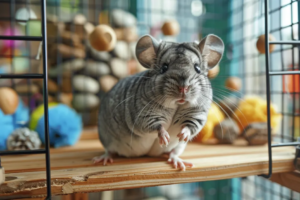
How to Treat Pneumonia in Hamsters?
Treating pneumonia in hamsters depends on catching it early and acting fast: confirm the cause with a vet, then use antibiotics or antifungals as prescribed, and support recovery with nebulization, a clean warm environment, and good nutrition. Because poor housing, dusty bedding, and stress are common triggers, prevention focuses on stable, clean, well-ventilated living conditions.
What to Know When Your Dog Is Pregnant
A common myth is that a pregnant dog needs lots of extra food — but early on, intake shouldn't rise much, or obesity makes delivery harder. Avoid baths in the first 20 days and last 10 days; in between, a quick warm rinse and thorough dry is fine. Keep the nipples clean and dry, and never give any medication (including dewormer) without a vet's sign-off.

What to Do for a Newborn Puppy That Is Fading
A fading newborn puppy is often low on oxygen or weak from poor feeding. Clear the airways of fluid, give rescue breaths with gentle chest pressure, keep it warm, and offer 5% glucose then milk replacer. If it doesn't improve, get to a vet with the puppy lying flat in a box. Feed every two hours and stimulate bowel movements.
Dog Bloated After a Meal? It Could Be Gastric Torsion — Only 4 Hours to Save Them
Acute gastric torsion in dogs, medically called GDV, twists the stomach like a towel so both ends seal shut, causing repeated dry heaves, a swollen belly, and labored breathing. It moves fast — often under 4 hours from onset to life-threatening — so rush to a vet at once. Treatment relieves pressure by tubing the stomach and gives IV fluids to correct shock.
My dog is suddenly coughing up blood and having trouble breathing
Coughing up blood with labored breathing can signal lung disease, heart failure, or a swallowed bone causing internal bleeding. These are emergencies, so seek veterinary chest X-rays and an ECG immediately rather than waiting.

What to Do When Your Hamster Has a Bleeding Nose
A hamster's nose can bleed for several reasons, including respiratory infections, inflammation, injury, dry air, or a vitamin deficiency. Light bleeding from a minor scrape often stops on its own, but heavy or repeated bleeding, especially with sneezing, discharge, or labored breathing, warrants a vet visit. Keep the enclosure warm and humid enough and avoid rough handling while the hamster recovers.