Search Results
141 results for “cat kidney stone”
How often is normal for a Golden Retriever to urinate?
Urination frequency relates to water intake; a dog generally urinates 5-6 times a day, every 2-4 hours. Younger dogs urinate more. Pale yellow urine with a faint odor means normal elimination. Abnormal frequency or odor may indicate urinary or endocrine disease.
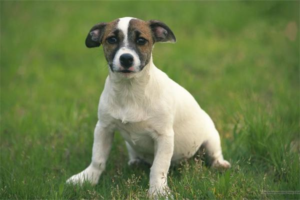
What Is a Dog Urinary Tract Infection?
Dog urinary tract infections are usually caused by bacteria, urine retention, or low immunity, with signs like difficult, frequent, or urgent urination, sometimes blood or incontinence. Diagnosis is by urinalysis; treatment is antibiotics plus plenty of water. Keep the genital area clean and avoid prolonged holding of urine.
What medicine should I give a kitten that drips urine while walking?
What medicine to give depends on the cause, so since symptoms are unclear, get a urinary and kidney check at a hospital. Dripping urine usually points to urinary disease: stones, crystals, cystitis, or infection. Most cases are partial blockage showing frequent, dribbling urine; early treatment avoids full blockage, which can burst the bladder and risk life. For infection, oral veterinary amoxicillin powder plus a diuretic at home helps; keep water up. A frightened kitten may drip from stress incontinence and needs only observation, no medicine.

Can Dogs Get Gout?
Dogs can get gout — a metabolic disease where excess uric acid forms crystals in the joints and soft tissue, causing swelling, lameness, pain, and sometimes tophi or urinary stones. It's more likely in seniors, dogs with kidney disease, or those on high-purine diets; treatment combines uric-acid-lowering and anti-inflammatory drugs, a low-purine diet, water, weight control, and veterinary monitoring.
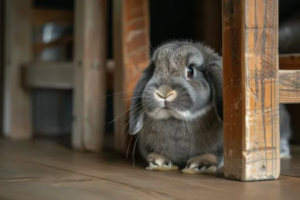
Is Your Rabbit’s Red Urine Always Blood?
Red urine in a rabbit is not always blood. Eating pigmented foods like carrot or beet can tint it light red or orange with normal behavior, and some medicines such as vitamin C or iron can do the same. True bleeding comes from a urinary infection or stones, giving a dark red or brown color along with straining, frequent urination, or low output, which needs a veterinarian. Prevent problems with a balanced diet, plenty of water, a clean cage, and regular checks of the urine.
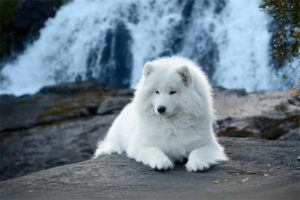
Why Is My Dog in Pain When Urinating?
When a dog shows pain while urinating, the cause is usually a problem in the urinary tract, such as a urinary infection, bladder stones or crystals, or a blockage. Along with painful urination, you may notice frequent or urgent attempts to urinate, straining, reduced output, blood in the urine, cloudy or pus-like urine, or a complete inability to pass urine. Because these conditions can quickly become serious, any sign of painful urination means your dog should be seen by a veterinarian promptly. Diagnosis may involve urinalysis, X-rays, ultrasound, or other tests, and treatment is chosen according to severity, ranging from relieving a blockage and catheterization to medication or surgery.

What Is Canine Salmonellosis
Canine salmonellosis is a group of infections caused by bacteria of the Salmonella genus, which can affect both dogs and people. Dogs pick it up from sick animals, contaminated food and water, or even healthy-looking carrier dogs, and the illness ranges from silent carriage to severe, life-threatening septicemia in young puppies. Signs include fever, vomiting, watery or bloody diarrhea, and rapid dehydration. Diagnosis relies on culture and identification of the bacteria from stool or organs, and treatment pairs antibacterial drugs with fluid and symptom support. Careful food handling and a clean environment are the cornerstones of prevention.

The Dangers of a Dog Holding Its Urine
Many owners know holding urine is harmful but aren't sure what counts as 'holding it.' Veterinary medicine offers two views: one links urination frequency to breed, sex, size, and health; the other says it depends entirely on the individual—diet, activity, water, and age. Either way, puppies urinate more than adults. Cesar Millan notes a healthy dog makes 10–20 ml of urine per kg of body weight daily and an adult needs to urinate at least 3–5 times outdoors daily; puppies need more. Trained dogs learn to hold, but don't assume that's fine—frequent holders are more prone to UTIs and urinary disease. Long holding lets stored urine contact the tract, causing infection and even stones; one study links a urinary carcinogen contacting tract cells for long periods to higher risk of some urinary cancers. No proven upper limit, but experts advise not exceeding 8 hours. Resulting diseases include UTIs (common in females), bladder stones (can block the urethra—emergency), aggressive bladder cancer, kidney failure, incontinence (spayed females), and prostate disease (males; blood in urine).

Geometric tortoise
The Geometric Tortoise (Psammobates geometricus) is a rare, strikingly patterned South African tortoise protected as endangered. Extremely sensitive to humidity and a challenge to keep alive in captivity, it is best appreciated in the wild or by experts.

Diseases with Symptoms Similar to Feline Liver Failure
Liver failure is an abnormality that occurs when the liver is affected by impaired blood flow, reduced oxygen supply, hepatotoxic drugs or chemicals, excess heat, or infectious agents. Liver failure can occur in dogs and cats of all ages and breeds. It may affect multiple organ systems, including the liver and gallbladder, nervous system, gastrointestinal tract, and blood system. Affected pets may show various symptoms, including anorexia, lethargy, depression, vomiting, diarrhea, seizures, abdominal fluid accumulation, bleeding, and jaundice (yellowing of the skin).