Search Results
141 results for “cat kidney stone”

How to Treat Kidney Stones in Cats
Cats do not drink much, so they are prone to kidney disease, especially kidney stones. Here is how to treat feline kidney stones.
Why does a cat get kidney stones?
Causes: unreasonable diet, old age, insufficient water, genetic defects. Cat food too high in protein/magnesium/calcium raises urine ion concentration, easier stones. Older cats move/urinate less—a key cause. Some cats have inherited metabolic defects, higher kidney-disease risk.

What to Do About Kidney Stones in Cats and Dogs
Kidney stones form inside the kidney, common in older cats and dogs and often found during checkups. A stone can drift into the very narrow ureter and block it, trapping urine in the kidney, causing hydronephrosis or nephritis and rapid decline; it can also strain the kidney's internal structures and lead to failure. Surgery exists but usually does more harm than good. The good news: struvite stones can often be dissolved with diet or medication once the type is identified by a urine test.
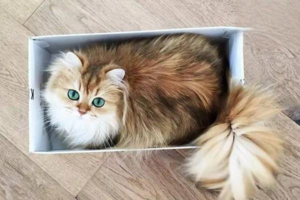
Should You Soak Cat Kibble or Feed It Dry?
Soak kibble for kittens (their guts are delicate) but feed adults dry food to exercise jaw and teeth — better yet, rotate dry and wet. Dry food is only ~10% moisture and risks chronic dehydration, kidney and urinary problems if a cat won't drink, while wet food alone invites dental disease and fussy eating. Kittens can start dry food around three months, in three to four small meals.

Why Cats Are Prone to Kidney Disease
Cats evolved in the desert with a weak thirst drive, so they get most of their water from food — dry diets leave them prone to dehydration and urinary crystals. Acute kidney injury usually comes from poisoning or blockages (lilies, chocolate, xylitol, swallowed objects), while chronic kidney disease shows up as extra drinking and weight loss that owners often mistake for improvement. There's no cure for CKD, but early diagnosis keeps it manageable.

Why Your Cat Keeps Entering the Litter Box
A cat that repeatedly visits the box but produces little or no urine is likely blocked — a medical emergency. Causes range from salty food and a dirty box to stones or tumors obstructing the urethra. Get an ultrasound and X-ray promptly; delayed blockage can cause kidney failure or a ruptured bladder.

Understanding and Preventing Kidney Stones in Senior Pets
Senior dogs and cats are prone to kidney stones, with causes running from meat-heavy, vegetable-poor diets and low water intake to genetics and breed — purebreds are likelier victims. Once formed, stones are hard to cure and quick to return, so prevention leans on more water, a kibble-based diet with less meat and sodium, and more vegetables; only severe cases need surgery, which carries real anesthesia risk in older pets and requires a pre-op blood panel.

How to Tell If Your Cat Is Sick
A sick cat hides its discomfort, so the earliest clues are changes in sleep, litter-box habits, appetite, weight, coat, and water intake. Red flags such as vomiting, diarrhea, labored breathing, a head tilt, or straining to urinate need a vet, and routine checks also catch fleas, hairballs, hyperthyroidism, diabetes, and urinary disease.

Acute Pancreatitis in Cats and Dogs
Acute pancreatitis is self-digestion of the pancreas by its own enzymes, striking dogs far more often than cats and showing as sudden belly pain, shock, and peritonitis. Triggers range from bile-duct blockage and fatty meals to infections and certain drugs; treatment focuses on shutting down pancreatic secretion, controlling infection and pain, and correcting fluids — and the hemorrhagic form carries a guarded prognosis.

How Dangerous Is Urinary Blockage in Male Cats?
Urinary blockage is one of the most common — and most recurring — emergencies in male cats, and if untreated it damages the kidneys and can kill. Watch for frequent, strained, bloody, or absent urination, and prevent it with water, the right diet, low stress, and exercise.