Search Results
1706 results for “cat in pain”
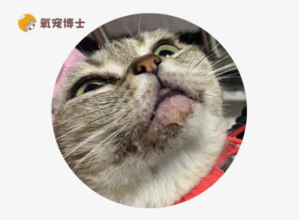
Why Do Cats Get Stomatitis?
Feline stomatitis is a painful, chronic, immune-driven inflammation of the mouth—not just sore gums. Calicivirus and autoimmune disease are the usual triggers, while other viruses, plaque, breed, stress, and poor nutrition add risk. Because it hurts to eat, cats waste away, so finding the cause matters; for stubborn cases, full-mouth extraction often brings lasting relief.

What Happens When a Cat Lacks Vitamin C
Long-term lack of vitamin C gives a cat scurvy: low spirit, poor appetite, anemia, weight loss and easy bleeding or skin inflammation. As it worsens, gums swell and bleed, wounds heal poorly, and in severe cases cheeks and tongue ulcerate or die back, with joint pain and bleeding in the bladder, gut, kidney or nose. Treat with oral or injected vitamin C plus symptomatic care, and prevent it with a balanced, complete diet, since processing destroys much of the vitamin in food.

Is It Normal for Cat Poop to Come in Segments?
Segmented-looking cat poop isn't automatically a problem. If the stool is basically a continuous log with a few cracks and your cat acts normal, it's usually just how the colon forms stool. But hard, stone-like lumps, blood or mucus, straining, or no bowel movement signal early constipation. Boosting water, adding wet food, and daily brushing for hairballs are the first steps; see a vet if it doesn't improve.
My cat’s urine is very yellow and concentrated — what should I do?
Yellow, concentrated urine in cats is most often caused by not drinking enough water, but it can also signal urinary tract disease such as urethritis or cystitis, or dehydration from vomiting and diarrhea. If you also notice frequent urination, straining, blood in the urine, or gastrointestinal symptoms, take your cat to a veterinarian promptly.
Which human medications can kill a dog quickly?
Several human medications are toxic enough to kill a dog at sufficient dose. Acetaminophen cold medicines can cause liver necrosis, vomiting, rapid breathing, and abdominal pain, fatal if untreated; caffeine- and pseudoephedrine-containing drugs can trigger racing heart and seizures. NSAIDs (ibuprofen, aspirin), benzodiazepine sleep aids, and strychnine-containing herbal medicines can also cause sudden death.
Why won’t my cat put weight on its front left paw?
The most common cause of a cat refusing to bear weight on a front paw is a fracture, followed by ligament or soft-tissue injuries from awkward movement. Have an X-ray taken of the limb first; a fracture usually needs internal fixation plus rehab, while soft-tissue damage calls for cage rest, limited activity, and oral anti-inflammatory pain relief.

Eastern Painted Turtle
One of four painted-turtle subspecies - smaller, plainer and a bit harder to keep than the western form, but a classic, hardy North American pet with a red-edged shell.

Multiple Myeloma in Dogs and Cats
Multiple myeloma is a malignant plasma-cell tumor of the bone marrow that overproduces immunoglobulin and is rare in dogs and cats. Signs include lameness, bone pain, anemia, bleeding, and weakness, with diagnosis by X-rays, bloodwork, and marrow sampling. Treatment is chemotherapy plus infection control.

Osteosarcomas in Dogs and Cats
Osteosarcoma is a malignant bone tumor from abnormal osteoblasts, most common in large and giant dog breeds. The main sign is lameness, with swelling, pain, and possible pathological fracture. Early limb amputation plus anti-cancer medication is standard, but the outlook is poor.

Squamous Cell Carcinoma in Dogs and Cats
Squamous cell carcinoma is a skin tumor of the epidermal layer linked to long-term sun exposure and other skin irritation. It is the second most common skin tumor in cats and favors the head, ears, lips, and nose. Wide surgical removal is the main treatment, though it often recurs.