Search Results
1706 results for “cat in pain”

Why Cats Get the “Poop Zoomies”
That burst of speed and chaos right after a cat uses the litter box has a name: the "poop zoomies." It is just a behavior, not a disease, and is common in cats but not dogs. No treatment is needed — though if it knocks things over, move the box somewhere safer. Watch for look-alike conditions: hyperthyroidism in older cats (hyperactive at other times too, eating more but losing weight) or pain on elimination from cystitis or blocked urethra. The zoomies likely trace to a wild instinct — the litter box is the most vulnerable moment, so run fast afterward.

8 Plants You Must Never Keep With a Cat
Cats are endlessly curious and will sneak a taste of houseplants, but many common flowers are toxic—ranging from vomiting and drooling to liver failure and death. This list covers eight dangerous plants, their toxic agents, and symptoms: hyacinth, carnation, tulip, chrysanthemum, hydrangea, lily (extremely poisonous), pothos/umbrella tree, and lucky bamboo. If your cat eats one, bring the plant to the vet for correct identification, and keep toxic plants well out of reach.
Cat Acne (Black Chin): Causes, Prevention, and Treatment
If your cat suddenly hates having its chin touched and you notice coal-like black specks there, it may have cat acne—a folliculitis similar to human acne. It shows up on the chin and tail, and severe cases bring redness, swelling, hair loss, and pain. This guide covers the main causes (too much dietary fat, hormones during heat, poor cleaning, and oily skin type) and practical treatment: saline or green-tea cleansing for mild cases, antibiotic ointment for worse ones, and pet antibacterial washes.

What Is Stomatitis in Cats and What Are the Symptoms?
Feline stomatitis is inflammation of a cat's mouth, caused by various local irritants or systemic diseases, and may be localized or widespread, primary or secondary to another condition. It's an umbrella term covering glossitis, gingivitis, and mucosal inflammation. Signs include poor appetite, drooling, painful chewing, red swollen gums, and bad breath; severe cases show blisters and ulcers. The cause is unclear but likely immune-mediated. Treatment is either medical (chlorhexidine rinses plus antibiotics and corticosteroids under veterinary supervision) or, for stubborn cases, extraction of the premolars and molars — sometimes a full-mouth extraction.

Why Cats Love the Fire in Winter (and How to Keep Them Safe)
Cats seek warmth because their normal temperature runs higher than ours and, with fewer heat-sensing neurons, they feel cold more and heat less, so they bask and curl by heaters. But fur has few pain receptors, so a cat can singe its coat without noticing. Keep heaters behind a guard and never leave a cat alone with one; choose well-insulated, heated, or warm-material beds and turn off devices when unsupervised.

Cat Vomiting After Every Meal: What to Do
When a cat throws up everything it eats, the cause may be a gut blockage from a swallowed object or hairballs, organ disease in adults, or acute gastroenteritis from bad food, parasites, or infection. Get a vet check first, bloodwork, fecal, and imaging pinpoint the cause. If a clinic isn't possible immediately, fast 4-6 hours, then a vet-prescribed gut antibiotic and anti-emetic can ease pain and protect the gut lining; hairball paste and probiotics help if it's just hairballs or a partial blockage. Untreated, frequent vomiting leads to dehydration and worse.

What to Do When Your Cat’s Eye Is Swollen
A swollen cat eye usually comes from a play-related bump or scratch, a stray foreign object, an insect bite or sting, or inflammation such as conjunctivitis. Gentle cleaning with saline and a cat-specific eye drop often helps mild cases, while a suspected bee sting (with a venom-bearing stinger) or viral conjunctivitis from cat flu needs veterinary care. Keeping your cat's paws clean also prevents further infection.

Common Plants That Are Toxic to Cats
If you share your home with a cat, it is safest to skip houseplants, because most are toxic to cats. This guide lists common dangerous plants: lilies (every part is dangerous), lily-of-the-valley (roots are deadly), ivy (leaves and stems irritate the mouth and kidneys), azalea (gastrointestinal and pneumonia risk), daffodils (the whole plant is toxic and can cause convulsions), and poinsettia (burns the mouth and eyes). If your cat eats any toxic plant, get it to a vet immediately. Keep plants out of reach, separate them from your cat, and watch for chew marks.
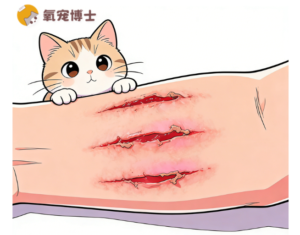
Cat Scratch Disease: A Zoonosis You Should Know
Cat scratch disease is a bacterial infection from Bartonella henselae, passed mainly by a cat's scratch or bite. Cats carry it without symptoms, but people can develop a red bump, swollen lymph nodes, and fever. Most cases are mild and self-limiting, yet antibiotics help when symptoms are strong. Wash any scratch well, and see a doctor if signs appear—especially for children and the immunocompromised.

Why Won’t My Cat Use the Litter Box?
A cat that suddenly stops using the litter box is sending a signal, not being spiteful. The cause is usually the box itself—dirty, cramped, noisy, the wrong litter, or too few boxes in a multi-cat home—or a health issue like constipation, diarrhea, or joint pain. Stress from changes at home is the third big driver. Fix the box and environment first; see a vet if pain or abnormal stool is involved.