Search Results
1706 results for “cat in pain”
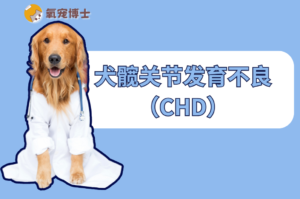
Canine Hip Dysplasia: A ‘Destiny’ for Large Breeds?
Hip dysplasia is a hereditary joint fault where the ball and socket fit poorly, loosening the joint and eventually causing arthritis. Large breeds like Golden, Lab, and Shepherd are most at risk. Early signs are subtle—occasional hind-limb limping, slow rising, reluctance on stairs—while advanced cases show a swaying gait and muscle loss. X-rays and PennHIP confirm it; weight control, gentle exercise, joint supplements, and vet-guided pain care slow its course.
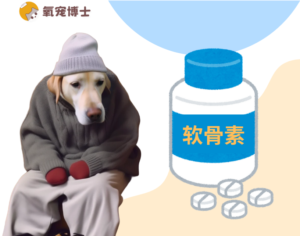
What Is Chondroitin for Dogs, and Who Needs It?
Chondroitin, or chondroitin sulfate, is a natural compound in cartilage that feeds joint cells, locks in joint fluid, and calms inflammation. Healthy young dogs get enough from food, but seniors, large breeds, dogs with joint-prone genetics, the obese, and hard-working dogs benefit from supplements—ideally paired with glucosamine and omega-3. It supports, not replaces, veterinary care for real joint pain.
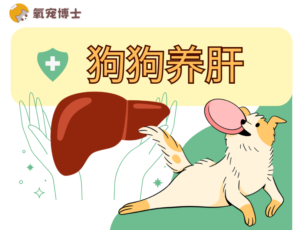
Foods That Support Your Dog’s Liver
The liver filters toxins, stores nutrients, and makes bile, yet it stays silent until heavily damaged—so daily support matters. Quality protein, cruciferous vegetables, and berries aid detoxification, while milk thistle, dandelion root, and omega-3s protect cells. Just as vital is what to skip: fatty foods, toxic items like chocolate, onion, and grapes, and human medicines that strain or poison the liver. Keep water flowing and weight healthy.
Why Is Your Calm Dog Suddenly Barking So Much?
A dog that suddenly won't stop barking is communicating something. The cause may be physical pain, psychological stress like separation anxiety, or unmet needs for food, attention, or exercise. Rule out illness first—limping, vomiting, or appetite loss mean a vet visit—then ease anxiety with gradual alone-time training, a quiet safe corner, and reward-based calm. Patience beats punishment, which only makes it worse.

Thinking of a Golden Retriever? Know This First
The Golden Retriever is smart, gentle, and friendly, and with training can work as a guide or search dog. But it sheds heavily, drools, has a strong odor, eats a lot, and needs at least 1–2 hours of exercise daily or it turns anxious and destructive. It's also prone to hip dysplasia, obesity, ear infections, and eye disease. Know the real commitment before you bring one home.

Should You Microchip Your Dog?
Microchipping a dog is well worth it. A lost dog can be scanned to reveal its owner's contact and address, greatly raising the chance of a safe return, and in some areas a chip is required for the pet license. The chip is rice-sized, injected quickly under the skin of the neck with no anaesthesia, causes only a brief pinch, and stays put far more reliably than a collar tag. It also stores vaccine and health records, helping both reunion and city-wide pet management.

Why Does Dog Poop Start Dry Then Turn Loose?
When a dog's stool is dry at the start and loose at the end, it means the gut absorbed water unevenly: the first part sat long and dried out, while the last part moved through too fast to dry. Common, mild causes are diet change, holding stool too long, stress, or gut-flora imbalance. Persistent cases or those with blood, vomiting, or pain can signal megacolon, colitis, or other illness and need a vet.

How Is Dog Intestinal Obstruction Treated?
Intestinal obstruction splits into complete and partial forms; complete blockage is more dangerous, risking gut death, perforation, and shock, while partial cases start mild but can become complete if ignored, so treat early either way. Diagnosis uses abdominal X-ray or ultrasound to see gas, fluid, and the object. Treatment usually means surgery to remove the blockage, with partial or stable cases sometimes starting on fluids and support first; tumors or severe damage may require removing part of the bowel. Most dogs recover with prompt care, but delay can be fatal.

Why Do Dogs Get Intestinal Obstruction?
The most common cause of dog intestinal obstruction is swallowing a foreign object the gut cannot pass, with constipation from dry, hard stool as another frequent trigger. Lack of trace elements can cause pica that leads to eating odd things, and fast or large meals also play a role. Signs are frequent vomiting, early diarrhea that stops once the bowel empties, bad breath from gut fermentation, and abdominal pain with the dog biting or staring at its belly. Ultrasound or X-ray shows the blockage, though string may need a barium study. Treat early to avoid worse damage.

Enrofloxacin for Pets: What It Treats and Key Safety Notes
Enrofloxacin is a third-generation fluoroquinolone antibiotic made for animals. It works by blocking a bacterial enzyme needed for DNA replication, and it is commonly used for urinary, reproductive, digestive, and skin or soft-tissue infections in dogs and cats. It is prescription-only: typical oral dosing is 5–10 mg/kg per day, and several groups should never receive it. Always follow your veterinarian's plan.