Search Results
1706 results for “cat in pain”

The Dangers of a Dog Holding Its Urine
Many owners know holding urine is harmful but aren't sure what counts as 'holding it.' Veterinary medicine offers two views: one links urination frequency to breed, sex, size, and health; the other says it depends entirely on the individual—diet, activity, water, and age. Either way, puppies urinate more than adults. Cesar Millan notes a healthy dog makes 10–20 ml of urine per kg of body weight daily and an adult needs to urinate at least 3–5 times outdoors daily; puppies need more. Trained dogs learn to hold, but don't assume that's fine—frequent holders are more prone to UTIs and urinary disease. Long holding lets stored urine contact the tract, causing infection and even stones; one study links a urinary carcinogen contacting tract cells for long periods to higher risk of some urinary cancers. No proven upper limit, but experts advise not exceeding 8 hours. Resulting diseases include UTIs (common in females), bladder stones (can block the urethra—emergency), aggressive bladder cancer, kidney failure, incontinence (spayed females), and prostate disease (males; blood in urine).
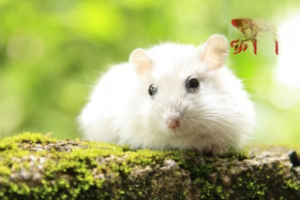
Why Is My Golden Hamster Squeaking Constantly?
Golden hamsters are normally quiet creatures that sleep by day and run on their wheel by night, so constant squeaking is a signal worth reading. It can be completely harmless—a dream, a startle, or a sulk—or it can mean real distress from illness, injury, or a perceived predator nearby. Because the tone differs between a content chirp and a pained wail, owners should learn to tell them apart. This guide covers the five common reasons a hamster cries out and when a vet visit is the right call.

A Complete Guide to Pet Spay and Neuter Surgery
Spaying or neutering is one of the most responsible decisions a pet owner can make. For dogs and cats, the ideal window is around 6 to 8 months of age, ideally before the first heat cycle, which lowers the risk of reproductive diseases and unwanted behaviors. The procedure should only be performed on a healthy animal that is fully vaccinated, has adequate antibody levels, and is regularly dewormed. Once you choose a trusted veterinary clinic, you can book the surgery and share your pet's age, vaccination, and deworming history. The clinic will explain pre-operative fasting rules. This guide walks you through the timing, preparation, and the step-by-step process on the day of the operation so you know exactly what to expect.

Why Pets Drool: Stomatitis and Periodontal Disease
Persistent drooling often points to mouth inflammation. Stomatitis can be contagious (virus-linked) and, in cats, often lifelong — a red line forms where gum meets tooth, with constant drooling. As it worsens, ulcers grow, the cat may stop eating and lose weight. Periodontitis, driven by bacteria and tartar, also causes drooling, bad breath, and tooth loss. Diagnosis needs an oral exam (often under anesthesia) and dental X-rays; treatment ranges from antibacterial rinses to antibiotics and, in severe tartar cases, extraction.

Why Has My Dog Lost Its Voice or Gone Hoarse?
Most dogs have a loud, clear bark, so when the voice suddenly fades or turns hoarse it catches an owner's attention. The cause is usually one of four things: strained vocal cords from nonstop barking, anxiety in a new home, an illness such as throat or respiratory infection, or a fright that tenses the throat muscles. While a hoarse voice is often minor and passes on its own, it can also point to pain or infection that needs a vet. This guide covers each cause and the matching response.
What to Do When Your Dog Has an Upset Stomach, Vomiting and Diarrhea?
Dogs eat first and think later, so an upset stomach with vomiting and diarrhea is a frequent complaint. The right first step depends on what went in: a suspected toxin is an emergency, while a mildly irritating food can often be managed at home with fasting, fluids, and gut support. This guide explains when to head straight to the clinic, the step-by-step home care that eases symptoms, and the underlying causes—spoiled food, diet changes, or infection—that every owner should rule out, especially in unvaccinated dogs.

What Vaccines Does My Dog Need?
Preventing disease beats treating it, and vaccination is the best way to protect a dog from infection, pain, and death. Core shots are the rabies vaccine and a combination vaccine — the "two-way" covers distemper and parvovirus, while four-, six-, and eight-way versions add hepatitis, parainfluenza, adenovirus, leptospirosis, and coronavirus. Most dogs start with the four-way. The usual schedule begins at 45 days of age, with a shot every 21 days for three doses, rabies at three months, then an annual booster. Some dogs should not be vaccinated — see your vet.

What to Do If a Guinea Pig Bites You
If a guinea pig bites you, wash the wound thoroughly with warm water and soap to remove saliva and bacteria, gently squeeze out a little contaminated blood if it bleeds, then press with a bandage to stop bleeding and disinfect with iodine or alcohol. Seek medical care for deep or facial wounds. To prevent future bites, learn the trigger—defense, pain, fear, stress, or lack of socialization—and address it with gradual handling, a stimulating environment, and respect for the animal's individual boundaries.

What Causes Glaucoma in Dogs?
Canine glaucoma comes in primary and secondary forms. Primary glaucoma is a hereditary drainage-angle defect that blocks fluid outflow and raises eye pressure; it is common in Huskies, Chow Chows, Poodles, Cocker Spaniels, Beagles, and Maltese, usually appearing at 4–9 years. Secondary glaucoma follows eye disease such as uveitis, pupil blockage, lens luxation, or tumors. Treatment aims to lower pressure and save vision—medication works best early, but surgery is often needed later. Because early signs are subtle, at-risk breeds should have annual eye-pressure checks.
Treating a Dog’s Vomiting from a Cold
When a dog vomits due to a cold or viral infection, treatment focuses on relieving fever, fighting secondary infection, and good nursing. Fever above 39°C can be eased with a mild injectable analgesic-antipyretic such as Bupleurum injection, dosed by size. Secondary bacterial infection is treated with penicillin or other antibiotics like cephalosporins or fluoroquinolones, preferably by injection. Keep the sick dog warm and well-nourished.