Search Results
1706 results for “cat in pain”

Why a Dog That Stops Moving in Winter May Have Arthritis
As the deep cold of winter sets in, some owners notice their dog no longer wants to go out or play, blaming the weather, but the real cause may be osteoarthritis. OA affects 30 to 50 percent of dogs and cats and is not only age-related; even young dogs can develop it, with breed, age, sex, weight, and genetics all playing a role. It is a whole-joint disease where cartilage breakdown outpaces repair. Signs include less activity, stiffness after rest, painful swollen joints, and irritability. Management combines weight control, sensible exercise, NSAIDs for pain, and therapy with joint supplements.
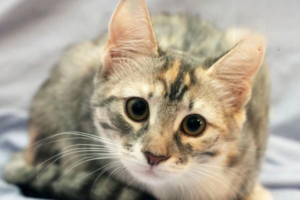
The Unusual Nature of Feline Stomatitis
Feline stomatitis is more puzzling than a simple mouth infection. A survey of eighty-three clinics found it peaks in adult cats, especially ages one to three, and in purebreds and short-haired domestics. The cause is unclear but points to infection or immunity, likely feline calicivirus. Most cases improve after extraction, yet a real need remains for safer, more complete treatments that ease pain, inflammation, and healing at once.

What Every Dog Owner Should Know About Pancreatitis
Canine pancreatitis happens when digestive enzymes activate too early and the pancreas essentially digests itself, causing severe inflammation. Rich human food, obesity, toxins, and certain breeds raise the risk, and moderate-to-severe cases can be fatal. This guide covers causes, the telling 'praying' posture, diagnosis with pancreatic tests, treatment, and diet-based prevention.

Diet Tips for Caring for a Scottish Fold
The Scottish Fold wins fans with its uniquely curled ears, but those same ears demand gentle handling and the breed has its own feeding needs. Beyond the signature look, these cats are fastidious and benefit from a thoughtful diet. From liver for vitamin A to controlled high-fat food during shedding and plain boiled fish broth, here is what to know about feeding a Scottish Fold well.
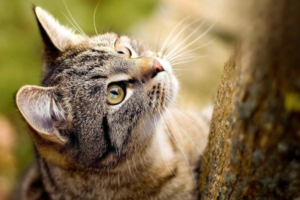
Diagnosing and Treating Feline Idiopathic Cystitis (FIC)
Feline idiopathic cystitis, or FIC, is a common lower-urinary-tract disease in cats whose exact cause is still unknown, yet it is the single most frequent diagnosis in young cats, affecting roughly 50 to 60 percent of cases. It is linked to a defective bladder lining, nerve-driven inflammation, and stress. Because there is no single definitive test, veterinarians diagnose it by exclusion, using the history, urinalysis, blood chemistry, and ultrasound. Most episodes ease on their own within five to seven days, but treatment focuses on pain relief, protecting the bladder lining, litter-box management, more water, prescription food, and reducing stress.
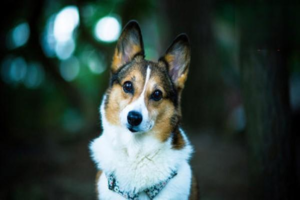
How to Tell If Your Dog Has an Eye Problem
Eye trouble shows as constant cloudy tears, hardened gunk, rubbing or bumping the eye, swollen or red lids, bulging (glaucoma), white clouding (cataracts), or entropion/ectropion. Clean with pet eye drops and wipes daily; correct lids and cornea with vet care. Flat-faced and loose-skinned breeds need extra caution.
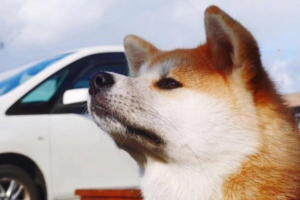
Your Dog’s Urinary Tract Troubles
Lifting a leg to mark is normal, but uncontrolled dribbling or frequent tiny urinations may mean urinary stones or infection. Watch for pain, abnormal or discolored urine, incontinence, and odor. Care includes vet urine tests, more water, more walks, diet changes for stones, and never self-medicating.

Common Bone and Joint Diseases in Dogs
Poor care often deforms a dog's legs. Know the risks: hip and elbow dysplasia in retrievers and shepherds, osteochondrosis in large fast growers, femoral head issues in small breeds, and degenerative joint disease eased by weight control, gentle exercise, and glucosamine. Home setup matters too, slippery floors and stairs cause lasting damage.

Common Oral Diseases in Dogs
Many owners struggle with their dog's bad breath and the distress of dental pain. This article shares the common oral diseases behind that odor and how to prevent and treat them. From tartar and gingivitis to periodontal disease, cavities, broken teeth, and malocclusion, understanding the causes is the first step to a healthier mouth.

8 Common Health Issues in Senior Dogs
Aging brings: (1) hearing/vision loss—train hand signals, leash outdoors, pad the home; (2) arthritis (osteoarthritis) in weight-bearing joints causing pain on walks/stairs—vet care; (3) kidney disease, often chronic, with thirst, more urine, nausea, lethargy—manage, not cure; (4) incontinence from organ/muscle/nerve decline—vet check, more walks; (5) obesity raising arthritis/heart/diabetes risk—cut food, keep gentle exercise (walks, swim); (6) dementia (disorientation, anxiety, poor sleep)—meds for quality; (7) lumps/tumors, mostly benign—let the vet judge; (8) cancer, common and varied—regular checkups catch it early. Older dogs need closer diet and exercise management, and more patience.