Search Results
23 results for “cat heatstroke”
What Are the Benefits of Sunbathing for Dogs?
Letting a dog bask in the sun in moderation is a simple way to boost its health and happiness. Sunlight helps the body make vitamin D, which drives calcium absorption and strong bones. It also acts like a natural antidepressant—easing stress, anxiety, and low mood while improving circulation and brain function. UV rays stimulate immune cells so the dog resists infections better, and mild exposure can calm skin inflammation, speed wound healing, and keep the coat shiny by reducing surface bacteria and parasites. The catch is moderation: too much sun, especially at midday, risks dehydration, heatstroke, and even skin cancer. Always offer shade and fresh water, and keep sessions short.
Common Dog Diseases and Their Symptoms
A sick dog shows changes in behavior and body that veterinarians call symptoms. Owners who notice these early can get the right help faster. Fever is one of the clearest signals: a dog's normal temperature is 38.3-39C, and anything above 39C means the dog is running a temperature. Here are the common causes behind sudden high fever and lingering low fever.
Are Hamsters Sensitive to Heat? Signs and Cooling Tips
Hamsters do mind the heat, and in a hot summer they can overheat and suffer heatstroke, showing signs like lying still, dull eyes, and rapid breathing. Owners need to plan cooling before the temperature spikes. The good news is that simple housing tweaks—shade, the right bedding, a water basin, and stable temperatures—go a long way. This guide covers how a heat-stressed hamster behaves and the practical steps to keep it safe through the summer.
Rabbit Lying Down with Weak Limbs — What to Do
Seeing a rabbit flat on the ground with weak legs can look like the end, but the cause is often treatable. The three usual suspects are heatstroke from a hot, stuffy room, low blood sugar from poor nutrition, and coccidiosis, a parasitic gut infection. Each has a distinct fix, from cooling and glucose to deworming and disinfection. This guide explains how to tell them apart and what to do before a vet visit becomes necessary.
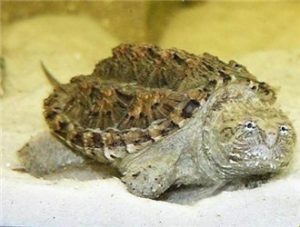
Florida Snapping Turtle
The most heavily-spined of the four Chelydra subspecies - a fierce, heat-loving carnivore from Florida and Georgia. Adults are aggressive; a meat or farm turtle more than a pet.

Syrian Hamster
The Syrian hamster (Mesocricetus auratus), also called the golden hamster or 'pearl bear', is a hamster from Asia and the first species kept as a pet. Docile and easy to breed, it lives 2 to 3 years with good care and comes in over 40 color varieties.

Dutch Rabbit
The Dutch Rabbit is a small, distinctly marked pet rabbit with a white inverted-V on the face and a sharp color split between front and back. Gentle, smart, and nearly odorless, it needs timothy hay, a chew stick, steady 25–32°C, and a wire-free, dry cage. Lifespan about 5–7 years.

LionHead Rabbit
The LionHead Rabbit is a small, gentle pet rabbit named for the ruff of long fur around its head that looks like a lion's mane. Originating in Belgium and bred in the Netherlands and US, it is sturdy and clean, needs daily coat care and a wire-free cage, and lives 5–7 years.

Standard Gray Chinchilla
The Standard Gray Chinchilla — the original 'Totoro' — is a vegetarian rodent from the high Andes of South America. Gentle, clean, nearly odorless and long-lived (8–10 years), it needs a cage, dust baths, constant chewing material, and careful protection from heatstroke.

Florida Red-bellied Cooter
The Florida Red-bellied Cooter (Pseudemys nelsoni) is a brightly marked freshwater turtle from Florida and Georgia, popular with keepers who want a colorful alternative to the Red-eared Slider. Hardy and easy to care for, it thrives under slider-like conditions with good water quality and a basking spot.
- « Previous
- 1
- 2
- 3
- Next »