Search Results
339 results for “cat feces”
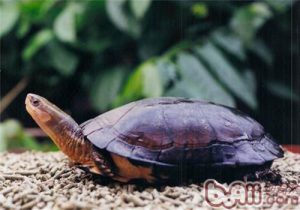
Zhou’s Box Turtle
Zhou's Box Turtle (Cuora zhoui) is a rare and precious turtle in China, found only in Guangxi and Yunnan provinces. Wild populations are nearly depleted, and most knowledge about the species comes from captive husbandry experience.

Canine and Feline Trichomoniasis: Symptoms, Treatment, and Prevention
Trichomoniasis is a protozoal parasite infection of dogs and cats, most often caused by Pentatrichomonas, that produces stubborn, mucoid, sometimes bloody diarrhea. It spreads through contaminated food and water and is managed with antiprotozoal therapy plus supportive care.

Canine and Feline Cryptosporidiosis: Symptoms, Treatment, and Prevention
Cryptosporidiosis is a protozoal (coccidian) infection of dogs and cats that causes acute, watery diarrhea, vomiting, and abdominal discomfort. It is most severe in young, stressed, or immunocompromised animals and is zoonotic, so hygiene is essential.

Canine and Feline Giardiasis: Symptoms, Treatment, and Prevention
Giardiasis is caused by the flagellate Giardia duodenalis attached to the intestinal mucosa, reducing absorption and causing diarrhea and wasting, especially in puppies. It is treated with antiprotozoal drugs and rehydration.

Canine and Feline Amoebiasis: Symptoms, Treatment, and Prevention
Amoebiasis is a zoonotic protozoal disease caused by Entamoeba histolytica inhabiting the large intestine, marked by stubborn diarrhea. Dogs have lower incidence, and it is treated with antiprotozoal drugs and fluid support.

Canine and Feline Ascariasis (Roundworm Infection): Symptoms, Treatment, and Prevention
Ascariasis is a common roundworm infection of dogs and cats caused mainly by Toxocara canis, Toxocara cati, and Toxascaris leonina. Heavy worm burdens in puppies and kittens cause poor growth, diarrhea, and a pot-bellied appearance, and are controlled with broad-spectrum dewormers.

Feline Panleukopenia (Feline Distemper): Symptoms and Treatment
Feline panleukopenia, also called feline distemper or infectious enteritis, is a highly contagious and often fatal viral disease of cats. It causes high fever, vomiting, diarrhea, dehydration, and a dangerous drop in white blood cells, and is especially deadly to kittens.

Canine Coronavirus (CCoV): Symptoms, Treatment, and Prevention
Canine coronavirus is a highly contagious viral infection that causes acute gastroenteritis in dogs. It spreads through contact with contaminated saliva, feces, and food, and typically produces vomiting, diarrhea, and appetite loss. Most dogs recover within 7 to 10 days, but the infection is known to recur.
Why Can Dogs Hold Their Bowel Movements?
Dogs can hold their stool thanks to the anal sphincter at the end of the rectum, a muscle that lets them control the timing of defecation. Holding it too long is unhealthy and may cause intestinal problems.
Can feline distemper (panleukopenia) spread to dogs?
Feline distemper does not spread to dogs. Here is how it transmits and the isolation steps to take.