Search Results
339 results for “cat feces”
My hamster recently urinates and defecates much less, and the feces it passes are grayish-white. What’s the cause?
Normal hamster feces are black or dark brown. Grayish-white but formed stool can be watched; if diarrhea appears, consider wet tail. Less output may be from low water or food, so add water; see a vet if it doesn't ease.

How to Remove Cat Urine and Feces Odor
Pet odors—body smell, waste, and the litter box—are stubborn and cannot be masked by perfume. The fix is to clean and disinfect the source, use a pet-safe enzyme deodorizer rather than chlorine bleach or vinegar, and check whether inappropriate elimination points to illness or stress.

Pseudorabies (Aujeszky’s Disease) in Dogs and Cats
Pseudorabies is a herpesvirus infection that mimics rabies but is defined by intense itching and encephalomyelitis, usually killing dogs within 24 to 36 hours. Dogs catch it mainly by eating infected pig or rat offal or through skin wounds, so control relies on rodent control, no raw pork, and disinfection.

Cat Diarrhea: Causes and What to Do
Cat diarrhea ranges from simple diet-change soft stool in kittens to bacterial or viral enteritis and intestinal parasites. Most mild cases improve with a short fast and gut-support supplements, but enteritis needs prompt fluids and antiparasitic or antiviral care, and persistent unformed stool calls for deworming.

How to Get Your Cat to Drink More Water
Cats evolved to get moisture from prey, so many barely feel thirsty — yet low intake raises the risk of urinary and kidney disease. They prefer fresh, clean, moving water in wide, full bowls, and a fountain or a splash of broth can be the nudge a reluctant drinker needs.
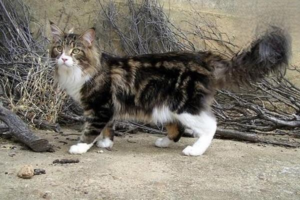
What Causes Abdominal Distension in Cats?
Abdominal distension in cats can signal anything from benign indigestion to serious congenital defects such as anal atresia or polycystic kidney disease. Dietary causes include spoiled ('toxic') milk from an infected queen, while parasites, infections, and simple digestive upset are common culprits. Because bloating ranges from mild to life-threatening, prompt deworming, probiotics, or a veterinary diagnosis is essential.

Pet Vomiting (Part 3): Vomiting from Internal Parasites and Toxicity in Dogs and Cats
Internal parasites living in a dog or cat's gut irritate the intestinal lining and trigger vomiting, sometimes expelling visible worms. Food poisoning causes far more violent vomiting along with seizures and drooling, and demands immediate induced vomiting and gastric lavage. Routine deworming and keeping toxic foods — onions, grapes, chocolate, macadamia nuts — out of reach are the best defenses.

What to Do If Your Dog Catches Parvovirus (Parvo)
Canine parvovirus (CPV) is a highly contagious, often fatal disease of dogs, especially puppies, causing severe vomiting and bloody diarrhea. Treatment is supportive — fluids, antivirals, and symptom control — alongside vet care. The enteric form (most common) is described here, with a home med list including amoxicillin, probiotics, glucose, and an anti-nausea drug.

What to Know About Deworming a Cat Internally
Internal deworming can cause reactions — some cats vomit or have diarrhea after the tablet, usually settling in a day or two. Reactions stem from a sensitive gut or the wrong product; pick a reputable, gentle brand for seniors, weak cats, and first-timers, and only deworm a healthy cat at the correct dose.

Disinfecting Your Home During Cat Rhinotracheitis
In a multi-cat home, one case of rhinotracheitis can spread through shared bowls, bedding, and even owner shoes. The herpesvirus survives about 24 hours and calicivirus up to 28 days, so disinfect with bleach, a potassium-peroxymonosulfate product, or 75% ethanol — after cleaning the surface first.