Search Results
213 results for “cat eye injury”

Common Chinchilla Ear Diseases and Daily Ear Care
Chinchilla ears are delicate and prone to injury (extreme temperatures, fights — look for peeling, blackening, red swollen bites) and infection, especially ear mites (head-shaking, scratching, hair loss, sometimes eye inflammation). Deep wounds may need vet stitches and antibiotics. For care, a mineral-oil cotton ball wipes the ears; seek a vet for heavy buildup. Provide dust sand and check ears regularly.

Pacific Parrotlet
The Pacific Parrotlet (Pacific Parrotlet), also known as the Pocket Parrot, is relatively small among parrots. This parrot has a very good, playful, brave, and confident personality, which is why so many people keep it.

Bluethroat
The Bluethroat (Luscinia svecica), also known as the bluethroated robin, is a small, shy songbird that favors shrubland and reed beds. It darts short distances along the ground and frequently flicks or fans its tail, and its song is especially beautiful.
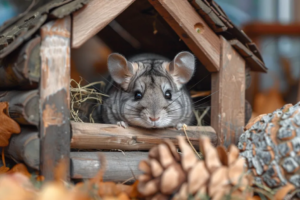
Why Is My Chinchilla Shivering? Common Causes and Fixes
A chinchilla may shiver from stress in a new, noisy home, from cold when the temperature drops too low, or from pain when it is sick or hurt. Calm and warm the environment for the first two; for pain—with signs like not eating, weeping eyes, fever, or reluctance to move—see a vet to find the cause. Most shivering falls into these three categories.
A one-month-old kitten was moved to a cabinet to avoid being stepped on, fell, went limp and motionless as if dying, then revived after I massaged it; one hind leg was dragging but started moving after a few minutes, now just walks a bit awkwardly without limping
Weak hind legs and slow walking after a fall suggest pain or a sprain, but if the cat has dilated eyes, nasal bleeding, poor appetite, or depression, it may have fractures or internal injuries needing X-rays.

Causes and Treatment of Muscle Strain in Dogs
Common causes of muscle strain in dogs include prolonged or excessive exercise, accidental injury, and lack of warm-up. Warming up before activity lowers the risk. To prevent strains, control exercise duration and intensity. If a strain occurs, relieve symptoms and aid recovery with cold compresses, medication, and rest with limited activity.

When Does a Dog Enter Old Age?
Most dogs are considered seniors after about age 7, though the exact timing varies by breed, size, and genetics — large breeds often age around 7–8, small breeds closer to 10. Senior dogs need tailored diet, joint care, dental attention, gentle exercise, and regular checkups.

What to Do When Your Dog Has Uveitis
Uveitis is inflammation of the middle layer of the eye, rich in vessels that guard the blood-aqueous barrier, so when it flares the eye leaks protein and cells and can threaten sight. Causes range from injury to immune disease, infection, or tumors, and some cases are idiopathic. This guide explains the signs, diagnosis, and why prompt specialist care matters.

How Long Can a Dog Survive Heartworm
How long a heartworm-infected dog lives depends on infection site and severity, the dog's age and health, and how effective treatment is. Mild cases often recover with medication, while moderate to severe ones may need risky surgery. With proper treatment a dog can live for years; without it, death may come in weeks to months. Seek a vet promptly for diagnosis and care.
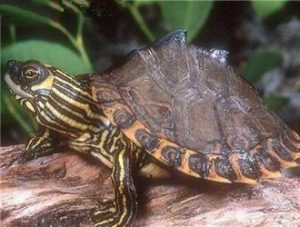
Northern Black-humped Map Turtle
The Northern Black-humped Map Turtle (Graptemys nigrinoda nigrinoda) is a relatively common map turtle seen in markets worldwide. Affordable, easy to keep, and odd-looking, it is popular — the black hump-like knobs on the front vertebral scutes are its unmistakable mark.