Search Results
213 results for “cat eye injury”

Mississippi Map Turtle
The Mississippi Map Turtle (Graptemys kohnii) is the most common and cheapest map turtle. Juveniles resemble red-eared sliders and are often sold alongside them, making it a popular beginner water turtle.

Yellow-bellied Slider
The Yellow-bellied Slider (Trachemys scripta scripta) is a common, hardy and inexpensive North American slider with a yellow belly and yellow 'ear' patches. Easy to keep but a messy, fast-eating carnivore-leaning omnivore.

African Lungfish
The African lungfish is a living fossil of a fish: besides gills, it breathes with a lung-like swim bladder and can bury into mud to aestivate through a six-month dry season. A carnivorous, mostly placid fish that grows up to 1–2 m, it is now threatened as its native African waters shrink.

Brachypelma sabulosum
The Guatemalan Red Rump Tarantula (Brachypelma sabulosum) is a docile, beginner-friendly spider from Guatemala, similar to the Mexican Red Rump but larger. Easy to keep with modest humidity needs, it is an excellent first tarantula.

Gopher Tortoise
The Gopher Tortoise (Gopherus polyphemus) is a burrowing land turtle of the southeastern United States, strictly herbivorous and protected by law due to its small wild population. Famous for digging deep burrows (11–15 m), it needs a dry, sandy outdoor enclosure with plenty of sunny space.
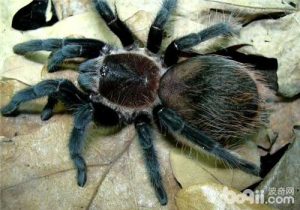
Brachypelma angustum
The Costa Rican redtail (Brachypelma angustum) is native to the rainforests of Costa Rica — also known as the Guatemala redtail spider. In both size and habitat it is very similar to the classic Mexican redleg. Adults reach a leg span of 15–16 cm.

Canine and Feline Nasolacrimal Duct Obstruction (Epiphora)
Nasolacrimal duct obstruction blocks normal tear drainage in dogs and cats, causing chronic epiphora (tear overflow) and facial staining. Congenital duct atresia usually needs surgical correction, while acquired obstruction from conjunctivitis or injury is managed by treating the underlying cause.

Canine and Feline Keratitis: Symptoms, Treatment, and Prevention
Keratitis is inflammation of the cornea in dogs and cats from trauma, microbes, or chemicals, causing pain, cloudiness, and ulcers that can threaten sight. Prompt care protects the cornea and preserves vision.

Canine and Feline Blepharitis: Symptoms, Treatment, and Prevention
Blepharitis is inflammation of the eyelid margin in dogs and cats, usually from bacterial or fungal infection of overactive glands, causing redness, crusting, and often conjunctivitis. It is treated by cleaning the lid and controlling infection.
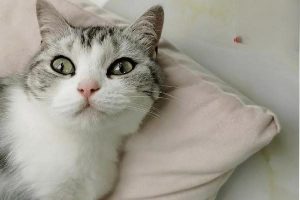
Canine and Feline Ectropion: Symptoms, Treatment, and Prevention
Ectropion is the outward turning of the eyelid—usually the lower lid in dogs—leaving the eye exposed and prone to conjunctivitis and keratitis. Mild cases need eye care; severe cases need surgical correction.