Search Results
3956 results for “cat dog”

Is a Pet Health Check-Up Really Necessary?
Like human screenings, pet check-up prices vary by region, and yes, it's an extra cost—but it's not wasted money. A check-up includes an external exam (eyes, ears, mouth), bloodwork (inflammation, infection, anemia, organ function), radiology (bones and organs), fecal testing (parasites), and urinalysis (urinary tract; in older cats it also shows kidney health). Cats and dogs have limited lifespans and often develop multiple diseases in old age, so early detection changes the outcome. Schedule a first exam at about 30 days old, yearly for seniors, and roughly every two years for healthy adults. Always use a proper veterinary clinic.
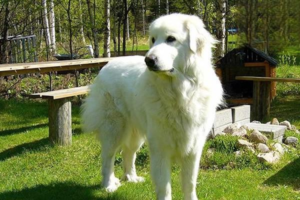
Physiological Traits of Newborn Puppies
Newborn puppies are fragile and depend entirely on their mother. They can't stand at birth, regulate their own temperature, or control elimination, and their digestive and immune systems are still developing — they get early immunity only from the mother's colostrum, which drops sharply after 25 days. Good daily care means a warm, quiet nest, supplemental warming if the mother is absent, scheduled nursing with small frequent milk feeds, and daily checks of elimination. Watch for diarrhea and keep the umbilical area clean and disinfected with iodine to prevent infection.

What Every Pet Owner Should Know About Vaccinations
Vaccines are a core part of protecting your dog or cat. A vaccine is a weakened virus that trains the immune system to fight real infections, guarding against deadly diseases such as distemper, parvovirus, adenovirus, rabies, feline panleukopenia, calicivirus, and rhinotracheitis. Puppies can be vaccinated from 45 days old and kittens from 63 days, after weaning and a short settling-in period. Even with proper vaccines, immunity can fail due to maternal antibodies, immunosuppression, stress, or infection during the incubation window—so follow your vet's timing.

Why Is My Hamster Losing Fur?
Hamsters have less fur than cats or dogs, but they still shed, and hair loss often points to an underlying health issue. Seasonal molting is normal and the coat regrows quickly. Older hamsters naturally thin out and won't recover even with coat supplements. A poor diet, too few vitamins or unbalanced fats, triggers hormonal imbalance and shedding, so feed quality pellets and limit treats. Cramped cages cause stress and friction hair loss, and skin disease or parasites also contribute; treat parasites with a dewormer made for small pets.

What to Do When Your Pet Swallows a Foreign Object
Chewing on household items is natural for cats and dogs, but what starts as play can end with something swallowed by accident. Some objects are merely harmless, while others can damage health or even be life-threatening. If your pet ingests something dangerous, get to a veterinary clinic at once — never try to induce vomiting at home. Knowing which foods and objects are toxic, and calling the vet with clear details, can make all the difference.

Naming Your Tibetan Mastiff: Tips and Ideas
The Tibetan Mastiff is one of the world's most famous and majestic dog breeds, once kept only by Tibetan nobility and monastery owners and often called the 'Oriental Lion Dog.' Because a dog's name, once chosen, usually cannot be changed, picking the right one deserves the same seriousness as naming a child. This guide walks through practical ways to name your Tibetan Mastiff—from easy-to-pronounce sounds to names inspired by notable figures, the breed's heritage, your favorite foods, or a more personal touch—so you and your pup both feel good about the call.
What is a Caucasian Wolfhound like?
The Caucasian Wolfhound is a very large, heavily built, and fierce guardian breed with thick bones and powerful muscles. Intelligent and resilient, it has a high win rate in dog fights, is loyal to its family (and gets along with children), but is extremely wary of strangers and too large for cities, making it a banned breed in urban areas.
What happens when a Teddy (Poodle) can’t find its owner?
When a Poodle can't find its owner at home, it becomes low, anxious, and barky, and over time may urinate or defecate around the house from stress, along with destructiveness, poor appetite, and lethargy. Outdoors, it usually tracks the owner by nearby scents, and a smart dog may wait in place or follow its usual route home.
How good is a Labrador’s sense of smell?
Labradors have an extremely keen sense of smell. Bred as retrieving gun dogs, they locate and fetch game by scent, and today are widely trained as guide dogs, police dogs, and search-and-rescue dogs. They are also intelligent, gentle, and friendly family pets, though their high energy means they need daily walks and play.
My 2-month-old Bichon vomited (or passed) yellow fluid with a little blood after chewing a bone, and now has a worsening cough with phlegm — what should I do?
A puppy's cough is usually caused by a respiratory infection, the distemper virus, or swallowing a foreign object. If your puppy is only coughing but still eating and acting normally, you can give a vet-recommended pet cough remedy at home and monitor for 1–2 days while keeping him warm. If the cough does not improve, have your vet rule out distemper and check for pneumonia or an intestinal foreign body.