Search Results
3956 results for “cat dog”

Canine Ehrlichiosis: What Owners Should Know
Ehrlichiosis is a tick-borne rickettsial disease with acute, subclinical, and chronic stages, and chronic cases can linger for years with vague signs like lethargy, fever, and low platelets that risk bleeding. Because many illnesses look similar, diagnosis leans on bloodwork, urine, imaging, and antibody or PCR tests. This guide walks through the stages and workup.

Emergency Steps When a Pet Eats Something Harmful
Curious pets swallow the strangest things, from needles and socks to toxic plants and people food, and quick action saves lives. For cats, guard thread, needles, and poisonous plants; for dogs, secure small objects and leash up on walks. This guide covers what was eaten and the right first move before rushing to the clinic.

Why Pets Gain Weight After Spaying or Neutering
An intact cat's base metabolic rate is about 30 percent higher than a neutered cat's, so the same food leads to faster weight gain after the procedure. Obesity raises the risk of heart disease, diabetes, high blood pressure, arthritis, fatty liver, and more. The fix is diet and exercise: feed timed, smaller, high-protein low-fat meals, drop the treats, and keep moving, with low-impact activity like swimming for joint-prone breeds.

How to Repel Mosquitoes in Summer With Pets at Home
Pyrethroids are common in human mosquito products because they work and are cheap, but cats cannot metabolize them and long-term use can damage the brain and cause organ failure, even death. DEET is far less toxic to cats and the EPA rates it nearly non-toxic to mammals, though keep it away from cats in quantity. Safer still are physical methods: screens, nets, mosquito swatters, and pet-safe repellent lamps used when no one is home.

Can Pets Take Human Medicine?
When a pet falls ill, many owners reach for human medication, but giving pets human drugs is dangerous and has caused countless fatalities. There is a real difference between human, animal, and pet formulations. This article explains why human medicine can be fatal to pets, how dosages misfire, and the risk of drug resistance, and reminds owners to consult a vet instead.

Labrador Retriever Breed Standard
The Labrador is a strongly built, medium, short-coupled gundog with great endurance and a kind, friendly, intelligent temperament—equally a stable hunter and a family companion. Hallmarks: a short dense weather-resistant coat, an 'otter' tail, a clean head with a broad skull and moderate stop, and a powerful jaw. Males stand 22.5–24.5 in and weigh 65–80 lb; females 21.5–23.5 in, 55–70 lb (not for under-12-month dogs). The nose should be wide and well-pigmented (pink/none is a disqualification); eyes kindly brown; a balanced body with muscle, not fat, defines the working type.

Do I Need a Vaccine After a Rabbit Bite?
Generally, you do not need a rabies vaccine after a rabbit bite. Rabies is carried mainly by dogs, cats, bats, and foxes, while rabbits are rodents with a very low chance of hosting the virus, so infection from a rabbit is unlikely. A tetanus shot may be worth considering for deep or large wounds, and a wild-rabbit bite should be checked at an infectious-disease clinic. Whatever the source, wash the wound promptly with warm water and mild soap, then disinfect with iodine or alcohol to prevent bacterial infection.
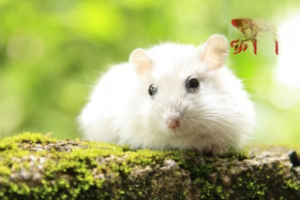
Why Is My Golden Hamster Squeaking Constantly?
Golden hamsters are normally quiet creatures that sleep by day and run on their wheel by night, so constant squeaking is a signal worth reading. It can be completely harmless—a dream, a startle, or a sulk—or it can mean real distress from illness, injury, or a perceived predator nearby. Because the tone differs between a content chirp and a pained wail, owners should learn to tell them apart. This guide covers the five common reasons a hamster cries out and when a vet visit is the right call.

A Complete Guide to Pet Spay and Neuter Surgery
Spaying or neutering is one of the most responsible decisions a pet owner can make. For dogs and cats, the ideal window is around 6 to 8 months of age, ideally before the first heat cycle, which lowers the risk of reproductive diseases and unwanted behaviors. The procedure should only be performed on a healthy animal that is fully vaccinated, has adequate antibody levels, and is regularly dewormed. Once you choose a trusted veterinary clinic, you can book the surgery and share your pet's age, vaccination, and deworming history. The clinic will explain pre-operative fasting rules. This guide walks you through the timing, preparation, and the step-by-step process on the day of the operation so you know exactly what to expect.

Why Pets Drool: Stomatitis and Periodontal Disease
Persistent drooling often points to mouth inflammation. Stomatitis can be contagious (virus-linked) and, in cats, often lifelong — a red line forms where gum meets tooth, with constant drooling. As it worsens, ulcers grow, the cat may stop eating and lose weight. Periodontitis, driven by bacteria and tartar, also causes drooling, bad breath, and tooth loss. Diagnosis needs an oral exam (often under anesthesia) and dental X-rays; treatment ranges from antibacterial rinses to antibiotics and, in severe tartar cases, extraction.