Search Results
49 results for “cat cooling”

Summer Care Tips for Hamsters
Hamsters have weak immunity and get sick easily with temperature swings, so summer care must cool them without letting them catch cold. Place the cage in a shady, airy spot with cooling mats, and if you use air conditioning keep it around 27°C with paper cotton for warmth, or use a fan that does not blow directly on the pet. Keep the diet light: normal hamster mix plus cooling foods like mung beans, watermelon, cucumber, or a little chamomile water, and always provide fresh water changed daily. Clean the cage and change bedding twice a week to limit bacteria.

How to Prevent Heatstroke in Hamsters During Summer
All hamsters hate heat, so in summer, without proper cooling, they can quickly suffer heatstroke. Early signs are frantic running, excitement, and jumping; as it worsens, tremors, dehydration, and coma follow, and death can come fast without prompt first aid. Move the cage to a cool, airy spot, give plenty of water, and act at the first sign by cooling the environment and offering electrolyte fluid. Prevention means ventilation, constant fresh water, cooling tiles, and light, hydrating foods like cucumber and watermelon.
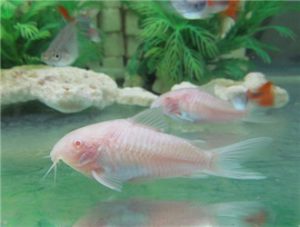
White Corydoras
The White Corydoras is native to South American waters and is now mostly captive-bred. An albino form of the Bronze Cory, it has a milky white body with clear red eyes, is gentle, and is kept in schools. Egg-laying and good with small fish, it suits planted tanks as a bottom fish.

Shusui Koi
The Shusui koi is an asagi-type koi of the German carp line, which is why many confuse it with the asagi. By color layout it splits into three kinds: flower Shusui, yellow Shusui, and red Shusui.

Pritchard’s Turtle
Pritchard's turtle (Mauremys pritchardi) is a Geoemydidae turtle found in China and Japan. Its looks blend the Chinese pond turtle and the yellow pond turtle, and some researchers believe it is a natural hybrid — though that is not officially recognised.

Chinese White Rabbit
The Chinese White Rabbit is China's oldest domestic rabbit — small, compact, and remarkably hardy, with red eyes only in the white form. A meat-type landrace that also makes a tough pet, it needs a wire-free cage, a ball-valve bottle, and a simple diet of pellets, alfalfa, timothy, and boiled water. Watch for coccidiosis.
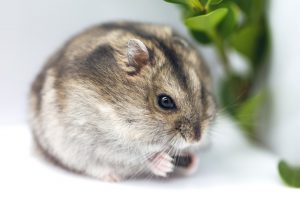
Winter White Dwarf Hamster
The Winter White Dwarf Hamster (Phodopus sungorus), also called the Djungarian hamster or Russian dwarf, is the easiest and tamest of the small hamsters and turns white in winter. A solitary species, it needs a safe cage, a wheel, and a careful diet free of onion, chocolate, and apple seeds. Lifespan 2–3 years.

Standard Gray Chinchilla
The Standard Gray Chinchilla — the original 'Totoro' — is a vegetarian rodent from the high Andes of South America. Gentle, clean, nearly odorless and long-lived (8–10 years), it needs a cage, dust baths, constant chewing material, and careful protection from heatstroke.

Leiocephalus personatus
The Masked Curlytail Lizard (Leiocephalus personatus) is a small, active, territorial lizard from the West Indies, famous for curling its tail like a spring when excited. A hardy basking lover that does well in groups of one male with several females, it eats almost any non-toxic insect.
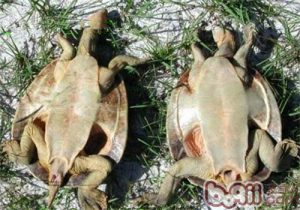
Fitzroy River Turtle
The Fitzroy River Turtle (Rheodytes leukops) is an Australian river turtle famous for 'breathing through its bottom'—it draws oxygen via cloacal sacs, letting it stay submerged far longer than most turtles. A bottom-dweller of flowing, gravelly waters, it is sensitive to poor water quality and warm temperatures.