Search Results
49 results for “cat cooling”
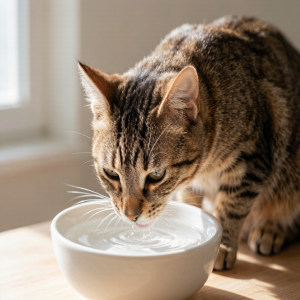
Can Cats Drink Unboiled Tap Water?
Cats can drink unboiled water, but with risks - bacteria, parasites, and bleach in it are uncertain, so boiling before feeding is advised. Another claim: unboiled or mineral water causes stones, but no dedicated test proves it.

What Your Cat’s Sleeping Pose Reveals
Cats change sleeping pose with the weather and their health: sprawled out in heat, curled tight in cold, and on the side when unwell. The pose is a quick read on comfort or trouble.
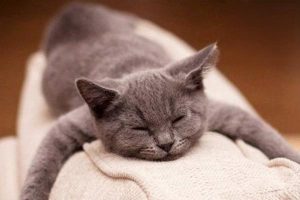
Can a Feverish Cat Recover on Its Own
A cat's normal temperature runs 37–39°C, and it cools itself through paw sweat glands and panting. Mild fevers can ease with physical cooling, but a high fever from infection or virus needs a vet. Watch the ears and tail, and keep the cat nourished while it recovers.

Saying No to Dark Tear Stains Under Your Cat’s Eyes
Tear stains come from trapped tears that discolor the fur, especially in long-haired and flat-faced cats with narrow ducts. Regular checks, gentle cleaning, and a vet-recommended eye solution keep the face clear.

How to Prevent Dog Asthma Attacks
Dog asthma cannot be cured, only controlled through careful care, which usually keeps attacks at bay. To lower the chance of an attack, keep the environment clean and disinfected, groom the dog regularly, ventilate the home and avoid strong smells, and prevent intense exercise or over-excitement. If an attack happens, consult a veterinarian before giving any medication; never dose blindly. With good management, asthma can be controlled effectively.
How to Repel Mosquitoes in Summer With Pets at Home
Pyrethroids are common in human mosquito products because they work and are cheap, but cats cannot metabolize them and long-term use can damage the brain and cause organ failure, even death. DEET is far less toxic to cats and the EPA rates it nearly non-toxic to mammals, though keep it away from cats in quantity. Safer still are physical methods: screens, nets, mosquito swatters, and pet-safe repellent lamps used when no one is home.
Rabbit Lying Down with Weak Limbs — What to Do
Seeing a rabbit flat on the ground with weak legs can look like the end, but the cause is often treatable. The three usual suspects are heatstroke from a hot, stuffy room, low blood sugar from poor nutrition, and coccidiosis, a parasitic gut infection. Each has a distinct fix, from cooling and glucose to deworming and disinfection. This guide explains how to tell them apart and what to do before a vet visit becomes necessary.
What to Do When a Dog Vomits from Getting Chilled
A dog that vomits after getting chilled needs a vet check first to rule out viral disease (distemper, parvovirus, coronavirus) or a swallowed foreign object. If those are excluded, the cause is likely ordinary gastric upset. Withhold food and water briefly, keep the dog warm, and offer easily digested food once vomiting stops; probiotics and steady warmth prevent recurrence.
Understanding a Rabbit’s Physical Traits
Rabbits are built for alertness and quick escape. Their freely rotating ears carry dense blood vessels that release heat and give keen hearing, while eyes set on the sides of the head give a near 300-degree view, though daytime sight is weak. A constantly twitching nose reads scent, whiskers map nearby objects, and 28 ever-growing teeth demand constant chewing. Strong hind legs power leaps, a fragile skeleton needs careful handling, and body size ranges from under 2 kg to 8 kg across small, medium and large types.

What to Do When Your Guinea Pig Has a Cold
Guinea pig colds usually come from temperature drops or cold exposure, such as big day-night swings, sudden seasonal cooling, or chills after a bath, and weak immunity raises the risk. Signs include sneezing, clear runny nose, cough or wheeze, lethargy with poor appetite, and fever above 40°C. See a vet early for diagnosis and a plan, keep the home quiet, warm, dry, and clean, and skip baths while sick. Offer mild herbal dried grasses like chamomile or mint and a little vitamin C liquid to support immunity, using any medication only per veterinary guidance.