Search Results
632 results for “cat breeding”
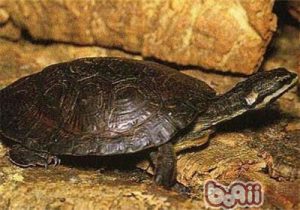
Phrynops williamsi
Phrynops williamsi, also called the Masked Toadhead Turtle, is a side-necked turtle from South America that loves basking and is semi-aquatic in the wild. Lively and relatively easy to keep, it remains uncommon in captivity and is found mainly as wild-caught individuals.
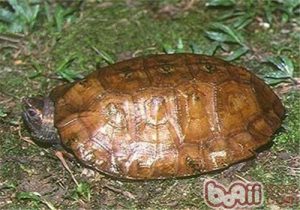
Malayan Flat-shelled Turtle
The Malayan Flat-shelled Turtle (Notochely platynota) is a secretive, chiefly herbivorous freshwater turtle from Southeast Asia that prefers shallow, plant-rich waters. Wild-caught individuals are notoriously fragile, making it one of the most difficult turtles to keep successfully in captivity.
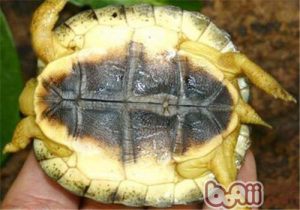
Furrowed Wood Turtle
The furrowed wood turtle (Rhinoclemmys areolata) is an aquatic, strong-swimming turtle from the Yucatán Peninsula. Omnivorous but plant-leaning in the wild, it is scarce in the pet trade and can be difficult to acquire.
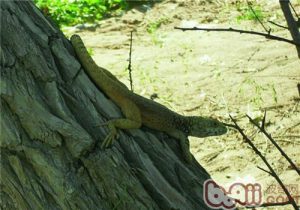
Xinjiang Rock Agama
The Xinjiang rock agama (Laudakia stoliczkana) is a color-changing lizard native to Xinjiang, China, renowned for its remarkable ability to shift hue — its body lightens and its head and neck redden in sunlight, then darken again in shade.
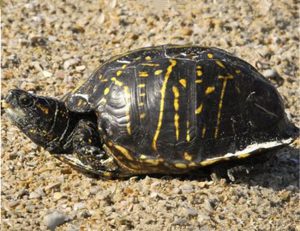
Common Box Turtle
The Carolina box turtle (Terrapene carolina) comprises six subspecies distinguished by their shell patterns and named for its box-like shell. Ranging from eastern North America through Canada and Mexico, this largely terrestrial, omnivorous turtle is exceptionally long-lived, though habitat loss has driven population declines.

Chiapas giant musk turtle
The Chiapas Giant Musk Turtle (Staurotypus triporcatus) is the largest and most vividly patterned of the musk turtles, native to Central America. A highly aquatic, somewhat aggressive omnivore, it needs a large, sturdy, well-filtered aquatic setup.
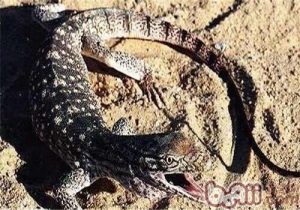
Desert Monitor
The Desert Monitor (Varanus griseus) is a large, fierce monitor of the Sahara and Asian deserts, reaching up to 140 cm and famed for its endurance and venom-resistant diet of snakes and scorpions. Difficult and dangerous to keep, it is not recommended for beginners.

Home’s Hinge-back Tortoise
The Home's Hinge-back Tortoise (Kinixys homeana) is a shy, high-difficulty African tortoise known for its hinged rear carapace and a 90-degree rear shell drop. It prefers warm, humid conditions with ample shade and a varied omnivorous diet, but is prone to stress-induced sudden death, so it is not recommended for beginners.
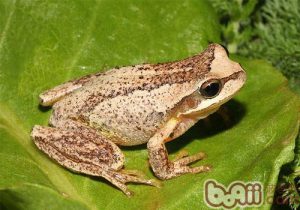
Brown Tree Frog
The Brown Tree Frog (Litoria ewingii) is a small, highly adaptable hylid frog native to southeastern Australia and introduced to New Zealand, classified as a species of Least Concern. It breeds year-round—peaking in summer after rain—and is known for its distinctive whistle-like call and brown body marked with two black stripes.

Rana grylio
The Pig Frog (Rana grylio), named for its pig-like call, is a large aquatic frog from the southeastern United States, resembling a bullfrog but smaller (under 150 mm). A hardy, mostly carnivorous feeder that thrives in a clean, spacious, planted aquarium with live or cleverly presented food.