Search Results
632 results for “cat breeding”
When is cat breeding considered inbreeding?
In cat breeding, relatedness within 3 generations counts as inbreeding; for some purebreds like Persian and Siamese the rule is stricter, requiring at least 5 generations apart. Inbreeding can cause genetic defects and raise hereditary disease risk, so avoid it; for cats not meant for breeding, spay or neuter.

Why Does Cat Breeding Keep Failing?
Cat breeding fails for timing (not in heat), age (too old or too young), poor nutrition (low vitamin E and B), disease (metritis, ovarian cysts), or a stressful environment. Match the female's cycle, feed a balanced high-quality diet, vet-check before mating, and keep the space calm.
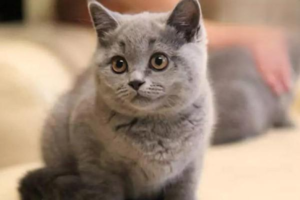
What to Consider Before Breeding Your Cat
If your only reason is 'I heard breeding is good for the mother cat' or 'it is inhumane to leave her unbred while she is in heat,' we suggest you drop the breeding plan.
What to note before breeding a female cat?
Before breeding, ensure the female is healthy with no infectious or chronic disease via a vet check, and of proper age, ideally 1 to 5 years. Choose a healthy, well-bred male.
Cat A bore B and C; B and C live together; B bore D; now C and D mated and are pregnant – is this inbreeding?
Within three generations counts as inbreeding; C and D are like aunt and nephew, so yes. Inbred kittens risk genetic defects, so separate them and get the litter regular vet checkups.
What happens if a cat keeps breeding?
Constant pregnancy drains energy and nutrition, causing poor health and shorter life. Weak postpartum immunity raises risks like pyometra and mammary tumors. Limit breeding to once a year and supplement after birth.
What happens if a female cat keeps breeding?
Continuous litters burden the mother's body, draining energy and nutrients so she cannot recover, lowering immunity and raising risks of mastitis and uterine infection. It also lowers reproduction quality, with kittens prone to genetic problems, and hormonal changes can make her aggressive.

What Are the Dangers of Inbreeding Cats?
Inbreeding cats—mating relatives within four generations—spreads genetic disease, weakens immunity, and raises mutation rates, badly harming offspring health and survival. Avoid it by learning the cat's family history, choosing an unrelated mate, and spaying or neutering if you don't plan to breed.
What happens with cat inbreeding?
Inbreeding easily causes fetal deformity, stillbirth, and miscarriage; even if born, kittens are weak with genetic disease and low survival. Avoid breeding within four generations; separate opposite-sex littermates before 6 months.
What should you pay attention to when breeding cats?
Do not breed too early; although cats mature at 6-8 months, their bodies are not fully developed, and early breeding harms the female. For purebreds, choose the same breed or similar size to raise success. Deworm the female before mating and nourish the male.