Search Results
126 results for “cat blindness”
What if a cat gets too much taurine?
Excess taurine does little harm since it is water-soluble and excess is excreted; short-term overdose is not worrying. Deficiency, however, causes night blindness, weaker immunity, and poor reproduction, so supplement regularly.
Can feline rhinotracheitis (cat flu) be fatal?
Feline rhinotracheitis can be fatal; mortality reaches about 50% in low-immunity kittens and 20 to 30% in adults. It is a common infectious disease causing sneezing, runny nose, appetite loss, fever, lethargy, tearing, and eye redness. Untreated, it can cause mouth ulcers, dehydration, blindness, and death. Seek care promptly.
Feeding Your Cat Chicken Liver? Watch Out for Vitamin A Toxicity
Vitamin A is vital for cats but fat-soluble, so excess is stored and builds up to toxic levels — usually from too much liver or stacked supplements. Chronic toxicity causes stiff gait, joint pain, dry skin, coat loss, and gut upset, and the bone damage can be permanent. Feed liver only as an occasional treat and rely on a balanced AAFCO/FEDIAF complete food.

Why Do Cats Get Entropion
Entropion is when the eyelid folds inward so the lashes rub the eye, causing pain, discharge, and even corneal damage. Causes include breed conformation, spasms, sunken eyes, or injury. Surgery is the lasting fix; mild cases may be temporarily stitched.
Meet the Siamese Cat: A 3-Minute Guide
The Siamese is an ancient palace cat from 14th-century Thailand (then Siam), weighing 8–14 lb for males and 6–10 lb for females, with pointed colors like seal, blue, lilac, chocolate, red, and cream. Its signature trait is temperature-sensitive fur: tyrosinase works faster when cold, so winter deepens the coat and age darkens it. Siamese are dog-like — clingy, energetic, curious, and talkative — and adapt well, making them a good choice for first-time owners.
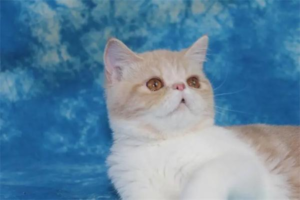
Can Obesity Cause Fatty Liver in Cats?
Overweight cats are at higher risk of fatty liver, because excess fat around the liver can move into it. Fat cats also more often have diabetes and pancreatitis, which can lead to fatty liver, and prolonged starvation is another common cause. Symptoms include anorexia, weight loss, vomiting, and jaundice, and severe cases can be fatal, so prevention matters.

What Happens When a Cat Lacks Taurine?
Taurine is a nutrient cats cannot make on their own—they must get it from food, so a shortfall quickly harms health. It is vital for eyes and heart: deficiency degenerates the retina and causes irreversible blindness, and it is a leading cause of dilated cardiomyopathy, which improves if caught early but worsens without it. Taurine also powers metabolism and immunity, aids digestion by boosting stomach acid and protein absorption, and supports reproduction—a deficient pregnant cat risks weak, slow-growing, high-mortality kittens. Because cats can't synthesize it, feed taurine-rich foods like organ meat, muscle, and some seafood.
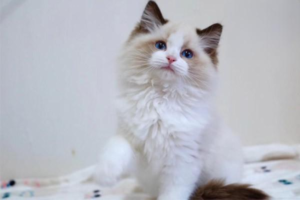
What to Do If Your Cat Has Cryptococcosis
Cryptococcosis is an environmental fungus found in soil and air, and cats often catch it by inhaling spores that travel from the lungs to the rest of the body, or through wounded skin and the mouth. Pigeons are the most important carrier, so the fungus concentrates wherever birds roost, in attics, and among decaying leaves. Signs range from skin nodules and nasal discharge to nervous-system and eye problems. Diagnosis relies on microscopy, fungal culture, X-rays, and blood tests, and oral antifungals such as ketoconazole, itraconazole, and fluconazole are the main treatment. Starting therapy early and keeping it consistent gives the best chance of recovery.

How to Tell If Your Cat or Dog Has Glaucoma
Glaucoma is a common eye disease in cats and dogs where blocked fluid drainage raises eye pressure, damages the optic nerve, and can end in blindness. It always comes with high eye pressure. Signs include a cloudy or enlarged eye, a fixed dilated pupil, vision loss, redness, and head pressing. Diagnosis uses eye-pressure and fundus exams, and treatment ranges from pressure-lowering drugs to, in severe pain, removal of the eye.
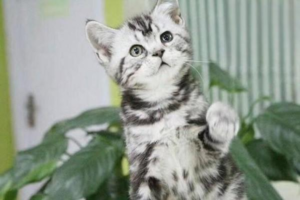
Are Cats Color Blind?
Cats are indeed poor at seeing color and are much like human color-blind people, perceiving only a limited palette. At night, though, their world is far richer than ours; they see clearly in dim light almost as well as by day. They cannot focus on anything within 30 cm, a gap their whiskers help fill, yet they track fast-moving prey with ease. A cat's vision is a mix of clear strengths and weaknesses tuned for a hunter.