Search Results
126 results for “cat blindness”
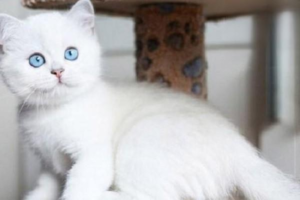
What Is Uveitis in Cats?
Uveitis is inflammation of the uvea, the middle layer of the eye, and it can be painful and watery for the cat. Most cases are not from a clear single cause; some stem from eye problems, others from disease elsewhere in the body. Because uveitis can lead to glaucoma and even blindness, it should never be ignored. A slit-lamp and eye-pressure exam confirm it, and treatment usually means anti-inflammatory eye drops. If no underlying illness is found, the outlook is good.

What Injections Does a Cat with a Cold Need?
Never give a cat cold medicine or injections blindly. For anti-inflammatory or antibiotic shots, a vet must diagnose first—injecting without guidance can harm the cat. An ordinary cold shows sneezing, runny nose, and watery eyes, sometimes fever, with little change in spirit or appetite. A viral cold (upper-respiratory infection) brings cough, congestion, sneeze, fever, thick nasal discharge, heavy eye discharge, conjunctivitis, and mouth ulcers; it's more severe, can block tear ducts and cause light aversion and hiding, even vision loss and refusal to eat. When to inject: high fever needs an antipyretic shot (vet-guided); viral colds get antiviral fluid; severe secondary infection needs the right antibiotic; serious dehydration needs subcutaneous glucose. Leave all injections to a professional.
Is it good to feed cats chicken breast?
Chicken breast is very suitable for cats: it is low in fat, high in protein, easy to digest, and rich in vitamins. Fed in moderation it supplements nutrition and supports immunity without the risk of obesity. Small amounts of chicken liver (vitamin A) and egg yolk (lecithin) can further benefit vision and coat health.

Why Are My Cat’s Eyes Always Wet?
Constant wetness at a cat's eye corners is usually harmless tear pooling—after waking, mild dust, or the narrow tear ducts of flat-faced breeds like Exotics and Persians. But it can also signal conjunctivitis, keratitis, a blocked tear duct, or irritating fur. Yellow-green pus, swelling, or sneezing with poor appetite means a vet visit. Start with gentle cleaning and a few days of observation.

Optic Neuritis in Dogs and Cats
Optic neuritis is an inflammatory condition of the optic nerve that can cause sudden, often bilateral blindness in dogs and cats. The underlying cause is frequently unknown but may follow ocular trauma or infection, and prompt veterinary care is needed to protect vision.

Toad Poisoning in Dogs and Cats
Toad poisoning occurs when dogs or cats bite toads or lick toad eggs, skin secretions, or venom on wounds. Signs include heavy drooling, vomiting, irregular heartbeat, and seizures. Immediate flushing of the mouth and urgent veterinary treatment are critical.

Aflatoxin Poisoning in Dogs and Cats
Aflatoxins from mouldy food damage the liver, causing vomiting, jaundice and lethargy and, with long exposure, liver failure. There is no antidote, so prevention and prompt toxin removal are key.

Salt Poisoning in Dogs and Cats
Eating too much common salt irritates the gut and over-excites the brain, causing restlessness, muscle tremor, thirst, little urine and dehydration; severe cases can be fatal. Fresh water and careful correction of electrolytes are the mainstay.

Vitamin A Deficiency in Dogs and Cats
Vitamin A deficiency in dogs and cats results from a diet lacking preformed vitamin A and its precursors, impairing vision, skin, growth, and reproduction. It causes night blindness, dry eye, flaky skin, and in young animals bone deformity and paralysis, and is corrected by dietary vitamin A and treating any gut disease.

Concussion and Cerebral Contusion in Dogs and Cats: Symptoms, Treatment, and Prevention
Concussion and cerebral contusion are brain injuries from blows, falls, or car accidents that impair brain function, causing collapse, seizures, and sometimes blindness. Emergency care protects the brain, lowers pressure, and supports recovery, with surgery when bleeding compresses tissue.