Search Results
291 results for “cat bladder”
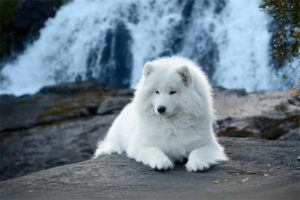
Why Is My Dog in Pain When Urinating?
When a dog shows pain while urinating, the cause is usually a problem in the urinary tract, such as a urinary infection, bladder stones or crystals, or a blockage. Along with painful urination, you may notice frequent or urgent attempts to urinate, straining, reduced output, blood in the urine, cloudy or pus-like urine, or a complete inability to pass urine. Because these conditions can quickly become serious, any sign of painful urination means your dog should be seen by a veterinarian promptly. Diagnosis may involve urinalysis, X-rays, ultrasound, or other tests, and treatment is chosen according to severity, ranging from relieving a blockage and catheterization to medication or surgery.

What Is Canine Salmonellosis
Canine salmonellosis is a group of infections caused by bacteria of the Salmonella genus, which can affect both dogs and people. Dogs pick it up from sick animals, contaminated food and water, or even healthy-looking carrier dogs, and the illness ranges from silent carriage to severe, life-threatening septicemia in young puppies. Signs include fever, vomiting, watery or bloody diarrhea, and rapid dehydration. Diagnosis relies on culture and identification of the bacteria from stool or organs, and treatment pairs antibacterial drugs with fluid and symptom support. Careful food handling and a clean environment are the cornerstones of prevention.
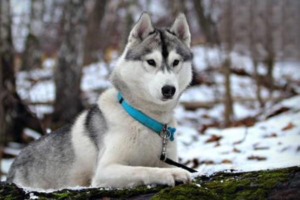
Canine Infectious Hepatitis: Can It Be Treated
Canine infectious hepatitis is an acute, often severe viral disease of dogs caused by canine adenovirus type 1 (CAV-1). It spreads through urine, saliva, and nasal discharge and hits weaned puppies hardest, sometimes with no warning signs. Typical signs include a fever that rises then falls, lethargy, vomiting, diarrhea, and a characteristic cloudy "blue eye" in about a quarter of recovering dogs. While there is no direct cure that eliminates the virus, most dogs recover with prompt supportive care such as fluids, liver protection, and antibiotics to control secondary infection. The good news is that the disease is highly preventable through routine vaccination, with puppy shots given at 8-9 and 10-12 weeks and annual boosters for adults.
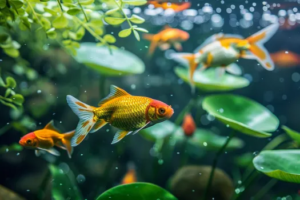
What to Do When Your Goldfish Is Swimming Upside Down
A goldfish floating or swimming upside down is alarming but common, usually caused by poor water quality, overfeeding, low oxygen, cold or fluctuating temperatures, or swim bladder disease. Act quickly to add oxygen and prevent long-term damage from suffocation. Season, temperature, water quality, dissolved oxygen, pH, feeding, and water-change frequency all affect a goldfish's health, so careful husbandry matters. You can relieve mild cases by improving water quality, boosting aeration, and raising the temperature—but if the problem is severe or persists, consult a veterinarian or an aquatic specialist for proper treatment.
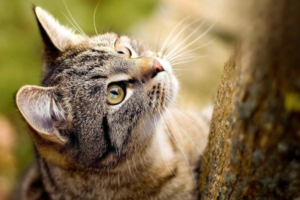
Diagnosing and Treating Feline Idiopathic Cystitis (FIC)
Feline idiopathic cystitis, or FIC, is a common lower-urinary-tract disease in cats whose exact cause is still unknown, yet it is the single most frequent diagnosis in young cats, affecting roughly 50 to 60 percent of cases. It is linked to a defective bladder lining, nerve-driven inflammation, and stress. Because there is no single definitive test, veterinarians diagnose it by exclusion, using the history, urinalysis, blood chemistry, and ultrasound. Most episodes ease on their own within five to seven days, but treatment focuses on pain relief, protecting the bladder lining, litter-box management, more water, prescription food, and reducing stress.
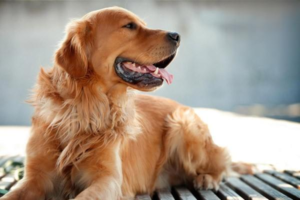
Why Pets Gain Weight After Spaying or Neutering
An intact cat's base metabolic rate is about 30 percent higher than a neutered cat's, so the same food leads to faster weight gain after the procedure. Obesity raises the risk of heart disease, diabetes, high blood pressure, arthritis, fatty liver, and more. The fix is diet and exercise: feed timed, smaller, high-protein low-fat meals, drop the treats, and keep moving, with low-impact activity like swimming for joint-prone breeds.

The Dangers of a Dog Holding Its Urine
Many owners know holding urine is harmful but aren't sure what counts as 'holding it.' Veterinary medicine offers two views: one links urination frequency to breed, sex, size, and health; the other says it depends entirely on the individual—diet, activity, water, and age. Either way, puppies urinate more than adults. Cesar Millan notes a healthy dog makes 10–20 ml of urine per kg of body weight daily and an adult needs to urinate at least 3–5 times outdoors daily; puppies need more. Trained dogs learn to hold, but don't assume that's fine—frequent holders are more prone to UTIs and urinary disease. Long holding lets stored urine contact the tract, causing infection and even stones; one study links a urinary carcinogen contacting tract cells for long periods to higher risk of some urinary cancers. No proven upper limit, but experts advise not exceeding 8 hours. Resulting diseases include UTIs (common in females), bladder stones (can block the urethra—emergency), aggressive bladder cancer, kidney failure, incontinence (spayed females), and prostate disease (males; blood in urine).
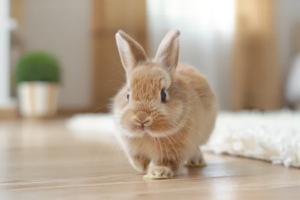
Common Urinary Tract Diseases in Rabbits
Rabbits often face urinary infections, urethral stones, and bladder stones, mostly from bacteria, low water intake, or too much calcium, while unspayed females are prone to uterine cancer. Infections show as incontinence and leaking; stones cause painful urination, blood, curling, teeth grinding, and can fully block the urethra. Bladder stones need fluid flushes and repair; urethral stones require surgery; uterine cancer needs tumor removal plus medication. Lower the risk by spaying early, keeping the habitat clean, ensuring ample water, and balancing the diet to avoid excess calcium.
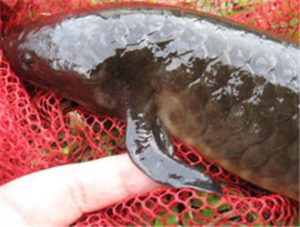
Australian Lungfish
The Australian lungfish (Neoceratodus forsteri), also called the Queensland lungfish, is the largest of the living lungfishes and a true 'living fossil' that breathes with both gills and a lung. Native to the rivers of Queensland, Australia, it is a protected species and not part of the ornamental aquarium trade.
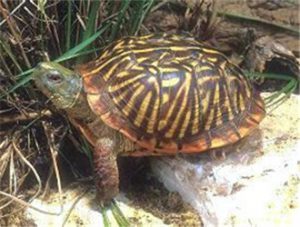
Western Box Turtle
The Western Box Turtle (Terrapene ornata) is a vividly patterned, arid-adapted box turtle of the North American grasslands. It takes about five years to mature, leans more toward insects than other box turtles, and unfortunately adapts poorly to captivity.