Search Results
291 results for “cat bladder”

Anglo Mink
The Anglo Mink is the domesticated pet ferret (Anglo / Marshall lines) kept as a companion animal. Intelligent, gentle, and easy to litter-train, it is heat-sensitive and mischievous when unwatched, needs a large wire-free cage and 4+ hours out daily, and eats a meat-based diet (30–35% protein, 15–20% fat). Lifespan 8–12 years.

African Lungfish
The African lungfish is a living fossil of a fish: besides gills, it breathes with a lung-like swim bladder and can bury into mud to aestivate through a six-month dry season. A carnivorous, mostly placid fish that grows up to 1–2 m, it is now threatened as its native African waters shrink.

Gopher Tortoise
The Gopher Tortoise (Gopherus polyphemus) is a burrowing land turtle of the southeastern United States, strictly herbivorous and protected by law due to its small wild population. Famous for digging deep burrows (11–15 m), it needs a dry, sandy outdoor enclosure with plenty of sunny space.
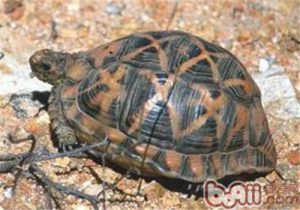
Tent Tortoise
The Tent Tortoise (Psammobates tentorius), also called the tent star tortoise, is a small, heat- and drought-tolerant tortoise that prefers plant food. Keeping it is fairly demanding, though a few individuals can be found in the pet trade.
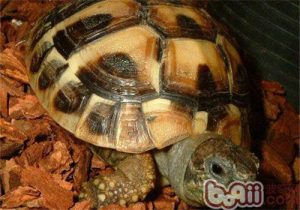
Western Hermann’s Tortoise
The Western Hermann's Tortoise (Testudo hermanni) is a common, beginner-friendly tortoise with undemanding environmental needs and good disease resistance, though it carries a relatively high price. Native to Spain and southern France, it is a Mediterranean-species herbivore that also occasionally takes animal prey.

Canine and Feline Spinal Cord Tumors
Spinal cord tumors in dogs and cats produce signs based on where they compress the cord, ranging from limb weakness to paralysis and loss of bladder control. German Shepherds and young to middle-aged dogs are commonly affected, with tumors often located between the 10th thoracic and 3rd lumbar vertebrae.

Canine and Feline Estrogen Deficiency
Estrogen deficiency most often follows spaying or ovarian disease and weakens the urethral sphincter, causing incontinence and frequent small urinations. It is managed with hormone therapy and supportive care.

Canine and Feline Insulin Excess (Hyperinsulinism)
Insulin excess occurs when the pancreas releases too much insulin, driving blood sugar dangerously low. It causes weakness, wobbliness, and in severe cases seizures or collapse, and is usually managed by correcting the low sugar and treating the underlying cause.

Benign Prostatic Hyperplasia in Dogs
Benign prostatic hyperplasia (BPH) is a common age-related enlargement of the prostate in older male dogs, leading to difficult defecation, constipation, reduced urine output, blood in urine, and a full bladder. Castration is the most effective treatment.

Canine and Feline Liver Fluke Infection (Opisthorchiasis): Symptoms, Treatment, and Prevention
Liver fluke infection is caused by Clonorchis sinensis and Opisthorchis felineus living in the bile ducts of dogs and cats, producing cholangitis, cholecystitis, and liver dysfunction. It is treated with flukicides and liver support.