Search Results
291 results for “cat bladder”

What to Do When Your Dog’s Urine Has Blood in It
Blood in a dog's urine can come from heat cycles, food poisoning (onions, grapes, chocolate), or urinary tract problems like inflammation or stones. Find the cause first: observe, hydrate for poisoning, and see a vet for urinary or unexplained cases - never self-medicate.

Why Is Your Blood Parrot Lying on the Tank Bottom?
A blood parrot resting on the tank floor can be normal (just napping), but it can also signal saprolegniasis or swim-bladder disorder. Rule out disease by checking water quality and behavior; treat fungus with isolation and salt baths, and swim-bladder issues with warmer water and regular changes.
How long does a dog’s cystitis take to heal?
With active treatment, a dog's cystitis usually recovers in 3-5 days, though severe cases take longer. Antibiotics, pain relief, and bladder-mucosa protectants are used.

Signs of Aging in Hamsters and Common Senior Diseases
Hamsters begin aging around 15 months and show clear changes: a thinning coat, hunched back, leaner body, and less activity and appetite. Senior hamsters are prone to kidney failure, tumors, dental problems, cataracts, and constipation — conditions that are manageable but generally incurable, so attentive care is essential.
Will a Dog’s Urinary Tract Infection Heal on Its Own
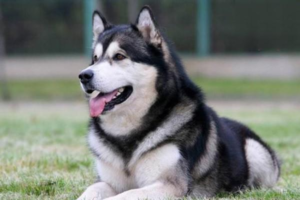
A dog's urinary tract infection usually won't heal on its own and worsens if ignored. Causes include bacterial exposure (urinating in grass, damp fur), a salty/oily diet, holding urine over 12 hours, and poor genital hygiene. Treatment needs a vet: bacterial UTIs use anti-inflammatories like amoxicillin or cefadroxil, with IV fluids and possible stone surgery if needed; poor response may mean antibiotic resistance.

Feline Hyperesthesia Syndrome (FHS)
Feline hyperesthesia syndrome (FHS) causes sudden shock-like episodes with tail swishing, frantic licking or biting of the skin, and touch sensitivity along the back. It is diagnosed by ruling out other causes and managed with stress reduction, medication (paroxetine, fluoxetine, gabapentin), and acupuncture.
What happens if a dog gets stones?
A dog with stones usually shows frequent urination, urgency, incontinence, darker and cloudy urine, and abdominal pain; the stones irritate the bladder and kidneys, causing discomfort, lethargy, and appetite loss. Large or long-standing stones may block the urethra or cause infection, leading to urinary retention. See a vet for tests and treatment like medication, surgery, or prevention.
Puppy Had Loose Stools Starting the Day After Arrival; Now on Day 4 with White Watery Stools
White watery stools suggest: 1) parasites (common in pups, e.g., roundworms)--use fenbendazole with probiotics after a fecal test. 2) infectious diarrhea if unvaccinated--suspect parvovirus, coronavirus; see vet if vomiting or lethargy. 3) primary low bile, immature gallbladder, blocked bile duct--bile acids and vet care.

Chinchilla Heatstroke: Symptoms and Emergency Care
Chinchilla heatstroke happens when heat and humidity stop the body from shedding heat, and severe cases are fatal fast. Watch for lethargy, unsteady standing, or coma; for mild-to-moderate cases move the pet to a cool place, apply cooling balm, and give a heat-relief fluid, while severe cases need glucose and a vet.
Chinchilla Heatstroke: First Aid and Prevention
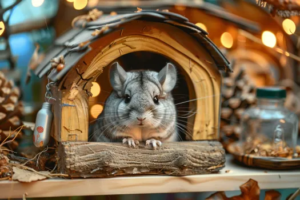
Chinchillas are very heat-sensitive and can die quickly from severe heatstroke. Move a stricken pet to a cool, airy place, wipe it down, and give cooling fluids; prevent trouble by placing the cage out of the sun and using AC, a cooling fan, or ice to keep the room between 8 and 22°C.