Search Results
519 results for “cat birth”
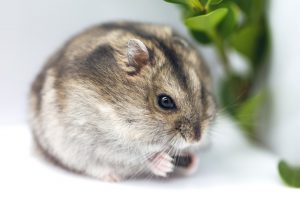
Winter White Dwarf Hamster
The Winter White Dwarf Hamster (Phodopus sungorus), also called the Djungarian hamster or Russian dwarf, is the easiest and tamest of the small hamsters and turns white in winter. A solitary species, it needs a safe cage, a wheel, and a careful diet free of onion, chocolate, and apple seeds. Lifespan 2–3 years.
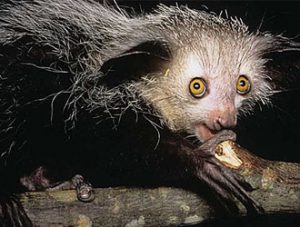
Aye-aye
The Aye-aye is a strange, cat-sized lemur from Madagascar with extraordinarily long fingers and toes (the real source of its 'finger monkey' name). Nocturnal, solitary and curious, it is critically endangered and kept only in zoos and reserves — not a typical pet. It can live over 20 years.

Standard Gray Chinchilla
The Standard Gray Chinchilla — the original 'Totoro' — is a vegetarian rodent from the high Andes of South America. Gentle, clean, nearly odorless and long-lived (8–10 years), it needs a cage, dust baths, constant chewing material, and careful protection from heatstroke.

Hydrophis cyanocinctus
The blue-banded sea snake (Hydrophis cyanocinctus) is a venomous marine snake found along the coasts of East and Southeast Asia, distinguished by its black banding and strong swimming ability. It feeds mainly on fish and gives birth to live young in the open sea.
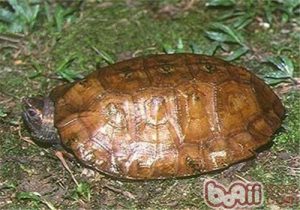
Malayan Flat-shelled Turtle
The Malayan Flat-shelled Turtle (Notochely platynota) is a secretive, chiefly herbivorous freshwater turtle from Southeast Asia that prefers shallow, plant-rich waters. Wild-caught individuals are notoriously fragile, making it one of the most difficult turtles to keep successfully in captivity.

Kapuas Mud Snake
The Kapuas Mud Snake (also called the color-changing snake) is found in swamps and swamp forests along Indonesia's Kapuas River. A rear-fanged colubrid discovered only around 2005, it is venomous but not yet kept as a pet.

Batagur baska (Northern River Terrapin)
The Batagur turtle is one of the largest freshwater turtles in Asia, living in Andaman coast estuaries from Bangladesh to Vietnam and feeding on mangrove seeds. Once thought extinct in Thailand, it is now classified as Critically Endangered and protected under CITES Appendix I.

Canine and Feline Toxoplasmosis: Symptoms, Treatment, and Prevention
Toxoplasmosis is caused by Toxoplasma gondii, with cats as the definitive host; dogs and cats are often silently infected but can develop respiratory and nervous signs. It is treated with sulfonamide-based anticoccidial therapy.

Feline Panleukopenia (Feline Distemper): Symptoms and Treatment
Feline panleukopenia, also called feline distemper or infectious enteritis, is a highly contagious and often fatal viral disease of cats. It causes high fever, vomiting, diarrhea, dehydration, and a dangerous drop in white blood cells, and is especially deadly to kittens.

Canine Herpesvirus Infection (CHV): Symptoms and Care
Canine herpesvirus is a highly contagious virus in dogs that is often fatal in puppies under 21 days old, while older dogs usually show only mild upper-respiratory signs. It can also cause infertility, abortion, and stillbirth in breeding dogs and genital lesions in males.