Search Results
36 results for “caged rabbit”

Is It Okay to Keep a Rabbit Caged All the Time?
Keeping a rabbit in a cage permanently is not recommended. Rabbits are active animals that love to run and jump, and constant confinement limits their natural behavior. Long-term caging can lead to weakened physique, bone deformity, and muscle loss, while the lack of social contact may cause loneliness and stress. To keep a rabbit healthy and happy, provide a roomy enclosure with good ventilation and light, plus a safe exercise area where it can move freely each day. Add comfortable bedding, fresh water, and chew toys, and clean the cage regularly to prevent dampness and disease. In short, rabbits need space and daily out-of-cage time to thrive.
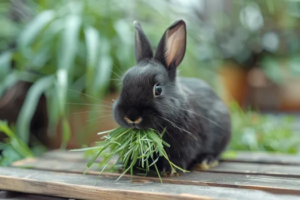
Why Light Matters for Rabbit Growth
Light is essential to a rabbit's health — moderate exposure aids growth, speeds fur production, and boosts fertility, with long-haired rabbits the most dependent (artificial light can lift their yield about 35% over natural). Lean on natural light first and top up with artificial, giving breeding does around 16 hours; but keep summer sun short to avoid heatstroke.

Causes of Rabbit Pica
Rabbit pica — the compulsive eating of non-food items such as fur, bedding, or newborn kits — usually arises from a mix of behavioral, environmental, nutritional, and health factors. Cage confinement, stress, poor husbandry, low fiber or mineral gaps, and skin parasites are the most common triggers. The fix starts with finding the root cause: a calm, clean enclosure, plenty of hay, added minerals, and prompt parasite treatment.
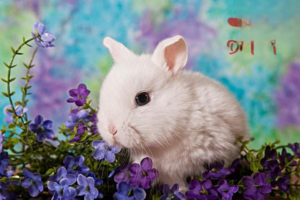
How to Raise Rabbits for Faster Growth
Growth rate is one of the indicators of a rabbit's quality. To raise fast-growing rabbits, focus on selecting fast-growing breeds suited to your local climate, grouping rabbits by size and age for fattening, feeding a balanced grain-based diet on a fixed schedule, providing ample clean water, keeping the hutch clean and well-ventilated, and staying on top of disease prevention.

What to Do About Rabbit Constipation
Rabbit constipation often comes from dry food, low water, or too little fiber and exercise. Relieve it with diet changes, probiotics, outdoor exercise, and hairball remedies to keep the gut moving.

How to Improve Your Rabbit’s Appetite
Rabbits lose interest in food from boredom, lack of exercise, heat, or a bland diet. Practical ways to boost appetite include varied feed, daily playtime, cool surroundings, and a little honey or tasty treats.

Ideal Rabbit Weight
Rabbit breeds come in large, medium, and small sizes, each with its own ideal weight range. Both obesity and being underweight harm a rabbit's health—this article outlines breed-specific weight standards and how to adjust a rabbit's weight safely.

What Winter Warming Measures Suit Rabbits?
Rabbits like 17-27℃; newborn kits need ~25℃ to avoid fatal chilling. Winter is here, so warming matters. What measures? We explain.
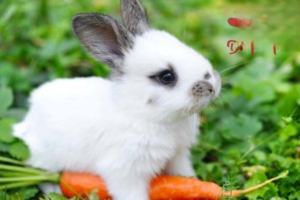
What Rabbits Fear Most
Rabbits are timid and easily scared; avoid their fears to prevent stress. Here is what they fear.

Which Rabbit Breeds Are Most Profitable to Raise in Rural Areas?
As rabbit farming grows, more people profit from it. Beginners wonder which breed to choose. This article covers breeds suited to rural raising.