Search Results
36 results for “caged rabbit”

Factors Behind Sore Hocks (Pododermatitis) in Rabbits
Sore hocks cost rabbit breeders economically and are common, so prevention matters. This article explains the factors that trigger sore hocks in rabbits (especially Rex rabbits) and how to prevent them.

Winter Rabbit Care Tips
Winter is easier than summer but has its own rules — warmth, more feed, timed shearing, exercise, hygiene, and breeding prep. This guide covers the six points.

How to Properly Raise a Non-Pregnant Doe Rabbit
A non-pregnant (resting) doe is one between weaning her litter and the next mating. Too long a rest period lowers fertility and hurts farm profitability. This article covers factors affecting the doe's rest period and how to feed her properly.

Occurrence Patterns of Rabbit Infectious Rhinitis
Infectious rhinitis in rabbits follows clear, predictable patterns. Incidence rises with higher stocking density, certain cage arrangements, the rearing method, the rabbit's breed and age, and seasonal temperature swings. Understanding these patterns helps breeders reduce outbreaks through better housing and management.
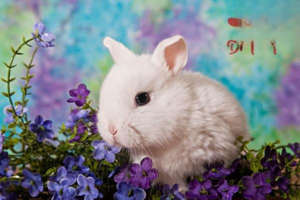
Good Ways to Get Your Rabbit to Return to Its Cage
Rabbits kept caged too long crave the outside and resist returning. The solution is to build a fixed out-and-back routine, use food motivation, avoid unfamiliar scents, and keep the cage clean. This guide explains each step.
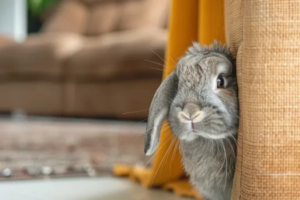
Essential Tips for Raising a Rabbit
Raising a rabbit is easy, but raising one well takes commitment. The essentials: always provide clean (never tap) water, make hay the staple with age-appropriate pellets and veggies as supplements, allow daily exercise and litter training, keep the habitat clean, rabbit-proof hazards, and skip frequent baths. A balanced diet and clean home are the foundation of rabbit health.

How to Discipline a Rabbit Without Hitting It
Rabbits are sensitive—never hit or yell, or they may sulk or stop eating. For shy rabbits, limit freedom or give the cold shoulder; for bold ones, catch them in the act with a firm 'no' and a light pat, plus prevention like cord covers and litter training.

What Does a Rabbit Do All Day?
A rabbit's day runs in cycles: active early morning (5–6 am) and again evening (4–6 pm to 10–11 pm), with a long midday nap. Its schedule also shifts to match the owner's habits.

What to Do When a Male Rabbit Is in Heat
Intact male rabbits get restless and territorial in spring — circling, honking, spraying, and fighting. Soothe with toys and snacks, switch chewed items to chew-proof ones, and consider neutering for spraying; only neuter when he is out of heat.
Rabbit Droppings Small and Very Dark: Why
Normal rabbit droppings are black-brown, oval pellets of moderate softness; their state reveals health. Here is why rabbit stools become small and very dark, and what to do.
- « Previous
- 1
- 2
- 3
- 4
- Next »