Search Results
1563 results for “cage size”

Signs of a Hamster in Heat
Hamster heat signs differ by sex — toms enlarge their testes and scent-mark; does flag their tail. This guide covers the timing, behaviors, and why to separate before pregnancy.

Winter Rabbit Care Tips
Winter is easier than summer but has its own rules — warmth, more feed, timed shearing, exercise, hygiene, and breeding prep. This guide covers the six points.

Two Key Points for Good Rabbit Keeping
Hutch hygiene and feeding method are the two pillars of rabbit care. This guide gives the sanitation standards and the feeding schedule for breeders and mothers.

How to Take Good Care of a Pet Rabbit
Good rabbit care spans diet, grooming, litter training, a clean hutch, and bathing. This guide covers the five points every owner should master.
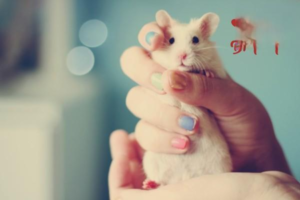
Why Do Hamsters Get Heatstroke?
Hamsters need about 25°C; direct sun or indoor heat above 30°C brings fast, often fatal heatstroke. This guide covers causes, signs, danger, treatment, and prevention.

Signs a Chinchilla Shows Before Giving Birth
Chinchillas easily become pregnant after mating and show signs such as a pear-shaped body and increased appetite; the closer to birth, the clearer the signs. This article explains the symptoms before a chinchilla gives birth.

How to Properly Raise a Non-Pregnant Doe Rabbit
A non-pregnant (resting) doe is one between weaning her litter and the next mating. Too long a rest period lowers fertility and hurts farm profitability. This article covers factors affecting the doe's rest period and how to feed her properly.

Benefits of Keeping a Gerbil
Gerbils differ from hamsters and offer real upsides — low odor, social bonding, and helpful fathers. This guide covers their traits and what their care needs.

What Causes a Rabbit to Smell Bad?
Many people mistakenly think rabbits are smelly animals, and parents often refuse to let children keep pet rabbits for that reason. In fact, rabbits are very clean and do not smell even without frequent baths. This article explains the four common causes of odor in rabbits.

Rabbit Rickets (Osteomalacia)
Rickets, or osteomalacia, is a nutritional metabolic disease common in rabbits, especially pregnant, nursing, and young ones, driven by calcium deficiency, poor calcium-phosphorus balance, or low vitamin D. This guide covers the causes and prevention.