Search Results
1558 results for “cage size”

How Often Does a Doe Rabbit Come Into Heat?
A doe's heat cycle runs about 1–2 weeks, with each heat lasting 2–3 days. Tell heat stage by vulva color — pink (early), bright red (mid, best for mating), purple-red (late), then pale. Mate naturally by placing the doe in the buck's cage, or assist manually if she will not lift her tail.

Can Hamsters Be Free-Roamed?
Hamsters are best caged, not free-roamed: they gnaw wires (risk of shock or gut blockage), are tiny and easy to lose or step on, may escape for good through a window and fall to cats, rats, starvation, or poison, and may raid the trash and get wet tail. A cage protects their lives, not their freedom.
What Causes Hair Loss in Hamsters?
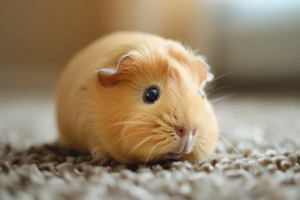
Hamster hair loss is mostly skin disease from a dirty, damp cage, but also aging (after ~1.5 years), low protein, friction from cage wheels, seasonal shedding, over-grooming in heat or pregnancy, and contagious dermatitis. Keep the cage dry and clean, and isolate and treat any skin disease promptly.

Why Won’t a Rabbit Cycle?
A rabbit may not cycle from being too fat or thin, lack of winter light and greens, disease (vaginal or oviduct defects needing culling), or simply being too young to be sexually mature. Fixes: balance body condition; in winter give sun and vitamin-rich veg like carrot, cabbage, or pumpkin; herbal teasers (motherwort plus black soybean), hormone shots (PMSG), or buck induction for 1–2 hours.

What to Do When Dog Interdigital Dermatitis Won’t Heal
Interdigital dermatitis that will not heal is often from the wrong medicine or poor care during treatment, so the medicine does not work and the condition worsens. Here is the correct approach.

How to Treat Dog Interdigital Dermatitis at Home (and Is It Easy?)
Interdigital dermatitis is a skin disease from bacterial or mite infection. Treated promptly, it recovers quickly. Here is how to treat it at home and which medicines to use.
Symptoms and Differences of Common Hamster Illnesses
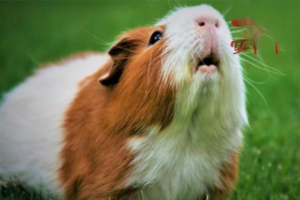
Hamster colds, respiratory infections, and allergies look alike. Colds bring sneezing, red nose, lethargy; respiratory infection adds audible breathing but may not sap energy; allergies follow new bedding or scented products with sudden sneezing and skin rash. Keep the cage clean and see a vet if dull.

Hamster Breeding Guide (Part 2): Pregnancy and Lactation
After a successful mating, the doe shows nesting and food-hoarding behavior, visible weight gain by day 10, and a 15–22 day gestation. During lactation, leave mother and pups undisturbed with ample food and water; wean and separate pups to avoid fighting and inbreeding.

Hamster Breeding Guide (Part 1): Preparation and Mating
Successful hamster breeding starts with one-cage-per-hamster housing and avoiding inbreeding or forbidden pairings. Breed does aged 4–7 months after a week of nutritional conditioning, and watch body-language cues to time and confirm mating.

Key Measures for Fattening Meat Rabbits
Fattening meat rabbits well depends on site and housing, environment control (30–32°C for kits, 10–25°C adults, 60–65% humidity), hygiene, good breeds, regular deworming, clean feed, grouping, quiet management, and timely sale by 5 months.