Search Results
1558 results for “cage size”

How to Train a Rabbit
Training helps a rabbit settle into home life, but every rabbit is different and needs patience—never force or hit it. Teach its name with rewards, let it out daily and recall it with a cue, train it to accept nail trims by getting it used to paw touches, and correct misbehavior in the act followed by a brief timeout.

How to Bond with Your Cat
Cats are reserved by nature, so trust builds through patience, not force — read their boundaries, play daily, skip the scolding, feed them well, and give them room to roam. Expect the process to take longer with a previously abandoned cat, but the bond is worth the wait.

Hamster Diabetes: What It Is and How to Prevent It
Hamster diabetes works like the human kind — too little insulin drives blood sugar up — and comes in Type I (most dwarf hamsters) and Type II (obesity-linked). It cannot be cured, so prevention through a low-sugar, high-fiber diet and exercise is the best defense, with test strips for at-home screening.
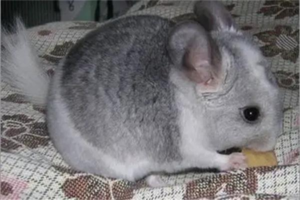
Why Chinchillas Urinate in the Wrong Place and What to Do
Chinchillas are clean and usually use one spot, so random urination points to marking, estrus, anxiety, food dislike, or a learned habit. The fix depends on the cause — more attention, separating sexes in heat, vinegar to erase scent marks, or adjusting the diet.

Why Parrots Suddenly Scream and How to Respond
Parrots scream for many reasons — natural dawn and dusk contact calls, attention, fright, learning new sounds, a broken routine, or a noisy room. Well-trained birds rarely shriek for no reason, so constant screaming signals a behavior, mood, or health problem; reward quiet, never reward the noise.

What Makes a Healthy Rabbit Diet?
A rabbit's gut is delicate, so a complete commercial pellet should form the base of the diet, supplemented with hay, washed vegetables, and fruit given in moderation. Avoid irritants, spoiled food, and toxic items like chocolate or moldy feed, and provide chews to keep teeth from overgrowing.

Chinchilla Buying Guide and Preparations for New Owners
Choosing a chinchilla comes down to appearance, temperament, health, and age — a thick soft coat, rounded face, clear eyes, dry nose, clean teeth, and a minimum of 3 months old are the signs to look for. Before bringing one home, set up a multi-level cage, cooling for hot weather, chinchilla dust for baths, proper pellets and hay, and a quiet night-time spot.

Do Hamsters Like Sunlight, and How Should You Let Them Sunbathe?
Hamsters are nocturnal burrowers that enjoy a little gentle sun but must never be left in harsh direct light or for long — doing so risks eye damage, heatstroke, and a ruined sleep cycle. Offer brief, shaded sunbathing in the cooler part of the day, keep it under an hour, and skip it for very young hamsters.

What New Parrot Owners Should Know: Advice for Beginners
New parrot owners should pick a species by interactivity, trainability, and looks, then focus on hygiene, safety, gentle handling, and steady learning. Avoid overly strong or wild birds, keep the cage clean and hazard-free, and build trust through patient training.

What to Do When Your Dog Has Interdigital Dermatitis
Interdigital dermatitis — inflammation between the toes — comes from fungi, bacteria, or mites and rarely heals on its own, so treat it early. Mild cases need clean, dry paws; worse ones need soaking, draining, and a pet wound spray. Prevention is mostly about keeping the feet dry, trimming paw fur, and not caging the dog on wet bars.