Search Results
1563 results for “cage size”

Rabbit Cannibalism of Kits: Causes and Prevention
Cannibalism of kits is a metabolic and nutritional disorder that peaks right after kindling, driven by salt, calcium, protein, or B-vitamin gaps, thirst, fright, odd smells, or poor mothering. Signs are missing kits with blood in the box. Prevent with complete feed, ample water, no handling of kits, quiet surroundings, and isolating the doe if she has the habit.

Rabbit Louse Infestation: Signs and Treatment
Rabbit pediculosis is caused by the rabbit blood-sucking louse (Haemodipsus), spread by contact, that bites and itches the skin, causing restlessness, weight loss, and poor coats, worst in kits. Spot the lice and yellow eggs at the fur base; treat with ivermectin injection or coumaphos/trichlorfon/fenvalerate washes, and prevent by quarantine, cleaning, and routine deworming.

How to Improve the Survival Rate of Young Rabbits
Weaned rabbits under three months old have the lowest survival rate of any age group, with more than half of deaths caused by digestive disorders. Boost survival by minimizing stress during the transition, keeping a calm and clean environment, feeding small frequent meals of digestible high-fiber pellets, and following a strict vaccination and coccidiosis-prevention program.
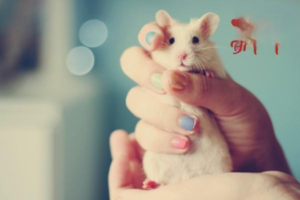
Caring for a Roborovski Hamster
The Roborovski (or 'father' dwarf hamster) is tiny and timid, so it needs a warm acrylic cage, a calm adjustment period, and a varied but careful diet — avoid loquat, peach and spicy food. Watch for cheek-pouch inflammation and clean the scent gland regularly.

Common Parrot Eye Diseases and Treatment
Parrots commonly face keratitis, conjunctivitis, and cataracts. Keratitis ranges from surface scratches (tearing, light sensitivity) to deep or penetrating wounds threatening sight, treated by removing debris and antibiotic drops in dim light. Conjunctivitis from injury, vitamin lack, or infection needs boric-acid rinses and chloramphenicol; cataracts need surgery, so prevent with good hygiene and peace.

Rabbit Stress: Causes, Signs, and How to Avoid It
Rabbits are timid and sharp-eared, so strong or repeated shocks can stress them severely, even fatally. Causes include changed water or feed, weather, noise, light, moves, and strangers; signs are raised pulse and breathing, restlessness or hiding, refusing food, and does crushing or rejecting kits. Avoid stress with steady routines, fixed light, temperature control, quiet, and gradual feed changes.

Preventing and Treating Yellow-Urine Disease in Baby Rabbits
Yellow-urine disease is acute enteritis in nursing kits under 7 days old, caused by Staphylococcus toxins from a mother's mastitis passed through her milk; signs include yellow watery stools, weakness, and a fishy smell. Prevent it with a clean dry nest, managed milk flow in the doe, and early mastitis treatment, and treat affected kits with gentamicin drops.

Rabbit Hairball Disease: Causes and Treatment
Hairball disease, common in long-haired rabbits, comes from swallowing too much fur and blocks the gut with constipation, bloating, and sometimes death. Causes range from cramped cages and poor diet to vitamin or mineral gaps and skin disease. Prevent it with full-ratio feed, isolation of fur-eaters, and regular grooming; treat with vegetable oil and enzyme tablets to pass the mass.

Preventing and Treating Rabbit Pasteurellosis
Pasteurella multocida lives quietly in the nasal and tonsillar tissue of many healthy rabbits and strikes only when stress or poor husbandry lowers resistance, spreading through secretions and contaminated feed or water. Control it with strict sanitation, regular vaccination, and prompt antibiotic or antiserum treatment.

Preventing and Treating Rabbit Bordetellosis
Rabbit bordetellosis, caused by Bordetella bronchiseptica, is a chronic respiratory infection that hits young rabbits hardest, especially in spring and autumn. Keep it out with closed-herd breeding, strict sanitation, and biannual vaccination, and treat outbreaks with isolation and Gram-negative antibiotics.