Search Results
1563 results for “cage size”
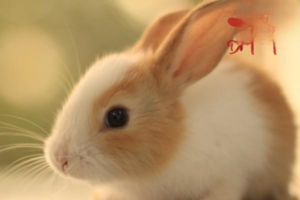
What to Do When a Rabbit Sheds Excessively
Heavy shedding has several causes. Seasonal molts (March–April, September–October) are normal — just groom daily. Diet lacking fiber or vitamins A/B causes shedding and fur-eating, fixed by balancing the feed. Fungal or parasitic infection brings dandruff and ring bald spots and needs a vet; bacterial dermatitis (Necrobacillus, Staphylococcus, Pseudomonas) needs the right antibiotic. Identify the cause before medicating.
How to Keep Rabbits Cool in Summer
Rabbits do best at 15–20°C and can die of heatstroke above that. In summer, keep water bowls/bottles filled, clip long-haired breeds short (not shaved), move cages to a breezy shady spot, dab the ears with water to cool them, and offer watery fruit and vegetables in moderation. Never aim a fan or AC directly at a rabbit — it causes colds, not cooling.

How to Wean Kits (Baby Rabbits)
Wean kits to let the doe recover and the young adapt: breeding/Angora/Rex at 30–40 days, meat rabbits at 28–35 days, or before 28 days under intensive 'blood mating'. Use one-time weaning for uniform litters and staged weaning for uneven ones, cut the doe's concentrates first to prevent mastitis, and keep kits in their original hutch 3–5 days post-weaning to reduce stress and losses.

How Environmental Factors Affect Meat Rabbit Fattening
A dim, quiet environment helps fatten meat rabbits: it suppresses sexual development, raises feed efficiency, calms the animals, and speeds weight gain — trials show rabbits in darker cages weigh 250–350 g more after six months. Because they get little sunlight, keep cages clean, disinfect often, and feed a complete diet rich in vitamins and minerals.

When Is the Best Time to Breed Rabbits
The best breeding time depends on the method. For natural mating, breed does at mid-to-late estrus (vulva bright red); for post-kindling 'blood mating', breed 1–2 days after birth; for AI, induce ovulation first and inseminate within 2–8 hours. Time of day also matters — cool parts of the day in summer, warm midday in winter.

How Long Do Holland Lop Rabbits Live? (And How to Care for Them)
Holland Lops are loved for their small size and cute looks, but they live shorter than average rabbits—usually 5–7 years. Good care (free roam, proper diet, health checks, clean housing) can extend that toward 10–12 years.

Can Rabbits Understand You? How to Interact with Your Rabbit
A rabbit's intelligence is like a 3-year-old child's, so it can learn simple commands through training. This guide explains how rabbits process human language and practical, patient ways to bond and play with them.

Rabbit Rhinitis: Symptoms and Treatment
Infectious rabbit rhinitis is usually triggered by temperature swings; young rabbits are hit hard with high death rates. This guide covers symptoms, when it strikes, and treatment plus prevention (isolation, penicillin/streptomycin, vaccines).

A Beginner’s Guide to Choosing a Chinchilla
Chinchillas are easy, cute pets, but pick a healthy, well-tempered one to avoid later trouble. This guide covers health checks, good conformation, temperament, and the best age to bring one home.

Why a Rabbit’s Foot Fur Turns Yellow and What to Do
Yellow fur on a rabbit's feet is usually urine staining, but it can also signal poor nutrition or a normal molt. Left uncleaned, urine corrodes the skin and causes sores — here's how to find the cause and fix it.