Search Results
1563 results for “cage size”

Is It Necessary to Bathe a Hamster
Normally you don't need to bathe a hamster — they self-clean with dust bath sand and can die from water baths. Bathe only when fur is contaminated with toxins or sticky matter. The step-by-step method uses near-room-temperature water, unscented pet shampoo, gentle wiping away from the face, and a warm, dry recovery.

How to Bathe a Hamster
Normal hamsters don't need baths — water strips their natural oils and risks their health. Odor usually means a dirty cage (clean it weekly) or, occasionally, a female in heat. Use dust bath sand for routine cleaning; only use water for dangerous contaminants like toxins or sticky substances, following a careful step-by-step method.

How Long Do Hamsters Live and What Are the Signs of Dying
A hamster's average lifespan is about two years (Roborovski up to 3–3.5), shaped by breed, genetics, diet, housing, and health. Lifespan factors include solitary housing and prompt treatment of illness. Before death a hamster shows a hunched back, rapid weight loss, and severe hair loss — prepare yourself and care for them gently.

Common Causes of Hair Loss in Hamsters
Hamster hair loss has many causes beyond normal shedding: old age, low dietary protein, skin friction in the cage, seasonal molting, over-grooming, pregnancy, and hormonal imbalance (including male-pattern baldness from excess testosterone). Identifying the cause lets owners apply the right fix.

Pudding Hamster Behavior and How to Care for Them
Pudding hamsters are gentle but timid — the easiest breed to bully — and are food-loving, sleepy, and low-energy, which is why most stay plump. Caring for them means avoiding human food, direct sun, and water baths, keeping them solo or same-sex, and following rules on diet, bedding, and clean drinking water.
What to Do When a Hamster Is ‘Overheated’, and How to Cool It
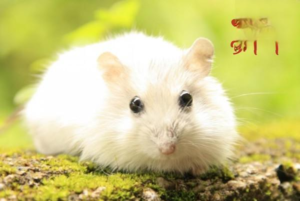
A hamster gets 'overheated' (shanghuo) mainly from too many dry, rich treats — mealworms and sunflower seeds — and too little water. Cool it by cutting mealworms to 3–4 a week, pausing seeds, offering more cooled boiled water, and adding light chrysanthemum tea, cooked mung beans, or washed fresh produce. Prevention is sensible feeding and constant clean water.

Common Mistakes in Hamster Care
Common hamster care mistakes: housing hamsters together (they're solitary and will fight or over-breed), putting them in direct sun (heatstroke), bathing them (risky — use bath sand), feeding human food (additives overload them), giving untreated tap water (chlorine poison — boil and cool), using newspaper as bedding (inky, poor), and giving too little space. Read on to raise yours safely.

How to Design a Good Home for a Hamster
Build the cage around your hamster's own habits. Put the toilet where it naturally goes (wild hamsters toilet away from the nest), sized right and made of ceramic or acrylic so it can't be chewed. Keep rest and feeding areas separate, add more toilets if it uses several corners, and put cat litter in the toilet at about 2 cm depth for easy cleaning. Watch for habit changes and clean promptly.
How to Care for an Elderly Hamster
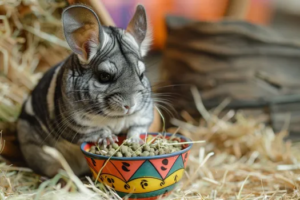
As hamsters age their teeth weaken and stamina drops, so care must adapt: switch to soft food (soak the lab block, add egg white, oatmeal, carrot, cucumber) but keep some hard block so teeth don't overgrow; use a single-level cage with the wheel kept; house the senior alone to avoid bullying; and give it more attention for a comfortable old age.

What Are a Rabbit’s Living Habits and Traits
Rabbits are timid, nocturnal, dry-loving, solitary chewers that eat only plants. They rest by day and eat 70%+ of their food at night, cool mainly by breathing so they need dry 14–20°C housing, fight if caged together, gnaw constantly to wear down open-rooted incisors, and must never be fed meat. A common myth is that they need no water — they do, in moderation.