Search Results
607 results for “bone health”

What Happens If a Dog Rarely Gets Sunlight?
A dog that rarely sees sunlight can develop health problems, including calcium deficiency that leads to poor bone growth, weak legs, unsteady walking, and even leg or spinal deformity. Lack of light also lowers skin resistance and makes skin disease more likely. Owners should let dogs sunbathe moderately, while avoiding too much exposure that could cause sunburn or heatstroke. This article explains the risks of too little sun, the real benefits of sunlight, and how to sun your dog safely.

Are Teacup Dogs Easy to Care For?
Teacup dogs win fans with their tiny, cute looks and gentle nature, but they're fragile and low-immunity, so they need careful, attentive care. They're sensitive to temperature, so dress them warmly in cold weather, and keep up daily grooming—eye-stain cleaning and coat brushing—to stay clean. Feed a high-quality diet sized to them in controlled amounts to avoid obesity. Though small, their health needs are real: regular vet checks, vaccinations, and deworming are essential. With patience and the right know-how, they bring plenty of joy.
100 Essential Tips Every New Cat Owner Should Know
Bringing home a first kitten is exciting but daunting, and poor care can hurt both of you. These 100 essentials cover diet (life-stage food, toxic grapes/chocolate/onion/garlic, no bones or raw meat, fresh water), daily care (brushing, nail and ear cleaning, litter hygiene, n+1 boxes), health (vaccines at 8–12 weeks, deworming, normal temperature 38–39.2°C, spay/neuter, no human meds), behavior (slow blinks, tail talk, no punishment), and home safety (screens, hiding wires, toxic plants, no smoke). Read them once and you'll share a calmer, healthier life with your cat.
Does Your Dog Really Need Monthly Deworming? (Avoid One-Size-Fits-All)
Deworming frequency should follow the dog's age, health, and lifestyle, not a rigid monthly rule—dewormers are broken down by the liver and kidneys, and overuse burdens the body. Puppies start at 45 days and go monthly until 6 months; after that, internal deworming drops to every 3 months while external stays monthly. The schedule is flexible: a mostly-indoor dog in the cold season, when fleas and ticks breed less, can be treated less often, and a sick, pregnant, or senior dog may need a pause or lower frequency. Match the plan to real risk.

What to Do When Your Dog Has Intestinal Scratches
Intestinal scratches in dogs are most often caused by swallowing sharp foreign objects such as glass shards, fish bones, or bone fragments. These items can lacerate the intestinal wall and lead to bleeding and infection. If you suspect your dog has an injured intestine, stay calm and take it to a veterinary clinic for examination and treatment as soon as possible. Mild scratches without a retained object may only require anti-inflammatory medication to prevent infection, while cases involving a foreign body need the object removed before further treatment. This article explains the common causes, warning signs, treatment options, and everyday prevention measures so you can act quickly and protect your dog's digestive health.
Dog Gastroenteritis with Bloody Stool: A Recovery Case
A 5-year-old dog passed soft stool with a little blood at the end for nearly a week, yet kept a good appetite and energy—pointing to chronic enteritis or gut overload rather than a severe acute illness. With gut-protecting, antibiotic, and probiotic support plus a bland diet, the stool normalized within a day. The case shows how diet and the right care heal a fragile gut.

Can Cats Eat a Vegetarian Diet Long-Term?
A long-term vegetarian diet is not safe for cats and can seriously harm their health. Cats are obligate carnivores whose digestive systems are built to process meat, and they need nutrients—above all taurine—that only animal protein supplies. Without meat, cats develop nutritional imbalances, poor coats, weak immunity, diarrhea, and vomiting, plus shortages of vitamin A, D, calcium, and phosphorus that hurt vision and bones. For your cat's health, feed a science-based diet with enough animal protein.

What Happens If a Hamster Doesn’t Get Enough Exercise?
Hamsters need to move, and too little exercise hurts them. Regular activity keeps a healthy weight and body condition, supports the heart, and strengthens immunity so illness is less likely. Without it, a hamster gains weight and becomes obese, burdening joints and organs and making it sluggish. Boredom breeds abnormal behavior—cage-chewing and even self-injury. Over time, muscles weaken and bones thin, raising the risk of fractures. Give a roomy cage, a wheel and climbing toys, and safe supervised free-roam time so your hamster stays fit and happy.
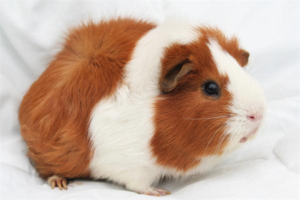
How to Supplement a Pregnant Guinea Pig’s Diet
A pregnant guinea pig eats more—that is normal, as she adjusts her intake to feed the growing babies. But overfeeding risks oversized fetuses and a difficult birth, so balance matters. Aim for about 18% protein from quality sources (fish meal, meat-and-bone meal), plenty of calcium, phosphorus, zinc, and iron, and vitamins A, C, D, E, and K. Vary the feed to keep it fresh and appetizing, and raise the daily amount gradually—roughly 10% more in early pregnancy and 20% more later. Keep feed dry, fresh, and mold-free, and watch her appetite, mood, and droppings daily. Good nutrition and management are what produce healthy, lively pups.

What Are the Benefits of Sunbathing for Dogs?
Letting a dog bask in the sun in moderation is a simple way to boost its health and happiness. Sunlight helps the body make vitamin D, which drives calcium absorption and strong bones. It also acts like a natural antidepressant—easing stress, anxiety, and low mood while improving circulation and brain function. UV rays stimulate immune cells so the dog resists infections better, and mild exposure can calm skin inflammation, speed wound healing, and keep the coat shiny by reducing surface bacteria and parasites. The catch is moderation: too much sun, especially at midday, risks dehydration, heatstroke, and even skin cancer. Always offer shade and fresh water, and keep sessions short.