Search Results
607 results for “bone health”

Can a Rabbit Live on Grass Alone, Without Pellets?
Rabbits are herbivores, but hay alone isn't advised — a single grass can't meet all needs and leads to weight loss, weak immunity, and skin issues. Aim for 70–80% hay (fiber + teeth wear), 5–10% pellets for balanced nutrition, and the rest fresh vegetables with a tiny bit of fruit.

Why Is My Dog Suddenly Limping with No Visible Injury?
Sudden limping without obvious wounds can come from a hairline fracture, ligament or muscle strain, arthritis, a slipped disc or pinched nerve, patellar dislocation (common in small breeds), or a calcium/vitamin deficiency. Keep the dog calm and rested, then see a vet for X-rays or imaging to find the exact cause.

The Benefits and Risks of Feeding Cats Liver
In moderation, liver supplies vitamin A, B vitamins, iron, protein, and taurine, boosts appetite and immunity, and helps prevent anemia — but too much causes vitamin A toxicity, calcium loss, obesity, and bleeding problems. Feed it cooked, at most once a week, and follow your vet's advice for sick cats.

What’s the Difference Between Cat Food and Dog Food?
Cat and dog foods differ in ingredients, nutrition, texture, and purpose. Cat food is richer in animal protein and contains taurine, which dogs don't need; feeding a cat dog food long-term causes malnutrition, poor coat, and taurine-deficiency heart and eye damage. Always feed species-appropriate food.

What Causes Periodontitis in Cats?
Poor oral hygiene and a wet-food diet are the main drivers of feline periodontitis: leftover food turns into plaque and tartar that inflame the gum and deeper tissues. Brush regularly, feed tooth-friendly dry food, and for mild cases try at-home care such as saline rinses and an antibacterial oral spray.
A Detailed Cat Weight-Loss Plan
A healthy house cat weighs about 3.5–5.5 kg; over 6 kg (except large breeds like Maine Coon or Ragdoll) means it's overweight and needs to slim down. Switch to a high-protein, low-fat, low-carb food and cut the daily total by 20%, repeating if needed once weight stabilizes. Boost activity with wand, laser, and feather toys to burn fat — but never slash food sharply, since long fasting can harm the gut or trigger fatty liver.
Honest Talk: Why a Labrador Retriever May Not Be the Right Dog for You
Labradors are among the most popular dogs, but they are highly excitable — they bolt, jump on people, and mature late, needing patient training over a longer time. Because they aren't aggressive and trust strangers, they can be led away if not watched. Adult Labs are true medium-energy sporting dogs needing at least 1.5 hours of hard exercise daily, so they don't suit owners short on walk time. They're also prone to hip and elbow dysplasia, inherited cataracts, and obesity — be prepared.
How to Clip a Parrot’s Flight Feathers Safely
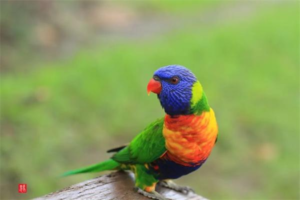
Clipping a parrot's flight feathers lets it fly safely in a small space without escaping—protecting both bird and owner while preserving some flight ability. It is a skill that needs patience and practice to avoid injury. The key is to trim only the outer flight feathers (never the down feathers or blood-filled shafts), keep both wings symmetrical, and cut about half to two-thirds at a 90-degree angle. Done calmly on a relaxed, well-fed bird and finished with a gentle antiseptic, feather clipping is a safe, optional management tool.

How to Choose the Right Hamster Food
Choosing hamster food comes down to a few key points. Favor reputable commercial brands with good palatability and processing, and pick a mix of formulated pellets plus natural grains for balanced nutrition. Check the label: protein around 15–20% (higher for pups), crude fat near 6%, crude fiber 8–10%, and a calcium-to-phosphorus ratio of about 1:1 to 2:1. Always check production dates and store food dry and away from sunlight. Finally, match the formula to your hamster's life stage—pups, adults, and seniors have different needs, and special formulas exist for conditions like diabetes or coat health.

What to Feed a Cat With Anemia
Anemic cats benefit from iron- and protein-rich foods, red meats such as beef, lamb, and salmon, organ meats like chicken, duck, or pork liver, and seafood such as tuna, shrimp, and mackerel, plus vitamin B12 and folic acid to support red-blood-cell production. For severe anemia, vet-prescribed iron supplements or liver-support tonics may be needed.