Search Results
607 results for “bone health”

Precautions for Walking Your Dog
Dogs need outdoor exercise, but it must be moderate. Three habits to avoid: walking right after a meal, making your dog jump obstacles, and using stairs as exercise. After exercise, clean the paws, and in summer offer water often to prevent heatstroke.

Why Does My Cat Always Lie Down? Understanding Feline Arthritis
If your cat spends most of its time lying down, walks with a limp, or refuses to be touched on the hind legs, it may be suffering from arthritis—a condition that affects up to 90% of cats as they age. Arthritis is the inflammation and degeneration of joint cartilage, most often secondary (degenerative) arthritis, which worsens as cats grow older. Cats are masters at hiding pain, so signs like reluctance to jump, reduced grooming, increased sleeping, and irritability can easily go unnoticed. Causes include aging, genetics, obesity, injury, and acromegaly. Treatment combines veterinarian-supervised medication (NSAIDs such as meloxicam), weight management with omega-3 and glucosamine supplements, and environmental adjustments like steps and soft bedding. Prevention starts with a healthy diet and keeping your cat lean.
What Causes a Dog to Retch or Dry-Heave?
A dog that keeps dry-heaving without producing vomit can be distressing to watch, yet the causes are often straightforward. Retching usually means the throat or stomach is irritated, and it can come from a foreign object, throat inflammation, parasites, indigestion, or simply too much excitement and exercise. Most cases are mild and improve with rest, fluids, and regular deworming, but some signal infection or an obstruction that needs a vet. Knowing the difference helps you respond calmly and give your dog relief before a small issue becomes a bigger one.
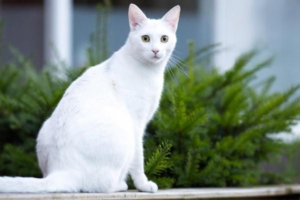
Recipe: Raw Beef Cat Meal
A raw beef cat meal is a balanced staple you can make in under five minutes. Dice 200 g beef tenderloin, 50 g beef heart, and 30 g beef liver, then mix in supplements — taurine, calcium carbonate, multivitamin, salmon oil, probiotics, and a vegetable/fruit puree (under 5% of the total) with alfalfa and kelp powder. Because this is a boneless "edited" raw diet, calcium is essential. Stir well with a little cooled boiled water and serve.
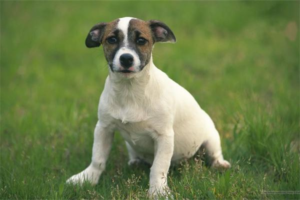
Why Is My Dog Walking Weakly or Lacking Energy?
A dog that suddenly walks weakly or seems unable to move may be showing signs of an underlying problem. Common causes range from simple fatigue, hunger, thirst, low blood sugar, or calcium deficiency to musculoskeletal issues such as osteoporosis, fractures, sprains, or bone tumors. Other diseases—heart conditions, parasite infections, gastrointestinal disease, anemia, or viral infections—can also cause weakness. Because the cause can be minor or serious, have your dog examined by a veterinarian promptly; the vet can diagnose the issue accurately and recommend effective treatment, while proper diet, rest, and exercise help keep your dog healthy.

How Fat Is Too Fat for a Cat, and Does Meat Make Cats Fat?
Judging whether a cat is overweight comes down to body shape, not the number on a scale — breeds and builds differ, so compare body condition, not weight. Using a 1–10 body-condition score, you can feel the spine and ribs and watch the waistline: 1–2 is very thin, 5–6 ideal, 9–10 obese. A cat's saggy belly 'primordial pouch' is normal and not a sign of fat. As obligate carnivores, cats digest meat efficiently and grow lean and strong on it; what causes obesity is hard-to-digest, starchy, sugary food — not meat.

Why Human Food Is Bad for Cats and Dogs
Many foods that are fine for people can harm pets. Even a small amount of some items causes poisoning, and the seasonings and additives in human food put real strain on a cat or dog's kidneys. Over time this undermines health. Feeding people food also unbalances nutrition, adds excess salt and calories, and can make a pet refuse its own balanced diet. Cats in particular have a unique metabolism and need species-specific nutrition.

Dog Food Safety: Harmful Foods to Keep Away from Your Dog
A healthy dog starts with a safe, balanced diet. The single most important rule is to keep harmful foods out of your dog's bowl. Certain everyday items—sharp cooked bones, too much animal liver, onions and garlic, chocolate, and allergenic seafood—can damage your dog's digestive tract or even prove toxic. Cooked bones can tear the stomach or intestine; excess liver causes vitamin A poisoning; alliums trigger the destruction of red blood cells; chocolate's theobromine is dangerous in quantity; and seafood often sparks allergic diarrhea. Learning these common dietary taboos helps you protect your dog from acute poisoning, internal injury, and chronic health issues, and keeps mealtime both safe and nutritious.

Signs Your Cat Is Getting Older
Cats typically live around 15 years and are considered seniors at roughly seven or eight. As they age you may notice lower energy and longer sleep, a stronger dislike of cold, and a poorer appetite. Dental problems such as loose or missing teeth make eating harder, while slower movement and delayed reactions show declining mobility. Whitening fur around the muzzle and cloudy, dull eyes are also common. Recognizing these changes early lets you adjust daily care so your cat stays comfortable and healthy through its golden years.

Senior Dog Vision Fading? Foods That Protect the Eyes
Eye disease is common in dogs—conjunctivitis, keratitis, glaucoma, cataracts—and over half of dogs past ten develop cataracts. Diet can slow that decline. Vitamin A from liver and carrot supports night vision; antioxidants like lutein, vitamins C and E, and anthocyanins guard the retina; omega-3 from fish eases dryness. Avoid overdoing vitamin A or raw food, and get seniors checked yearly.