Search Results
228 results for “bone development”

Why Do Turtles Bask in the Sun?
Basking is a natural and necessary behavior for most turtles. Proper basking helps sterilize the shell, regulate body temperature, absorb calcium, and enhance shell coloration. Owners should provide a suitable basking spot and understand the precautions—avoid intense direct sun and limit basking time—so the turtle's health isn't harmed.
How many months is a one-year-old cat?
A one-year-old cat is 12 months old, about 15 in human years, and is considered an adult. Feed kitten food before one year for proper growth, then switch gradually to adult food, since staying on kitten food risks obesity and related diseases like diabetes and heart disease.

Why Doesn’t My Dog’s Ears Stand Up?
Whether a dog's ears stand up depends on breed genetics, age (many stand between 4–6 months), calcium and overall nutrition, health issues like ear mites or infection, and even bad sleeping posture or rough play. Floppy or upright, it's normal—focus on ear health, not appearance.

Early Signs of Osteochondrodysplasia in Scottish Fold Cats
Scottish Folds carry a genetic cartilage disorder (OCD); early signs include growing laziness, a stiff tail that won't bend or swish, odd hind-leg posture, long sits in strange poses, mood changes, and joint pain on touch (especially hind legs). There's no cure, but early care helps: vet checks, anti-inflammatory pain meds plus chondroitin/glucosamine/vitamin D, weight control, gentle exercise, and Omega-3. Any Fold will develop it — just at different ages and severity — so think carefully before breeding or buying.

Why Do Some Cats Get Less Cute as They Grow?
A cat's looks can change with genetics, normal growth, illness, poor nutrition, stress, or age. Some breeds — tuxedo, white, Siamese, orange tabby, and Sphynx — are especially prone to 'growing out' of their kitten cuteness, but good care and prompt vet visits protect both health and looks.

Why Is Your Poodle Suddenly Limping?
A Poodle that suddenly limps may have a sprain or strain from play, a fracture, a paw pierced by a foreign object, a joint problem such as hip dysplasia or arthritis, a nerve issue like a slipped disc or neuritis, or a diet so one-sided it lacks vitamins and minerals, weakening the joints and leg muscles. Because Poodles have fine bones and lively temperaments, injuries are common. Rest and a gentle check come first; if the limp persists or worsens, get an X-ray and targeted veterinary treatment.

Why Does Sunlight Help Dogs Absorb Calcium?
Strictly speaking, sunlight does not supply calcium directly; it triggers vitamin D synthesis in the body, which then promotes calcium absorption. A dog's skin contains 7-dehydrocholesterol that ultraviolet light converts into active vitamin D3. After further metabolism, vitamin D3 helps the intestines absorb and use calcium. So letting a dog sunbathe appropriately is a simple way to support its calcium needs alongside a balanced diet.
Everyday Habits That Seriously Harm Your Dog’s Joints
Joint disease in dogs is on the rise, and beyond obesity many overlooked daily habits do real damage. Slippery floors force dogs to grip hard and risk falls; bad exercise — long runs, sharp stops, jumping from heights — wears joints down; frequent stairs overload the knees, especially in long-backed breeds like Corgis; standing on hind legs for attention strains the spine; and overfeeding accelerates cartilage loss, particularly in large breeds with hip-dysplasia risk. Cold, damp floors stiffen joints and worsen pain. Watch for early signs — stiffness after rest, reluctance to jump, hind-leg dragging, pain when touched — and support joints with glucosamine and chondroitin.

When Do Ragdoll Cats Develop Cheek Jowls?
Ragdoll cats usually start developing cheek jowls at 6–8 months, though genetics set the exact timing and some begin earlier or later. Only males develop true jowls; it depends on inherited genes from the parents. Diet, exercise, and neutering also shape the result. To support healthy jowl development, feed plenty of protein, vitamins, and minerals, offer chewy or raw-meaty-bone snacks to build jaw muscles, keep the cat active, and time neutering until after the face fills out. Remember, not every Ragdoll will jowl—genes decide. If you have concerns, consult a veterinarian.
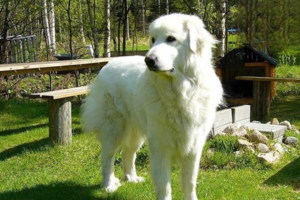
Free-Roam vs Crate: How to Raise Your Dog
Free-roam and crate raising each have pros and cons. Free-roam gives freedom, better socialization and fitness, but untrained dogs ignore commands, scavenge harmful food and may wreck furniture - and face the risk of being taken. A crate is a safe den that limits destruction and eases training and guest safety, but long-term caging can cause bone issues in growing pups and shy, poorly socialized adults. The right choice depends on your time and situation; many owners blend both, and neither is wrong.