Search Results
228 results for “bone development”

New Zealand Rabbit
The New Zealand Rabbit is a meat rabbit breed originally from the United States, now promoted worldwide. It is numerous, economically profitable, and highly adaptable to the environment. It is kept in large numbers in China's rural areas, with high meat yield and a large body.

Rex Rabbit
The Rex Rabbit, scientifically the Rex rabbit, is also called the Rex because its appearance and fur resemble a river otter. A fur rabbit breed famous in China and worldwide, it is a classic economic rabbit whether for production breeding or breed improvement.
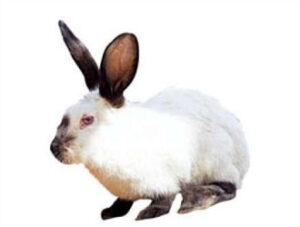
Californian Rabbit
The Californian Rabbit is a world-famous meat rabbit breed, developed artificially with stable genetics. It can be used for meat production or crossbred with other breeds, and is valued for disease resistance and fast growth.
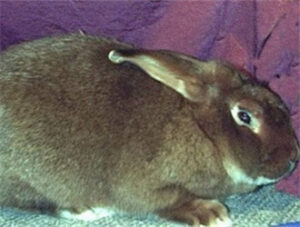
Satin Rabbit
The Satin Rabbit is a large meat rabbit with dense, satin-smooth fur, weighing around 5 kg. Though mainly a meat breed, its cute upright ears make it suitable as a pet too. Proper fattening before marketing maximizes its meat yield.
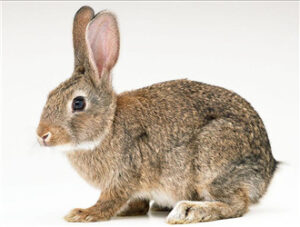
Belgian Rabbit
The Belgian Rabbit, also known as the Giant Gray Rabbit or Flemish Giant, is a famous meat rabbit breed originally from Belgium. With its large build, yellowish-brown coat, and high meat yield, it is mostly raised on farms in rural areas rather than kept as a pet.

Samoyed Care Tips by Life Stage
The Samoyed is called the 'smiling angel' for its constant smile. To keep one healthy, learn the right care, grooming, and training for each stage. Here are Samoyed care tips by age.
What happens if a 2-month-old dog eats adult dog food?
A 2-month-old eating adult food may cause: less nutrition than puppy food, leading to deficiency and poor development; a fragile puppy gut may get indigestion and diarrhea; and less calcium and phosphorus for bone growth, risking poor skeletal development. Feed proper puppy food chosen by growth stage.
How tall can a German Shepherd grow?
An adult German Shepherd is about 60-65 cm tall and 30-40 kg. It matures around 1 year but slows growth by 8 months when bones set; before 8 months give enough protein and calcium.
What happens if you overfeed puppy food?
Overfeeding adds excess energy and causes obesity, raising disease risk and hurting development. It overloads digestion, causing diarrhea and vomiting, and drives excessive growth that affects bones; long-term overfeeding raises bone-disease risk. Feed by weight, age and breed per package guidance.
How to Feed a Three-Month-Old Scottish Shepherd?
A three-month-old puppy needs puppy food fed 4-5 times daily with balanced protein, fat, calcium and vitamins. Always provide fresh water and start socialization and light exercise early.