Search Results
1199 results for “body temperature”

Why Is Your Goldfish Not Swimming Much?
A goldfish that won't swim may be overfed, or suffer from wrong temperature, poor water, or low oxygen. Keep water quality good and temperature steady to protect its health. This article covers the reasons for inactivity.

Red Arowana: Morphology and Color-Enhancement Tips
The red arowana's most distinctive feature is the red patch on its gill cover; juveniles are silver with pink scale edges and turn golden-red as adults. Color develops in stages and responds to environment, temperature (26–30°C) and diet — astaxanthin and carotene help, while young chili-red arowanas should avoid color-enhancing foods until their green base deepens.
How to Keep Goldfish: Methods and Precautions
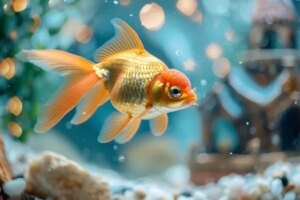
More people keep pet fish, and goldfish are a favorite — but beginners lacking experience often fail to keep them alive. Here are methods and tips to raise goldfish and improve survival, for new keepers.
Types of Goldfish: A Guide to Common Varieties
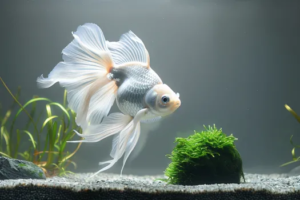
Goldfish have been bred into 300+ varieties grouped into four body types — grass, wen, dragon-eye, and egg. Each type includes familiar favorites such as comet, oranda, black moor, and ranchu, differing in fins, eyes, and head growths.

How to Tell Heatstroke and Wet Tail Apart in Hamsters
Both wet tail and heatstroke are serious and can be fatal in hamsters, and their symptoms look alike, so owners often mix them up and delay treatment. Here is how to tell the two apart.

Why Do Goldfish Lose Buoyancy (Swim Bladder)?
Lost buoyancy (swim bladder disorder) is a common goldfish disease many owners meet. Signs include the fish lying on its side or upside down, floating at the surface or sinking to the bottom. This article focuses on the common causes of swim bladder loss in goldfish.

How to Prevent Swim Bladder Disease in Ornamental Fish
Swim bladder disease is common in ornamental fish; prevent it by controlling temperature and water quality. Many cases follow water changes with big temperature gaps — keep new and old water within about 2°C. If a fish loses buoyancy, isolate it in shallow water with a little salt, feed less, and if needed add a buoyancy aid.

Causes and Treatment of Cellulitis in Dogs
Staphylococcus and streptococcus are the main bacteria behind cellulitis, though some cases come from mixed putrefactive infections and usually need surgical debridement. Here are the causes and treatments of canine cellulitis.

Why Are Blood Parrot Cichlids Prone to White Spot Disease?
Blood parrot cichlids mainly get white spot disease (ich) from Ichthyophthirius parasitism, with large temperature swings the top trigger. Failing to hold stable temperatures, or big gaps between new and old water when changing water, easily causes outbreaks. Beyond ich, gill rot, red-skin disease, and dropsy are also common — take preventive measures to reduce illness and deaths.

Easy-to-Keep Aquarium Fish for Beginners
Cheap, hardy beginner fish include guppies, comet goldfish, ryukin goldfish, bettas, swordtails, zebra danios, tiger barbs, dwarf parrot cichlids, and mollies. They are tough, easy to keep alive, and inexpensive — ideal for new aquarists. Guppies and comets are top picks for newcomers because they adapt well, aren't picky eaters, and look good. Keeping fish alive is easy; keeping them well takes effort, so learn and improve as you go.