Search Results
1199 results for “body temperature”
What happens to a Samoyed if it gets too hot?
A Samoyed that gets too hot may suffer heatstroke and dehydration, even death in severe cases. As a long-haired breed suited to temperate climates, it tolerates heat poorly. Long sun exposure or excessive exercise in heat can cause heatstroke — high temperature, headache, dizziness, fatigue, cramps. Without water for long, it may dehydrate, with dry mouth, reduced urine, dry eyes, and lowered skin elasticity.

Is My Cat’s Dry Nose a Sign of Illness?
A healthy cat's nose is cool, damp, and clean, but a dry nose is not always sickness. It can be sleep or a dry room. Only after ruling those out, with other symptoms, does it mean illness - then see a vet, do not self-medicate.
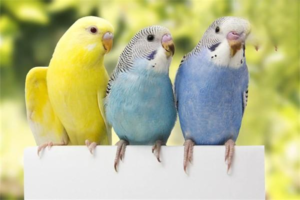
What Nutrients Do Parrots Need?
Parrots need ample nutrition to survive and breed—protein, fat, vitamins, carbs, minerals. Only with enough can they meet survival, growth, and breeding needs. Our team details the required nutrients and their roles.

What to Do When Your Cat Is Stressed in a New Environment
Cats feel insecure and are highly sensitive to changes around them. Moving to a new home or a new owner can trigger stress. Learn how to recognize the signs and help your cat settle in calmly.

Is My Chinchilla Dead If It Has Gone Stiff?
A chinchilla that suddenly goes stiff and motionless worries many owners, but stiffness is not always death. The common causes are low blood sugar, heatstroke, cold (entering a dormant state), and injury. Most are reversible with warmth, glucose water, cooling, or veterinary care—so check before assuming the worst.

What Should I Do If My Cat Eats Rat Poison?
After eating rat poison, a cat may develop a fever, lethargy, loss of appetite, and vomiting, or show internal and external bleeding such as nosebleeds, bloody vomit, bloody stool, or black tarry feces. Because the toxin can severely damage the liver and other organs, seek veterinary care immediately—if none is nearby, induce vomiting at home with hydrogen peroxide, then follow up with IV fluids and bloodwork.

What to Do When a Chinchilla Has Heatstroke
Chinchillas come from cold, dry, well-ventilated highlands, so they tolerate heat poorly and many die of heatstroke yearly. Cool them gradually and seek a vet promptly.

Chinchilla Heatstroke: Symptoms and First Aid
Chinchillas have dense fur and poor heat dissipation, so they overheat easily in summer. Symptoms: pink/red ears (visible veins), rapid breathing, drooling, lethargy, and in severe cases collapse or unconsciousness (fatal without quick care). First aid: move to 10–21°C cool air (open fridge door, never sealed; never bathe), cool the ears with a wet cloth or an ice pack wrapped in cloth moved around the body, give saline if conscious, and keep body temp near 37°C after recovery.
What are the symptoms of pneumonia in pythons?
Python pneumonia shows as difficulty breathing, coughing, fever, and loss of appetite. Caused by bacterial or viral infection, it can be fatal; early diagnosis and treatment are essential.
What does hamster hibernation look like?
Hamsters do not truly hibernate, but in low temperatures they may enter torpor, shown by a curled body, dropped temperature, and slow heartbeat. If this happens, warm it up at once to bring it out. Untreated torpor kills quickly, so keep the environment warm, especially in cold weather.