Search Results
1199 results for “body temperature”

Rosy-faced Lovebird
The Rosy-faced Lovebird is easily recognized by its head color, very similar to a peach. In the wild it often damages farmers' hard-grown crops, so it is driven away by local farmers.

Rhinelander
The Rhinelander is a pet rabbit breed that is not very common in China. Its distinctive trait is its 'tricolor' coat—a white base marked with two other colors. While such markings are common in cats, a rabbit with this look is certainly unique.

Crème D’Argent Rabbit
The Crème D'Argent (also called the Cream Rabbit) is an old French breed later introduced to and refined in the United States. Its dense cream-orange silver coat and coffee-colored eyes make it a distinctive, hardy pet rabbit.
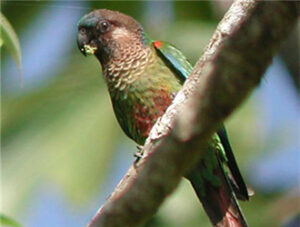
Painted Conure
The Painted Conure (Pyrrhura picta) has 9 subspecies and lives in forests and forest edges of Venezuela, Brazil, and neighboring countries, mostly around 600 m elevation. A small, attractive conure, it is a decent pet but sensitive to temperature changes and needs a clean environment and a varied, nutritious diet.

How to Care for Premature Puppies
Premature puppies are weak with low resistance and need careful, round-the-clock care to survive. This guide covers their health risks and the two pillars of care—proper feeding and warmth.

Highly Toxic Plants for Cats
Many common houseplants are deadly to cats — lily, azalea, sago palm, and cyclamen among them — causing kidney failure, heart problems, or death even in small amounts. Keep these plants out of any home with a cat.

Why Is Your Budgerigar (Budgie) Puffing Up Its Feathers?
Budgerigars puff up their feathers for several reasons — settling in to rest, preening, showing happiness, or signaling stress and illness. Here is what each behavior means and when to see a vet.

Why Chinchillas Get Heatstroke — and How to Prevent It
Chinchilla heatstroke comes from heat above 30°C, high humidity, heavy exercise, or dehydration. Mild cases droop and lose appetite; severe ones coma, arch the head, stiffen, and foam — and die fast. Keep the environment below 28°C with good ventilation and humidity control, avoid exercise and sun in heat, and always provide water. Indoors is safest.
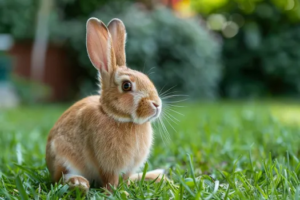
What to Do When a Rabbit Has Heatstroke
Rabbits overheat easily because of their thick coat and poor heat dissipation, and severe heatstroke can be fatal. Move a stricken rabbit to a cool, ventilated place, cool it with a damp towel, and prevent recurrence by keeping cages shaded, well-ventilated and supplied with plenty of water.
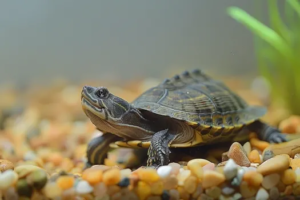
What Environment Suits a Pet Turtle?
Turtles are semi-aquatic, cold-blooded animals that breathe with lungs and live in lakes, ponds and rivers — active and feeding in water by day, foraging on shore at night, and very timid. Below 10°C they hibernate in mud or burrows until water rises above 15°C in April. They eat a wide diet (feed about 5% of body weight), and their color shifts with the habitat as natural camouflage.