Search Results
1199 results for “body temperature”

Trinidad Chevron Tarantula
The Trinidad chevron tarantula is a strikingly patterned arboreal spider from the rainforests of Trinidad and Tobago, known for its olive-green body, red-tipped legs, and bold black abdominal chevrons. Fast and somewhat defensive, it is better suited to experienced keepers.

Guangxi stripe-necked turtle
The Guangxi stripe-necked turtle is a rare, beautifully marked freshwater turtle endemic to Guangxi, China, long suspected—though never confirmed—to be a natural hybrid. In captivity it is an active, omnivorous species that enjoys warm water and is relatively easy for keepers to maintain.

Chinese False-eyed Turtle
The Chinese False-eyed Turtle (Mauremys pallidiceps) is a turtle endemic to China that favors clear, slow-moving streams with sandy bottoms and is sometimes found in farmland. Shy and largely carnivorous in captivity, it remains uncommon and is best kept with attention to water quality and a varied diet.
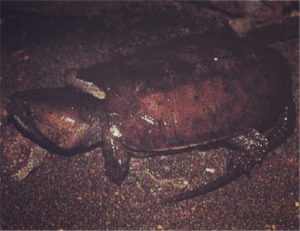
Burman Big-headed Turtle
The Burmese Big-headed Turtle (Platysternon megacephalum) is a subspecies of the beaked turtle found mainly in Myanmar and Vietnam, an aggressive carnivore that adapts fairly well to captivity. It mates in autumn and lays eggs from early summer, but its fierce temperament demands careful handling.
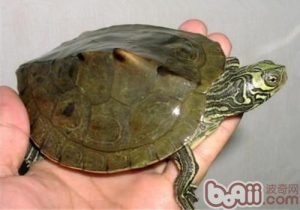
Barbour’s Map Turtle
Barbour's Map Turtle (Graptemys barbouri) is a strikingly marked map turtle from the river systems of the southeastern United States, resembling a painted turtle in form. Though widespread in the wild, it is uncommon in captivity, with the Mississippi map turtle being the most frequently kept of the group.

Madagascan Big-headed Side-necked Turtle
The Madagascan Big-headed Side-necked Turtle (Erymnochelys madagascariensis) is the sole member of its genus, endemic to the rivers and lakes of Madagascar. Listed as critically endangered and heavily exploited for food, it remains rare in the pet trade and its captive care requirements are not yet fully established.
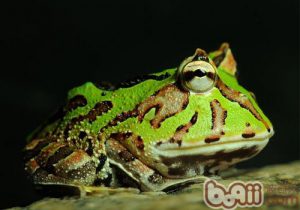
Cranwell’s Horned Frog
The Cranwell's horned frog (Ceratophrys cranwelli) is one of the most commonly kept horned frogs, native to South America. With its big body, short limbs, and warty skin, it is easy to keep and a great choice for beginners, though it must never be housed with other frogs.

Malayan Snail-eating Turtle
The Malayan snail-eating turtle (Malayemys subtrijuga) feeds on snails, freshwater mollusks, and crustaceans, which gives it its name. Native to Malaysia and surrounding regions, it is of moderate size but generally unsuited to home keeping.
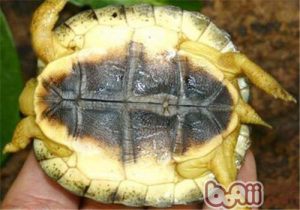
Furrowed Wood Turtle
The furrowed wood turtle (Rhinoclemmys areolata) is an aquatic, strong-swimming turtle from the Yucatán Peninsula. Omnivorous but plant-leaning in the wild, it is scarce in the pet trade and can be difficult to acquire.
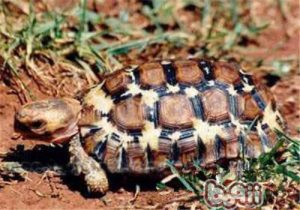
Lobatse Hingeback Tortoise
The Lobatse hingeback tortoise (Kinixys lobatsiana) is a relatively dry-adapted hingeback found in Botswana and South Africa. Though its range has two distinct rainy seasons, its habitat remains very hot overall, and it is seldom kept due to its rarity and similarity to other hingebacks.