Search Results
102 results for “bladder blockage”
How is feline cystitis treated?
Treatment depends on the cause. Bladder stones require dissolving or anti-inflammatory therapy, and possibly surgery if they block the urethra. Bacterial infections are treated with antibiotics like cephalosporins or amoxicillin-clavulanate plus diuretics. Idiopathic cystitis focuses on pain relief, anti-inflammation, and stress reduction, often with a prescription urinary diet.
What medicine should I give a kitten that drips urine while walking?
What medicine to give depends on the cause, so since symptoms are unclear, get a urinary and kidney check at a hospital. Dripping urine usually points to urinary disease: stones, crystals, cystitis, or infection. Most cases are partial blockage showing frequent, dribbling urine; early treatment avoids full blockage, which can burst the bladder and risk life. For infection, oral veterinary amoxicillin powder plus a diuretic at home helps; keep water up. A frightened kitten may drip from stress incontinence and needs only observation, no medicine.
How to tell if a cat has a urinary tract infection?
UTI signs include frequent urination, blood in urine, inappropriate urination, and straining, but other diseases share these symptoms. Diagnosis needs urinalysis, ultrasound, X-rays, and cultures. Risk rises after age 8.
How to Treat a Cat That Suddenly Urinates Frequently but Only a Little Each Time?
Frequent small urinations suggest urinary disease—commonly FIC, urethritis, bladder/urethral stones, prostatitis, or kidney disease. Before full blockage, get urinalysis and X-ray to check for stones; severe stones need surgery plus stone-dissolving, diuretic, and anti-inflammatory drugs. Pure lower-UT inflammation needs only diuretics and anti-inflammatories; encourage water intake.

How to Prevent Feline Idiopathic Cystitis (FIC)
Feline idiopathic cystitis is tied to stress, low water intake, and holding urine. Lower the risk by keeping the home environment stable and calm, encouraging drinking with fountains and wet food, and scooping and sanitizing the litter box in a quiet spot.

What Are the Dangers of a Dog Holding Its Urine Too Long?
Making a dog hold its urine too long can cause urinary crystals and stones, raise the risk of bladder infection (especially in females), and trigger prostate problems in males — sometimes leading to blockage, kidney failure, or blood in the urine. Meet the need promptly, and if you're often away, train indoor elimination.
How to Comfort a Cat After It Gets Scared
Move a scared cat to a quiet, enclosed space (a bedroom or carrier) with its familiar blanket and toys, close doors and curtains, and use a pheromone spray. After it settles, crouch about a meter away, offer a finger for it to sniff, then pet the forehead or chin. Keep the home calm for 24 hours. Watch for signs of true stress — not eating, vomiting, or straining to urinate — and see a vet if they appear.

Why Does a Male Cat Lick His Genitals?
A male cat may lick his genitals to clean himself, relieve stress, during mating season, or because of illness or infection. Grooming or seasonal behavior is usually harmless as long as the area stays clean, but if licking comes with other symptoms such as trouble urinating, it likely signals a medical problem that needs a vet.
Why Is My Dog in Pain When Urinating?
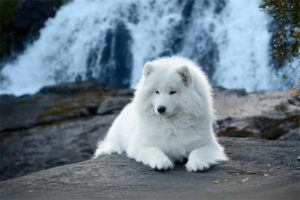
When a dog shows pain while urinating, the cause is usually a problem in the urinary tract, such as a urinary infection, bladder stones or crystals, or a blockage. Along with painful urination, you may notice frequent or urgent attempts to urinate, straining, reduced output, blood in the urine, cloudy or pus-like urine, or a complete inability to pass urine. Because these conditions can quickly become serious, any sign of painful urination means your dog should be seen by a veterinarian promptly. Diagnosis may involve urinalysis, X-rays, ultrasound, or other tests, and treatment is chosen according to severity, ranging from relieving a blockage and catheterization to medication or surgery.
Cats Evolved in Deserts But Still Need Water
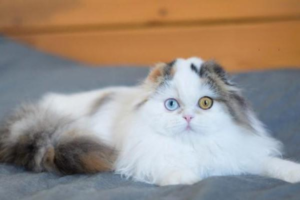
Wild cats get 70-80% of their water from prey, so a dry-kibble home cat that also refuses water faces real danger. A cat needs about 40-60 ml per kg of body weight daily (a 4 kg cat: 160-240 ml). Low intake concentrates urine and triggers a chain of trouble: bladder and urinary disease, kidney disease, cystitis, even life-threatening urethral blockage. Check dehydration by skin elasticity (slow rebound) or gums (sticky when dry). Boost intake with wet food, raw meat if skilled, a fountain for moving water, or a syringe; never give tap water - use cooled boiled or purified to avoid parasites.