Search Results
102 results for “bladder blockage”
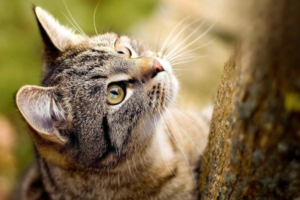
Diagnosing and Treating Feline Idiopathic Cystitis (FIC)
Feline idiopathic cystitis, or FIC, is a common lower-urinary-tract disease in cats whose exact cause is still unknown, yet it is the single most frequent diagnosis in young cats, affecting roughly 50 to 60 percent of cases. It is linked to a defective bladder lining, nerve-driven inflammation, and stress. Because there is no single definitive test, veterinarians diagnose it by exclusion, using the history, urinalysis, blood chemistry, and ultrasound. Most episodes ease on their own within five to seven days, but treatment focuses on pain relief, protecting the bladder lining, litter-box management, more water, prescription food, and reducing stress.

6 Common Cat Diseases and How to Prevent Them
Cats hide pain well and can't tell you what's wrong, so owners need a basic grasp of common feline illnesses. Beyond regular checkups and vaccines, know the warning signs of the six frequent problems: urinary tract disease, respiratory infection, periodontal disease, parasites, ringworm, and ear mites. This guide summarizes each condition's symptoms and the everyday prevention that matters most—more water, less stress, dental care, deworming, and a clean, dry environment.
My cat normally urinates fine but tonight couldn’t in the litter box, then peed on my bed — seems unable to hold it
These signs suggest urinary blockage, likely from a urinary tract issue (urethritis, cystitis, stones, kidney disease). This is an emergency — get to a vet quickly, as blockage can cause kidney failure fast.
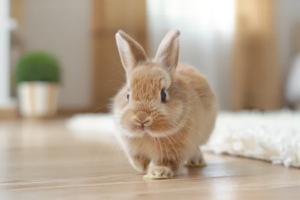
Common Urinary Tract Diseases in Rabbits
Rabbits often face urinary infections, urethral stones, and bladder stones, mostly from bacteria, low water intake, or too much calcium, while unspayed females are prone to uterine cancer. Infections show as incontinence and leaking; stones cause painful urination, blood, curling, teeth grinding, and can fully block the urethra. Bladder stones need fluid flushes and repair; urethral stones require surgery; uterine cancer needs tumor removal plus medication. Lower the risk by spaying early, keeping the habitat clean, ensuring ample water, and balancing the diet to avoid excess calcium.

Urolithiasis (Urinary Stones) in Dogs and Cats
Urolithiasis is the presence of stones anywhere in the urinary tract - kidneys, ureters, bladder, or urethra - causing painful, difficult urination and blood in the urine. It is linked to diet, low water intake, mineral imbalance, and infection. Diet change, medication, or surgery removes the stones.

Urethral Stenosis and Obstruction in Dogs and Cats
Urethral stenosis and obstruction occur when the urethra narrows or becomes blocked, preventing normal urination. Male dogs and cats are most at risk. A complete blockage is an emergency that can lead to bladder rupture, peritonitis, kidney failure, or uremia if not treated immediately.

Urethritis in Dogs and Cats
Urethritis is inflammation of the urethra that makes urination painful and frequent, with cloudy or blood-tinged urine in severe cases. It is usually caused by a bacterial infection ascending from the lower urinary tract. Veterinary treatment with antibiotics and supportive care resolves most cases.

Urethral Injury in Dogs and Cats
Urethral injury in dogs and cats is damage to the urethra from blunt force or trauma to the perineum and penis. Signs include penile swelling, difficult urination, perineal edema, and blood in urine; timely care prevents infection and complications such as urine leakage or bladder rupture.

Can Dogs Eat Lettuce?
Lettuce is about 90% water and contains fiber, vitamin C, and vitamin A. Dogs often enjoy its crunchy texture as a snack, but safety depends on the variety.

Diseases with Symptoms Similar to Feline Liver Failure
Liver failure is an abnormality that occurs when the liver is affected by impaired blood flow, reduced oxygen supply, hepatotoxic drugs or chemicals, excess heat, or infectious agents. Liver failure can occur in dogs and cats of all ages and breeds. It may affect multiple organ systems, including the liver and gallbladder, nervous system, gastrointestinal tract, and blood system. Affected pets may show various symptoms, including anorexia, lethargy, depression, vomiting, diarrhea, seizures, abdominal fluid accumulation, bleeding, and jaundice (yellowing of the skin).