Search Results
93 results for “bird diet”

Red-breasted Parakeet
The Red-breasted Parakeet (Psittacula alexandri), also called the Moustached Parakeet, is a common, green-plumaged pet parrot prized for its ability to mimic speech. Talking takes patient training, and sexes differ in beak and throat color. It needs a roomy cage or a tether, a varied diet, and an owner willing to invest time.

Yellow-crested Cockatoo
The Yellow-crested Cockatoo (Cacatua sulphurea), also called the Lesser Sulphur-crested Cockatoo, is a medium white parrot with a yellow crest. Prized for its looks, it has been heavily trapped and is now listed as Critically Endangered. Loud, social, and highly trainable, it needs a large cage, chew-proof toys, and an owner with real time to spare.

Leiothrix argentauris
The Leiothrix (xiang si niao, or 'lovebird' of the bird world) is a small, vivid-plumaged songbird kept in pairs. Two species are kept — the silver-eared mesia (Leiothrix argentauris, sweet call) and the red-billed leiothrix (bright red beak). Omnivorous and bath-loving, it needs fresh air, draft-free indoor housing, and a varied diet. Lifespan 4–5 years.

Angora Rabbit
The Angora Rabbit is the fluffy 'grass-mud rabbit' kept for its superfine wool (11 microns, finer than cashmere). Gentle but high-maintenance, it needs shearing every 3–4 months and constant hay to avoid deadly wool block (hairball impaction). Lifespan about 5–7 years.

Dutch Rabbit
The Dutch Rabbit is a small, distinctly marked pet rabbit with a white inverted-V on the face and a sharp color split between front and back. Gentle, smart, and nearly odorless, it needs timothy hay, a chew stick, steady 25–32°C, and a wire-free, dry cage. Lifespan about 5–7 years.

Rana clamitans
The bronze frog (Rana clamitans) is a North American frog species that feeds almost exclusively on live prey and thrives in ponds, streams, and marshes. Generally hardy and easy to keep, it requires clean water and a varied diet of insects and small aquatic animals.

Varanus giganteus
The Perentie (Varanus giganteus) is Australia's largest lizard, inhabiting arid grasslands where it uses its powerful hind legs and tail to sprint over short distances and scan its surroundings. A voracious and alert predator, it makes a demanding but rewarding challenge for experienced keepers.
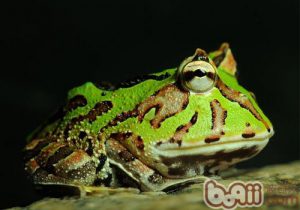
Cranwell’s Horned Frog
The Cranwell's horned frog (Ceratophrys cranwelli) is one of the most commonly kept horned frogs, native to South America. With its big body, short limbs, and warty skin, it is easy to keep and a great choice for beginners, though it must never be housed with other frogs.
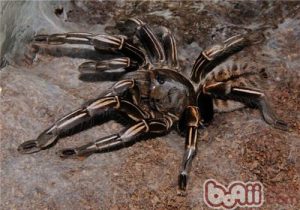
Haplopelma albostriatum
The Thai Zebra Leg Tarantula (Haplopelma albostriatum) is an inexpensive but aggressive burrowing spider from Thailand. Requiring deep, moist substrate and high humidity, it is best suited to experienced keepers who can respect its defensive temperament.

Crocodile Monitor
The Crocodile Monitor (Varanus salvadorii), also called Salvadori's monitor, is the world's longest lizard at about 5 m, a striking black-and-yellow arboreal monitor from Papua New Guinea. Powerful and potentially dangerous, it needs a large, tall, UVB-lit enclosure and is not for beginners.