Rana clamitans
2 Photo Gallery
View All 8 Photos
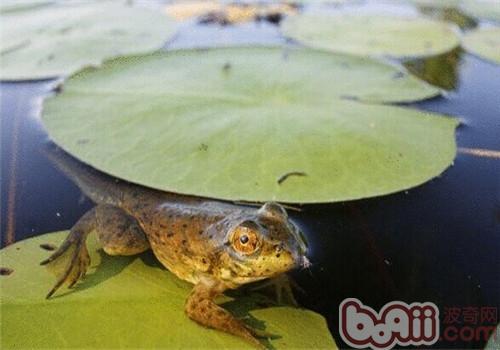
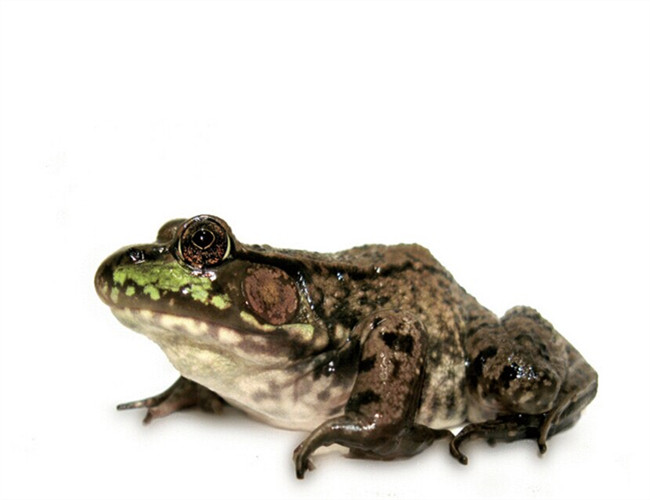
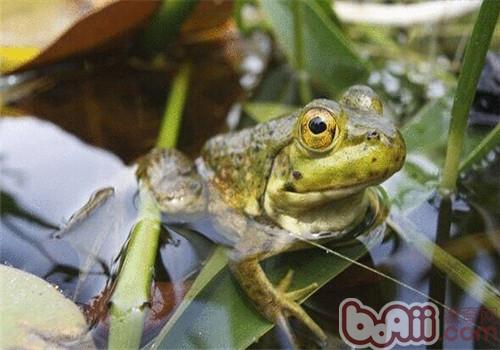
1 Overview
The bronze frog (Rana clamitans) is a frog from the United States; females are larger than males. It generally eats only live prey and will tackle almost anything that fits into its mouth.
Chinese name: Bronze frog
Latin name: Rana clamitans
Kingdom: Animalia
Family: Ranidae
Genus: Rana
Phylum: Chordata
Class: Amphibia
Order: Anura
Species: Rana clamitans
Distribution: United States
2 Physical Characteristics
Adult bronze frogs reach about 5–10 cm in length, with an ideal weight of 28–85 g. Females are larger than males. Coloration changes with the environment in which they grow.
Males have a prominent tympanum and a yellow throat; females have a white throat and a smaller tympanum. The dorsolateral ridges are prominent, contrasting with the ridge-less American bullfrog. Bronze frogs vary greatly in color, appearing bronze, brown, or light green depending on region. Some rare individuals are blue.
3 Habitat & Environment
Like all frogs, the bronze frog lives in water. Outdoors it is commonly found in shallow water or nearby small streams, rivers, marshes, ponds, and lakes. The abundant vegetation in these places supports healthy growth.
The bronze frog can also live in urban ponds. This species is mainly nocturnal and less alert than other frogs. Mature females are easiest to catch during the breeding season. When caught, they rarely give a warning call. Home keeping requires attention to the following points.
1. Change the water frequently.
2. Stocking density should be appropriate, about 20 frogs per square meter.
3. Feed on a regular schedule.
4. During spawning, keep frogs where water is abundant and avoid overcrowding.
5. Keep the water temperature suitable for egg hatching.
4 Care & Feeding
The bronze frog usually hunts at night and rests in a secure spot during the day. Frogs usually eat only live prey and will not eat dead animals—even a freshly dead insect placed in their mouth can be recognized as such; that is instinct. Of course, when starving they may eat dead food.
The bronze frog preys on anything that fits in its mouth, such as crickets, flies, fish, crayfish, shrimp, grasshoppers, small frogs, tadpoles, small snakes, birds, mollusks, moths, and even its own shed skin. Tadpoles eat algae and other aquatic plants.
The breeding season runs from April to July. Each female lays 3,000–10,000 eggs, which hatch into tadpoles after 3–7 days and metamorphose into frogs after about 3 months.