Search Results
1963 results for “behavior”
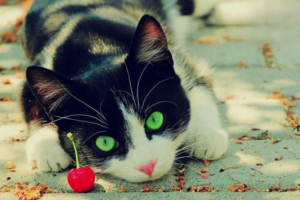
Why Is Your Cat Meowing So Much?
Frequent meowing is like a baby's cry—usually a need or a bid for security. Check the basics first: hunger (refill food), thirst (cats hate stale overnight water—change it daily, use cooled boiled or purified), a dirty or moved litter box, temperature (or tight clothing), and pest bites (time to deworm). Heat (intact cats, females ~6 months, males ~10) and illness or pain are next; do a one-minute body and stool check, and consult a vet if it persists. Some breeds (Devon Rex, Li Hua, Ocicat) are just chattier, and some cats learn that meowing earns treats—reward quiet instead.

The Secret in Your Dog’s Whiskers
We feel the world with our hands; dogs feel it through smell. But like us, they use more than one sense—and another is their whiskers. The thick hairs on a dog's muzzle, chin, and cheeks are vital: set deeper in the skin, they help the dog read the environment. Like human fingers, whiskers are highly sensitive; their follicles are packed with nerves and blood vessels, giving touch feedback straight to the brain faster than other routes. Studies show half the sensory region of a dog's brain connects directly to its whiskers. Whiskers also sense tiny air currents and vibrations—key to a dog's night vision. Some breeds use them like cats to judge if they fit through tight spaces, and in fights both dogs reflexively flick whiskers forward to threaten. Cutting whiskers does not impair spatial balance (despite the myth), but it does hurt—the follicles are full of nerves—so never cut them for looks.

Your Dog’s Pica (Eating Non-Food) Is Simpler Than You Think
Pica is when a dog eats non-food items. Some dogs fixate on one object; others eat all sorts of strange things. It is dangerous because what they swallow usually stays in the gut undigested or disrupts digestion. Pica is not the same as eating feces—that common behavior is not classified as pica and is no cause for alarm. Causes range from simple hunger, poor nutrition, and hormonal imbalance to diabetes, thyroid disease, and even separation anxiety or stress (some breeds like Labradors are more prone). Diagnosis needs blood, stool, and urine tests, with no guarantee of an answer. Treatment depends on the cause: physical pica with digestive upset may improve by splitting two large meals into 3–4 small ones plus deworming and nutrition; psychological pica needs patient, cumulative retraining. Above all, do not blindly dose supplements—every dog's pica has a different cause.

Why Do Dogs Love to Pee on Car Tires?
Many dog behaviors look strange to us, but behind them lies a consistent 'dog logic.' Adult male dogs lift a leg to urinate, and a car tire seems to magically draw them in to 'mark' it. Urine marks territory and tells other dogs 'I was here'—in short, dog urine is not just a territory tag but an ID card. A male dog urinates on vertical objects 97.6% of its life (fire hydrants, poles, tires) because that is where the 'ID' is best smelled by others, and scent lasts longer on vertical surfaces. Tires are ideal: they carry rich smells—animal feces, food scraps, trash. Once one dog marks a tire, others follow. To redirect this, reward the dog for sniffing without urinating, give it an alternative spot, and keep its attention on you near cars, using a 'leave it' cue with praise and treats until it learns.

Why Do Dogs Hate Delivery Couriers?
Many dog owners know the scene: whenever a delivery or takeout courier knocks, the family dog turns aggressive and may even attack the innocent visitor. Why does a knock at the door trigger such a loud, fierce reaction? The answer lies in a dog's territorial instinct. Before domestication, dogs strictly defended their territory, warning intruders by barking, then growling, then attacking. Early humans valued dogs precisely as living alarms. Today that instinct remains: when the courier knocks, the dog defends; when the courier leaves, the dog thinks it won. Next time the courier returns, the dog believes its earlier warning was too weak and escalates from bark to growl—and a perceived challenge can turn into a bite. To change this, reward calm behavior at the door with treats, teaching the dog that staying quiet near strangers earns a reward.
A Complete Guide to Pet Spay and Neuter Surgery
Spaying or neutering is one of the most responsible decisions a pet owner can make. For dogs and cats, the ideal window is around 6 to 8 months of age, ideally before the first heat cycle, which lowers the risk of reproductive diseases and unwanted behaviors. The procedure should only be performed on a healthy animal that is fully vaccinated, has adequate antibody levels, and is regularly dewormed. Once you choose a trusted veterinary clinic, you can book the surgery and share your pet's age, vaccination, and deworming history. The clinic will explain pre-operative fasting rules. This guide walks you through the timing, preparation, and the step-by-step process on the day of the operation so you know exactly what to expect.

How to Potty Train a French Bulldog
Potty training a French Bulldog starts by limiting freedom with a crate or pen and picking one fixed toilet spot, such as a bathroom corner or a quiet area. Lay down pee pads, let your Frenchie out on a schedule, and reward immediately when it goes on the pad — praise and a treat teach it that the pad means good things. A small pen enclosing just the pad narrows the choice at first, then expands as the habit forms, and comes away once training sticks. Consistency and timing are what make it work.

Training Your Cat to Understand ‘No’
Living with a cat, teaching a stop command matters more than teaching tricks—stopping bad behavior in the moment is the priority. Cats don't understand the English word 'No', but they read tone; through repetition they learn a firm word means 'don't'. The method is immediate interruption (within 2 seconds of the act), then reinforcing the lesson by ending play or withholding a treat, never hitting. This guide covers instant correction, consequence feedback, and what to do when a cat ignores or resists you.

What to Do If Your Dog or Cat Has Tapeworms
Many species of tapeworms parasitize dogs and cats, and the adult worms seriously harm their health, while the larval stages often use livestock or humans as intermediate hosts, threatening both animals and people. Common species include Dipylidium caninum, Taenia spp., Echinococcus granulosus, Mesocestoides, Spirometra mansoni, and Diphyllobothrium. Infection causes intestinal inflammation, malnutrition, and in severe cases intestinal blockage, with signs like vomiting, diarrhea, weight loss, and odd behavior. Diagnosis relies on clinical signs plus fecal egg exams. Prevention means regular deworming, not feeding raw offal, and controlling fleas. Treatment uses praziquantel (5 mg/kg dogs, 2 mg/kg cats), arecoline hydrobromide, bunamidine, or fenbendazole under veterinary guidance. Because some tapeworms (like Echinococcus) also endanger human health, prompt and correct control matters.

Why Does My Cat Always Lie Down? Understanding Feline Arthritis
If your cat spends most of its time lying down, walks with a limp, or refuses to be touched on the hind legs, it may be suffering from arthritis—a condition that affects up to 90% of cats as they age. Arthritis is the inflammation and degeneration of joint cartilage, most often secondary (degenerative) arthritis, which worsens as cats grow older. Cats are masters at hiding pain, so signs like reluctance to jump, reduced grooming, increased sleeping, and irritability can easily go unnoticed. Causes include aging, genetics, obesity, injury, and acromegaly. Treatment combines veterinarian-supervised medication (NSAIDs such as meloxicam), weight management with omega-3 and glucosamine supplements, and environmental adjustments like steps and soft bedding. Prevention starts with a healthy diet and keeping your cat lean.