Search Results
1963 results for “behavior”

A Sudden Lump Appears on Your Dog
You may have experienced this: a dog that was fine a moment ago suddenly sprouts a big lump. Understandably worrying—'is it cancer? a terminal disease? a bug bite?' Learn to judge the cause yourself. Reassurance first: most lumps are benign lipomas and not hard to manage. Causes include lipoma, sebaceous cyst, hematoma, and follicle infection. Many lumps appear and vanish quickly, but answer 7 questions before relaxing: appeared suddenly? slowly growing? smooth surface? uneven? moved recently? other lumps nearby? after it appeared, any appetite loss, lethargy, vomiting, diarrhea, or behavior change? More than 4 'yes' answers means see a vet at once. Urgent signs also include rapid growth, changing shape, very soft texture, hair loss around it, or color unlike skin. Treatment: benign lumps are not costly, but no vet can diagnose by feel alone—responsible ones aspirate tissue fluid and may run blood tests and X-rays, because accurate diagnosis needs multiple tests.

Why Does My Rabbit’s Nose Twitch Constantly?
A rabbit's nose may twitch frequently for many reasons—sniffing, breathing trouble, anxiety, or bacterial and parasite infections, even a nose injury. When the rabbit is calm or asleep, the twitching usually slows or stops. To protect your pet, provide a suitable environment, balanced diet, controlled temperature and humidity, and regular cleaning and disinfection to limit infection. If the twitching persists with a runny nose, injury, appetite loss, or lethargy, consult a veterinarian for a proper diagnosis and treatment plan.

How to Avoid Getting Scratched by Your Cat
The core idea is status: if the cat knows you rank above it, it accepts your rules. Trim nails to avoid accidental scratches—do it while the cat is calm, in a quiet room, ideally with a second person offering treats. Keep respect through feeding (don't overfill) and immediate, non-hand punishment for bad behavior. Keep physical and emotional distance during play, use a laser pointer, and train obedience so the cat follows your lead instead of attacking.

Is Choosing a “Good” Cat Really Necessary?
A cat's temperament comes from breed and from the individual. Ragdolls tend gentle; Chinese Li Hua are independent hunters. Even in one litter, the top kitten is confident and friendly while the outcast may be anxious and spray. Rather than chase a 'good' breed, socialize the cat young—expose it to people and things before three months so it grows up unfazed. Show extra care to outcast kittens, and for semi-feral or highly aggressive adults, keep a respectful distance and just provide food.

Do I Need a Vaccine After a Rabbit Bite?
Generally, you do not need a rabies vaccine after a rabbit bite. Rabies is carried mainly by dogs, cats, bats, and foxes, while rabbits are rodents with a very low chance of hosting the virus, so infection from a rabbit is unlikely. A tetanus shot may be worth considering for deep or large wounds, and a wild-rabbit bite should be checked at an infectious-disease clinic. Whatever the source, wash the wound promptly with warm water and mild soap, then disinfect with iodine or alcohol to prevent bacterial infection.

Why Dogs Get Puffed-Up Fur (Raised Hackles)
When a dog is angry, scared, or thrilled, the fur along its back may stand up—a reaction called piloerection, or 'raised hackles.' The fur around the neck is special: it has a strong self-restoring ability, so even after a long episode, it returns to normal once the dog calms; other body areas lack this. Some breeds show it more, some less, and the extent varies—neck only, neck-to-rump, or tail. A special muscle attached to the follicles pumps air between hairs to create the effect, and it is involuntary, part of instinct. The purpose is to look bigger, like cats, porcupines, and pufferfish. You can even read a dog's mindset from the pattern: a narrow band from neck to tail means confidence (and a higher chance of initiating attack); three-quarters of the neck raised means insecurity; neck and tail raised but the middle calm means confusion—the best moment to build trust.

Why Does My Dog Urinate in the House?
When a normally clean adult dog urinates indoors while you are out, scolding and punishment aren't the only responses to consider—why is your adult dog doing this? Puppies peeing inside is just the cost of dog ownership, so we focus on adults. Occasional accidents are normal ('nature calls'), but frequent, repeated indoor urination deserves attention, because it brings urine odor and possibly other problems. Medical causes: urinary disease (often a UTI causing random urination, usually treatable with medication); incontinence (dribbling or peeing while sleeping points to incontinence, treatable early with medication; large-area urination suggests something worse—see a vet); senior dogs (canine cognitive dysfunction makes them forget where they are, causing accidents). If your dog is healthy and not old, the cause is behavioral: intact males may mark after sexual maturity—normal—but a dog that never peed inside suddenly doing so may be stressed by household changes (a new member, a departure, new smelly or noisy objects). To change it: don't yell—catching the act in the moment matters, not the old puddle; remove or relocate the trigger; and clean thoroughly with an enzymatic cleaner that fully removes the odor so the dog doesn't remark the spot.
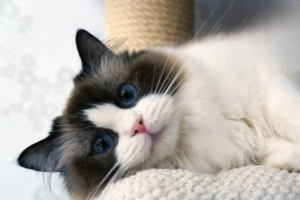
Why Your Cat’s Jaw Chatters at the Window
If your cat stares at a bird outside the window and starts a rapid jaw quiver with a soft clicking or chattering sound, that is the famous feline 'chatter.' It is a relic of the hunting sequence: in the wild a cat seizes prey by the neck and trembles its jaws to drive the teeth in quickly, and the sight of a bird or a mock-prey toy makes a house cat replay that instinct mentally. The behavior is normal and healthy — and a reminder that cats stay partly wild, so they need a daily outlet for their hunt.
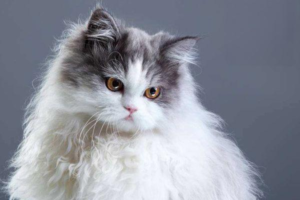
Why Cats Drink From the Foot Basin
It looks odd, but a cat eyeing the foot basin is usually acting on instinct rather than mischief. Two forces drive it: a strong pull toward fresh water, and outside stimulation. Cats trust running, wide-surface water more than a stale bowl, and the warmth and motion of a foot bath read as fresh and interesting. The steam and a moving foot also stir their curiosity and nose. The takeaway is that strange drinking habits signal an unmet need — cats are only partly domesticated, so the better fix is to meet the need than to fight the habit.

Why Cats Drink With Their Paws
Many owners are puzzled when a cat scoops water with a paw instead of lapping from the bowl, and wonder how to stop it. The habit usually points to something practical: a bowl so narrow it touches the whiskers, water sitting too low, a preference for moving water rooted in wild ancestry, fading eyesight in older cats, or a lack of security that makes the cat watch its surroundings while drinking. Once the real cause is fixed — a wider bowl, fresher water, a fountain — most cats drop the pawing. Gentle, consistent redirection does the rest.